
BY MARK A. LARSON
Editor & Publisher
Most Topps sets show the player’s position on the card front – either spelled out or abbreviated. For instance, “Pitcher” or “P,” “Catcher” or “C,” “Outfield” or “OF,” etc. It’s similar for managers … “Manager” or “MGR”.
However, in at least nine instances in the 1960s, ’70s and ’80s, more unique designations were used:
“HEAD COACH”
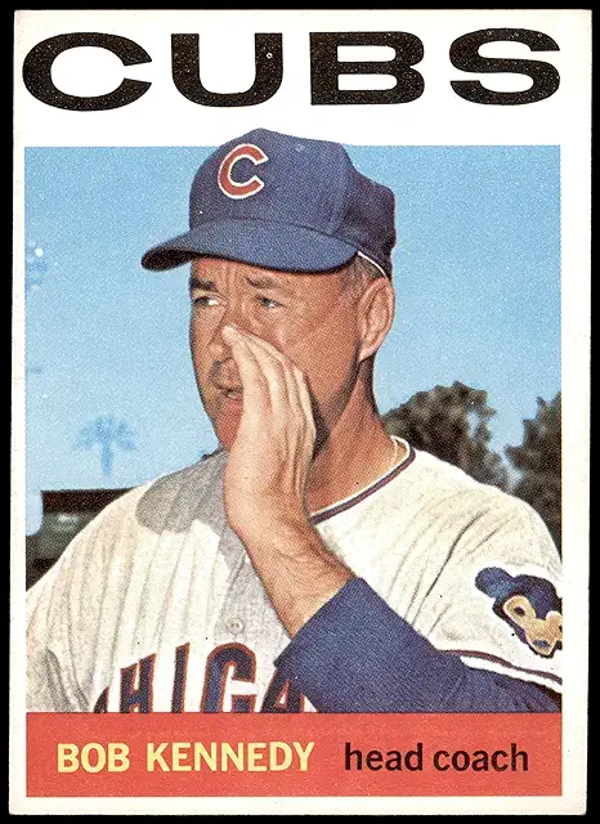
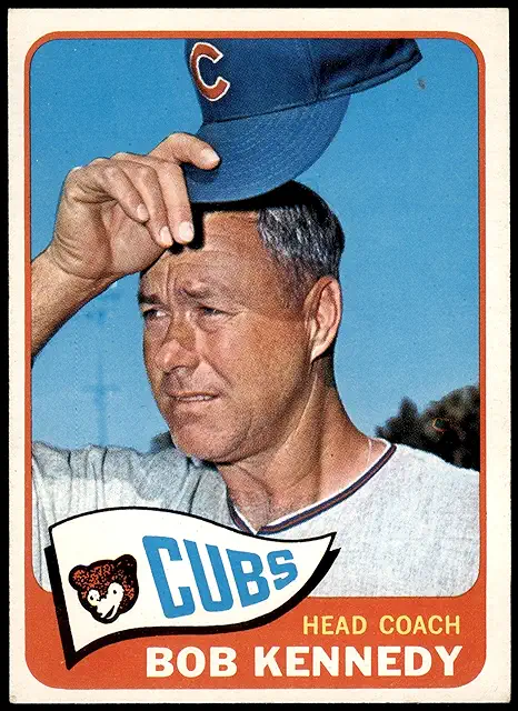
In the early ’60s, the Cubs experimented with a club leadership system that rotated their coaches into the position of “Head Coach” – in effect, a rotating manager. This chaotic system was a flop and was pretty much abandoned by the time Bob Kennedy took sole control of the club. The title was retained for a while which is why he was still shown as Chicago’s Head Coach on his 1964-65 Topps cards.
“CATCHER-COACH”
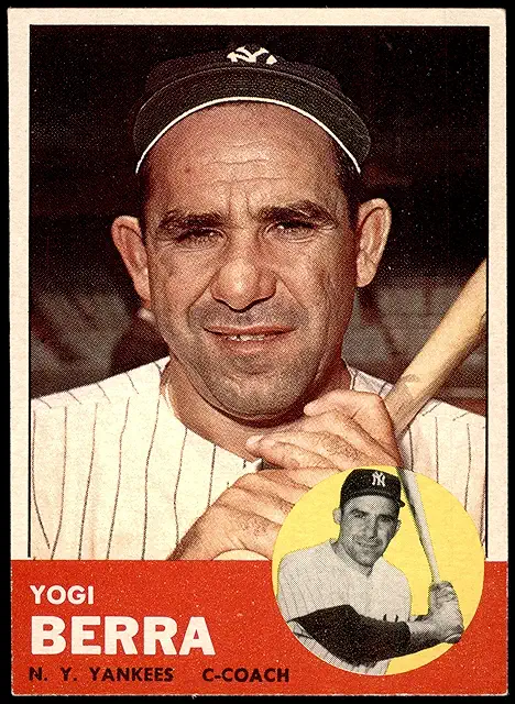
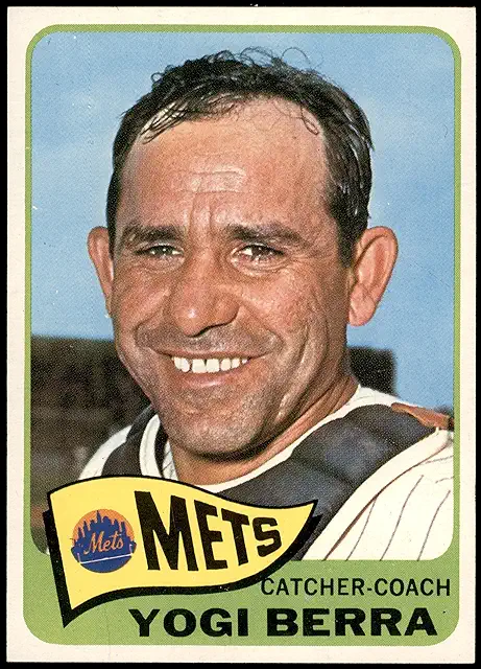
Yogi Berra’s playing days were basically over at the end of the 1963 season. He played in just 64 games and also served as the Yankees first base coach. He then became the team’s manager in 1964 … with no playing time at all. Although the Yanks won the pennant that year, Berra was fired after a World Series loss. The following season he ended up across town on the Mets’ coaching staff (also playing the final four games of his career).
“PITCHER-COACH”

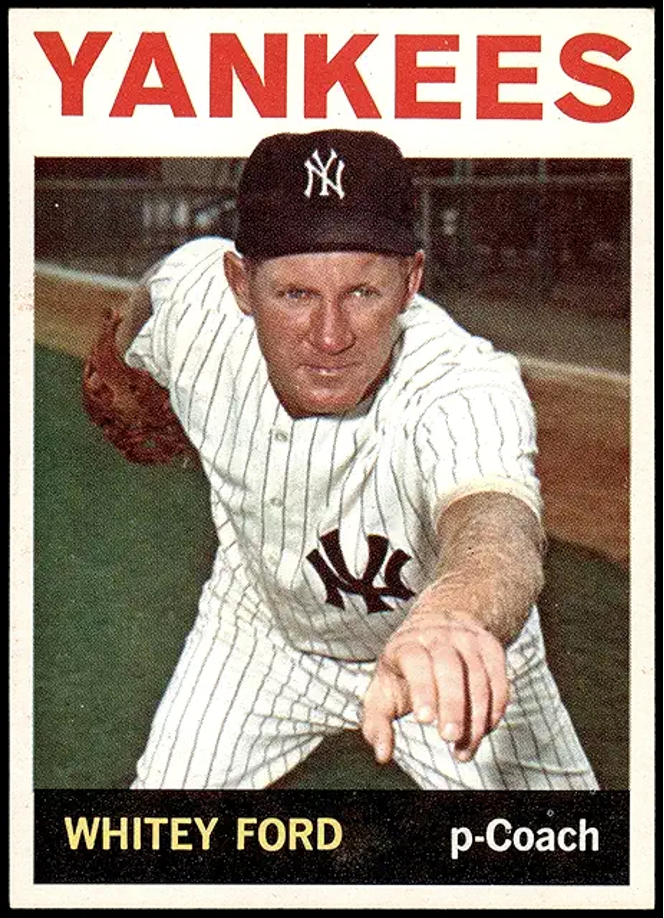
When Yogi Berra took over as Yankees’ skipper in 1964, he asked veteran All-Star Whitey Ford to be the team’s pitching coach. Ford was still a top hurler for the team, having posted a 24-7 record in 1963, including an ERA of just 2.74. After Berra was fired and New York hired Johnny Keane as their new manager for 1965, the southpaw gave up his role as pitching coach – but remained with the Yanks as part of their rotation.
“SECOND BASEMAN-COACH”
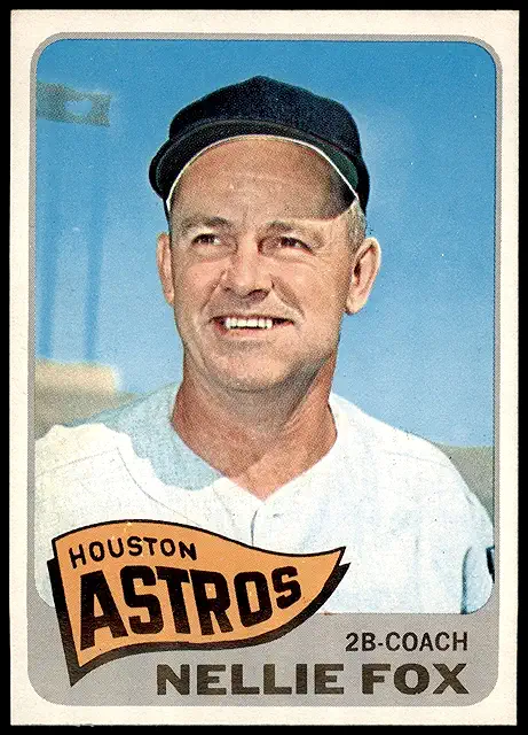
After 17 seasons in the majors, including the last 15 with the White Sox, second baseman Nellie Fox was traded to the Houston Colt .45s — soon to be Astros — in December 1963. The slick-fielding All-Star played nearly full-time for the Astros in 1964, but only appeared in 21 games in 1965 as the team transitioned to future Hall-of-Famer Joe Morgan at second base. Fox, who also became a member of the Hall, focused on full-time coaching duties from then on.
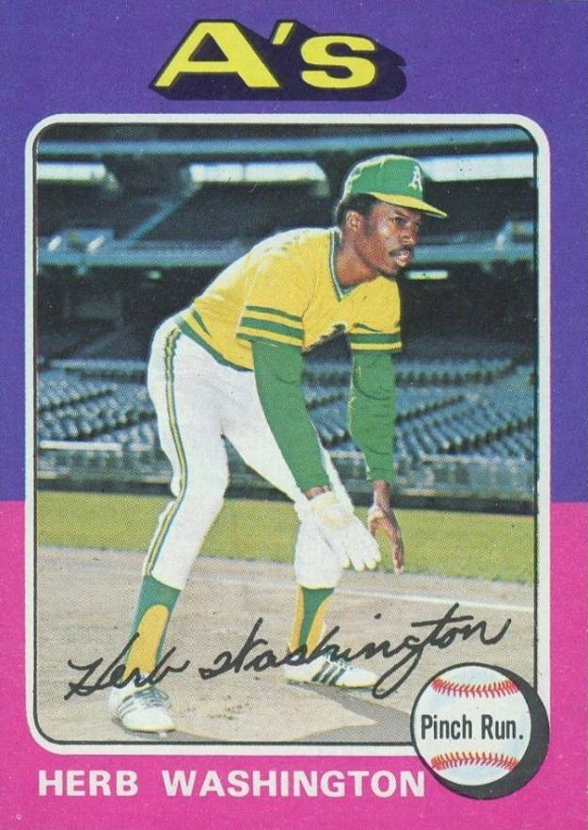
“PINCH RUNNER”
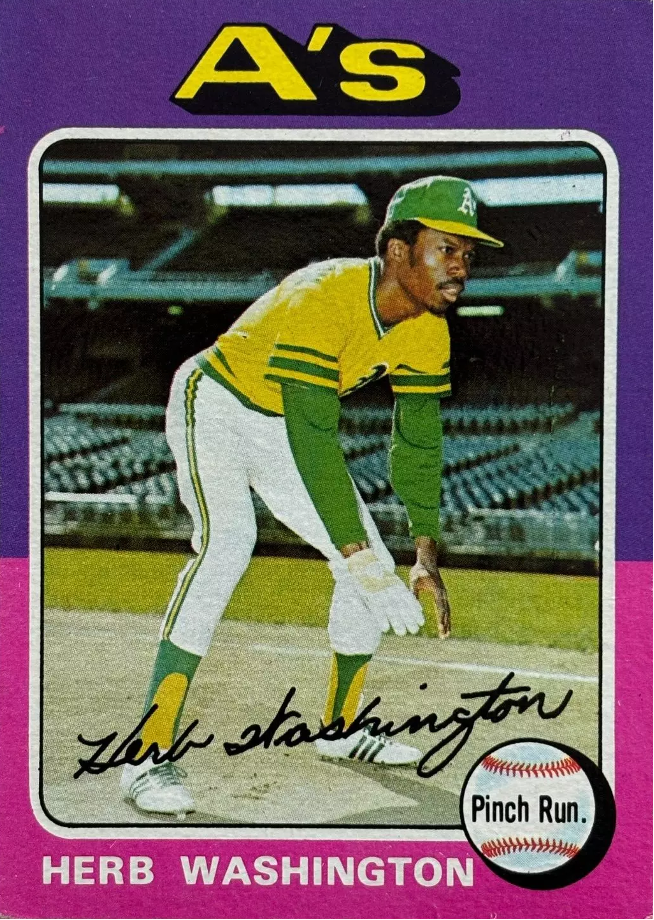
Lightning speed landed Herb Washington on the Oakland A’s roster in 1974. The club’s publicity-seeking owner, Charlie Finley, thought having a player who specialized in pinch-running would generate enough runs to offset zero defensive contributions and no plate appearances. He was wrong. … It turned out the trade-off wasn’t worth it.
“1B-MANAGER”
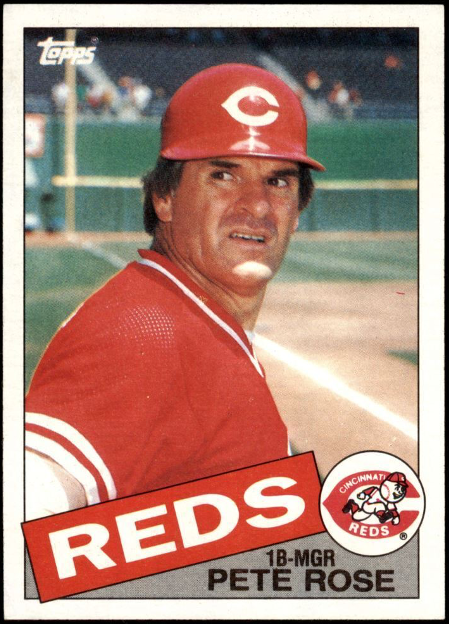
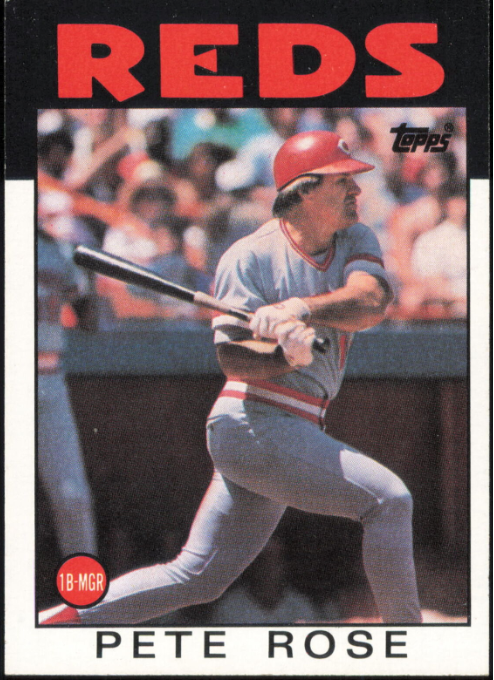
When Pete Rose was traded from the Montreal Expos to the Cincinnati Reds in Aug. 1984, he was still an active player. In addition to continuing his pursuit of Ty Cobb’s all-time hits record, Rose also took the reigns as manager of the Reds. He became the first combination player-manager in several years. And that designation was reflected on his next two Topps cards in 1985-86. (His last game as an active player was in ’86.)
• • • • • •
THIS ARTICLE WAS WRITTEN
EXCLUSIVELY FOR BaseballCardFun.com
• • •
Text Copyright © 2025 by BaseballCardFun.com / Mark A. Larson
No article appearing on this website may be reproduced without written consent of the Editor/Publisher
To keep up-to-date on additions to BaseballCardFun.com, subscribe below*
* Your email address will never be shared and is only used to announce new articles
 BaseballCardFun.com