
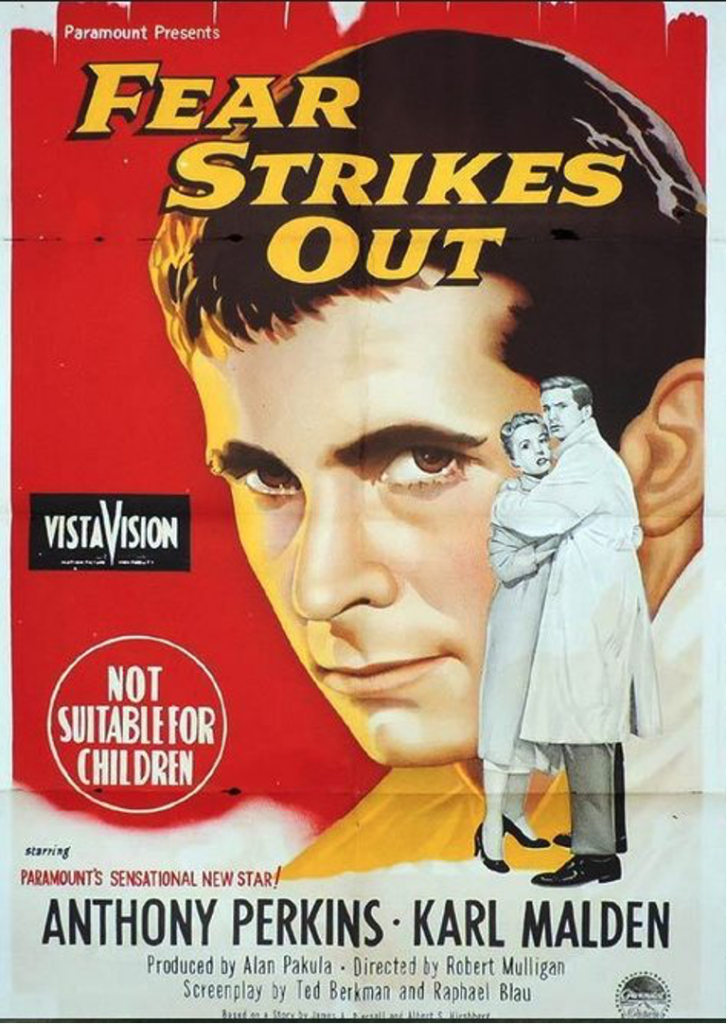
Starring: Anthony Perkins & Karl Malden (1957)


REVIEWED BY MARK A. LARSON
Editor & Publisher
“Wow! … I can’t believe Jimmy Piersall went beserk.”
That was my initial reaction when I first viewed “Fear Strikes Out” as a 10-year old in the late 1960s.
It was startling, scary and somewhat unsettling … yet intriguing at the same time. This was especially true at my young age and during a time when there was so much more to learn about mental illness, with a great stigma still surrounding it.
At the time, I collected cards and lived and breathed baseball. To a kid (at least back then), being a major league baseball player was the tops. What a deal: You got big bucks for playing ball. So to see this side of baseball – and life – was definitely an eye-opener.
The film was based on Piersall’s own life and his book of the same title. Although mostly joyless and gloomy throughout, the story ends on a somewhat hopeful note – which cushioned my initial reaction.
Early on in the movie, it was clear Jim (played by Anthony Perkins) was always trying to please his father (Karl Malden), but could never quite meet his expectations. Mr. Piersall once played on a factory baseball team and it is obvious he’s trying to live his unrealized dreams vicariously through Jim – wanting nothing less for him than to be a big leaguer with the Red Sox. Neither his father or mother (or even Jim himself) ever seem particularly happy.
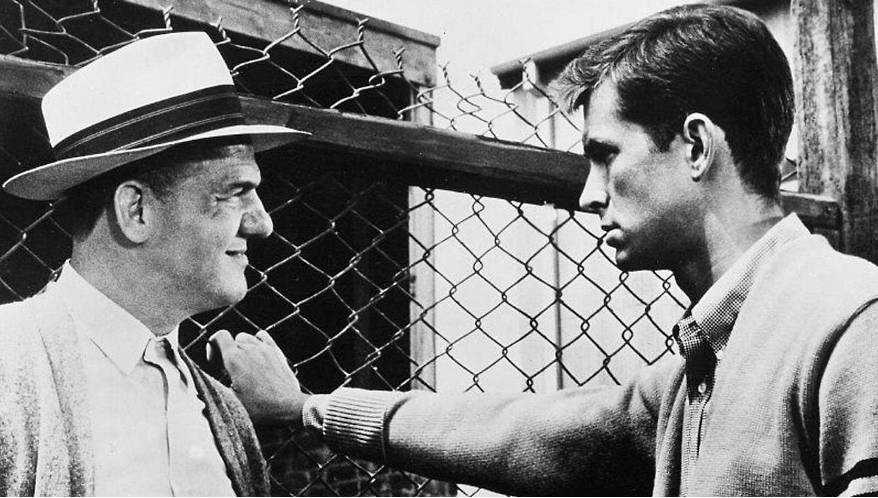
Karl Malden and Anthony Perkins
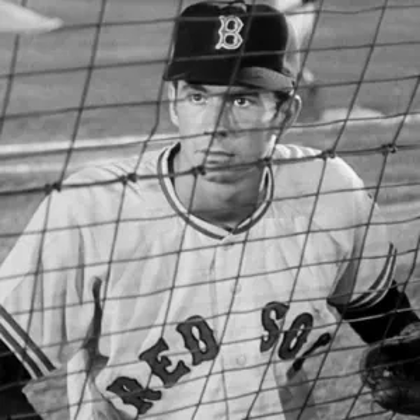
Throughout a highly successful high school career, Jim feels an increasing pressure to perform – especially when the Red Sox send scouts to watch the outfielder. But he makes a good impression and Boston signs him to a contract, sending him to play his first year of professional ball at their Scranton minor league affiliate. Jim’s father unrealistically advises him that he must play well so he can make the big leagues after only one year in the minors.
While at Scranton, there’s a small, but key moment in the film. Jim relates how good things are going and tells his Dad “With just 15 games to go, I’m batting third in the league.” To which Mr. Piersall replies “Well, that isn’t first.”
While in Scranton, Jim meets Mary and they eventually marry and have a baby. This briefly brightens his life, but after Scranton wins the championship, Jim starts to show signs of anger, frustration and erratic behavior. This is only compounded by the fact that over the winter Boston decides he needs more seasoning and sends him to Louisville instead of adding him to the big league roster. The pressure continues to take its toll, but Jim finally makes the Red Sox, but with one caveat: The team wants him to move from the outfield to shortstop where’s he’s never played. Jim isn’t sure and starts to show some paranoia, claiming the team doesn’t really want him.
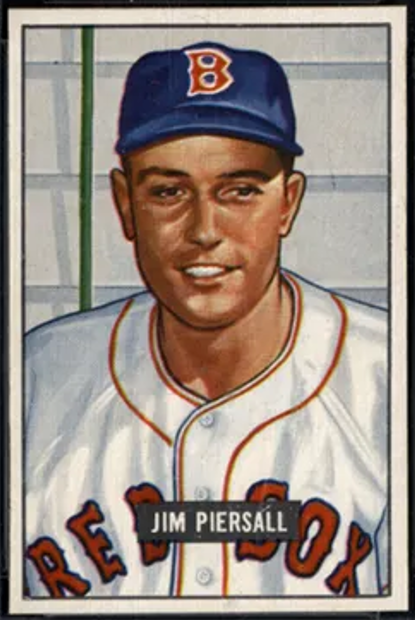
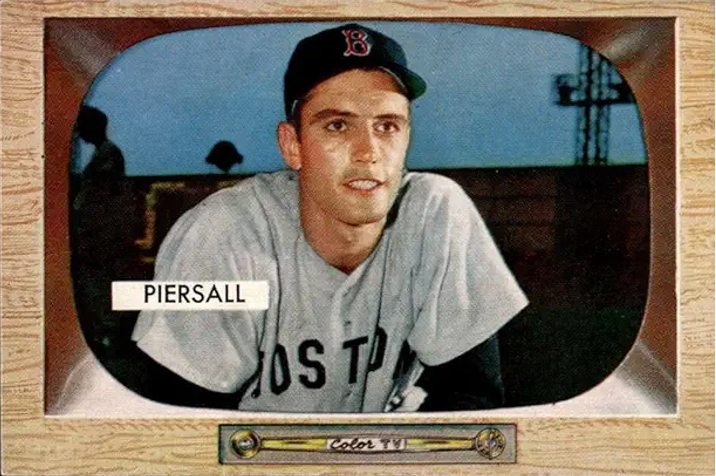
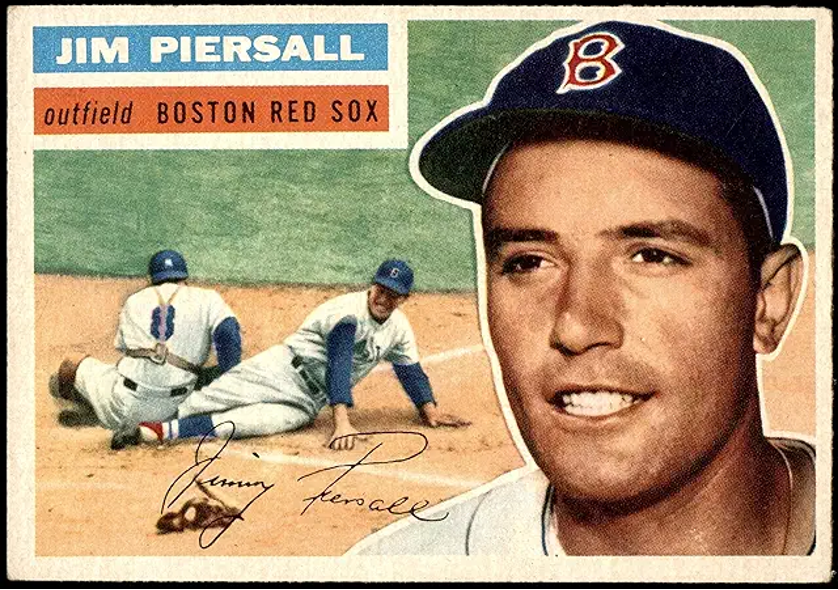
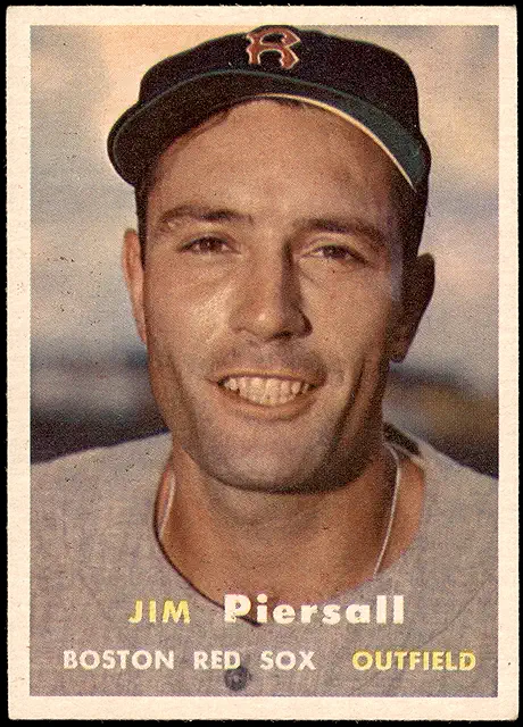
He starts the next season at short, but increasingly alienates his teammates with his yelling at them and excessive rah-rah behavior. Finally, he goes too far and earns a two-week suspension after on an on-field fight during a game. He and his father meet with the general manager and Jim promises to behave if they move him back to the outfield. However, it doesn’t last as his condition continues to deteriorate rapidly.
Finally, after getting a big hit during a game at Fenway Park, Jim totally loses it. He has a manic, out-of-control look on his face and is screaming at the crowd as he climbs the backstop. When he is dragged back to dugout, he grabs a bat and starts swinging wildly at players, coaches and the manager. Police are finally able to restrain him. This is definitely the most spine-chilling scene in the movie.
Jim has had a mental breakdown and ends up at the State Hospital. He makes little progress with talk therapy over several weeks and his doctor finally suggests – as a last resort – electro-shock therapy. Little-by-little there are small breakthroughs with the shock and talk therapy, but it’s a very S-L-O-W process.
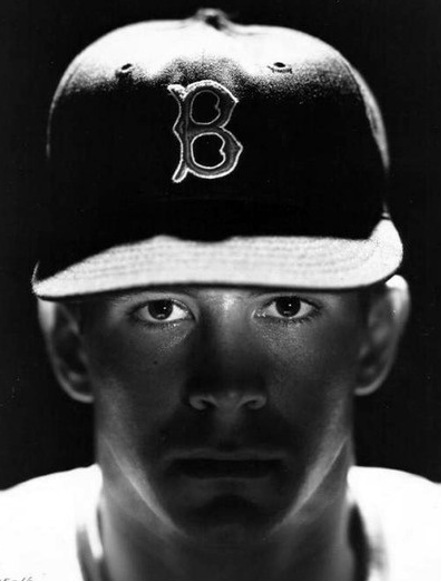
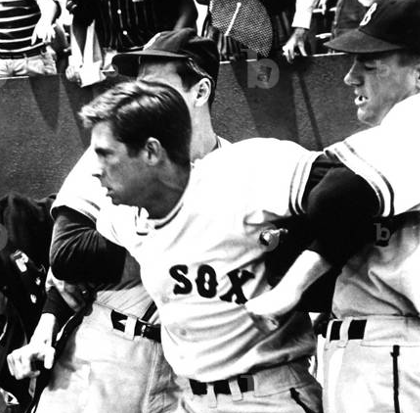
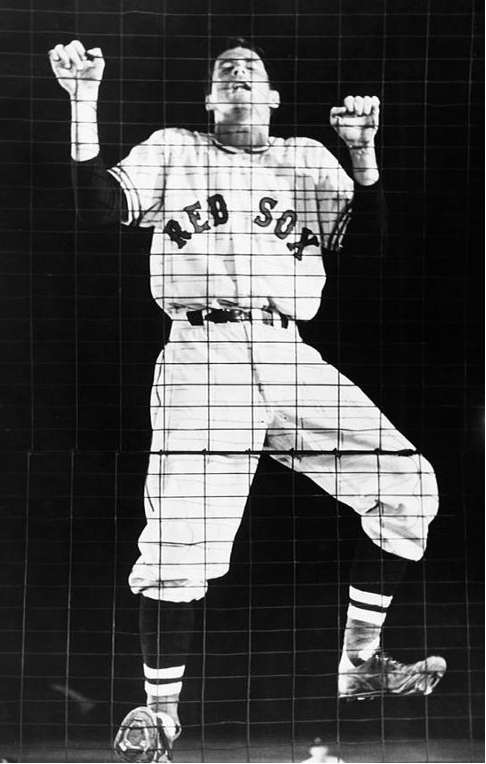
Mr. Piersall doesn’t understand it all and shows up at the hospital determined to take him home and Jim has a very negative reaction upon seeing his father. However, through therapy Jim improves and finally realizes that although his father’s intentions may have been good, they were misplaced and only he can decide how to live his life and whether to continue his baseball career.
The somber, serious film ends with a ray of light at the end of the tunnel: Jim has made it through recovery, reconciles with his father and decides to go to spring training.
Mental illness was a touchy subject when the film premiered in the 1957 (and to some extent, it still is). But it served a purpose in exposing the topic to a mass audience – perhaps helping show that anyone, in any situation, can be affected.
“Fear Strikes Out” is worth watching. The acting is good and the dramatic scenes are intense, but not over-the-top. Plus, most of the baseball scenes are fairly credible. (Even though a few crowd scenes and backgrounds are wanting and there’s some use of stock footage.)
Piersall went on to play 15 more seasons in the majors, was a two-time All-Star and won a pair of Gold Gloves. He was known as a character throughout his career.
Three years after the release of “Fear Strikes Out,” Anthony Perkins gained international fame for his performance as Norman Bates in Alfred Hitchcock’s “Psycho.” Meanwhile, Karl Malden was already an Academy Award winner and continued acting for another three decades, including starring in the 1970s television police drama “The Streets of San Francisco.”
• • • • • •
THIS ARTICLE WAS WRITTEN
EXCLUSIVELY FOR BaseballCardFun.com
• • •
Text Copyright © 2025 by BaseballCardFun.com / Mark A. Larson
No article appearing on this website may be reproduced without written consent of the Editor/Publisher
To keep up-to-date on additions to BaseballCardFun.com, subscribe below*
* Your email address will never be shared and is only used to announce new articles
 BaseballCardFun.com