
How Baseball Cards Became an American Obsession – by Dave Jamieson (2010)
REVIEWED BY MARK A. LARSON
Editor & Publisher
Right from the start, I fell for this book – hook, line and sinker. And that’s extremely rare for me. … Even rarer is that I actually read it twice (and skimmed it a third time).
In 2006, the author, Dave Jamieson, rediscovered his baseball card collection when his parents sold their home and he had to clear out his old room. What he found were thousands of cards from the late 1980s, filling box after box. Naturally, he wanted to find out what they were worth. The answer he got from several card dealers was … unfortunately: Next to nothing.
This sent Jamieson on not only a quest to find out what happened to the booming card market he remembered from 15 years earlier, but also to explore the entire history of card collecting. In “Mint Condition,” he provides a full gamut historical view of what eventually became known as “The Hobby.”
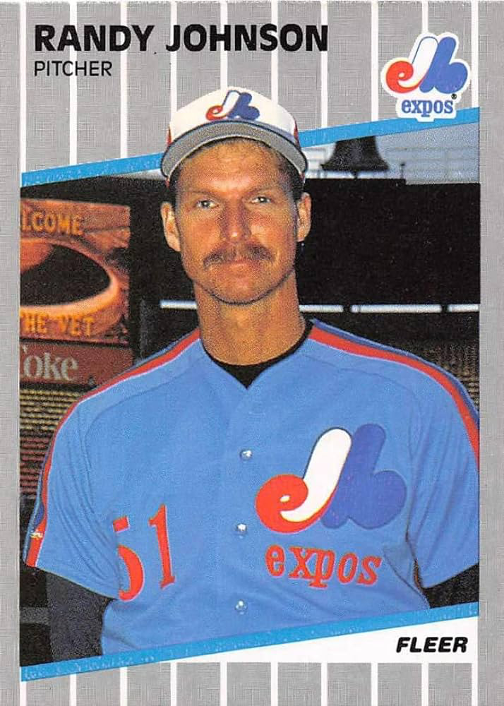
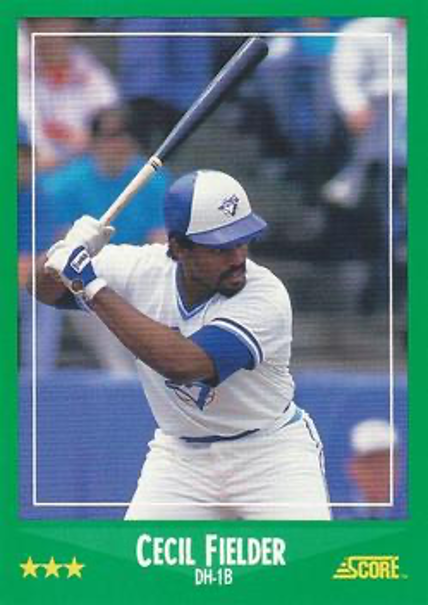
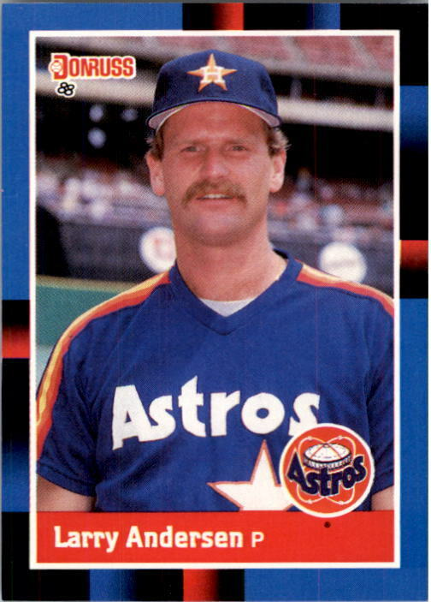
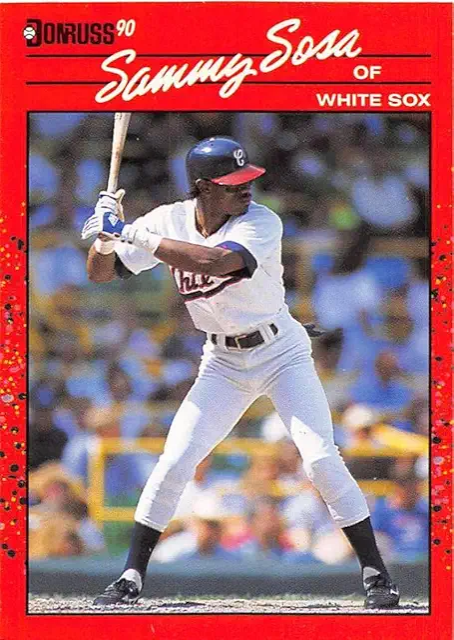
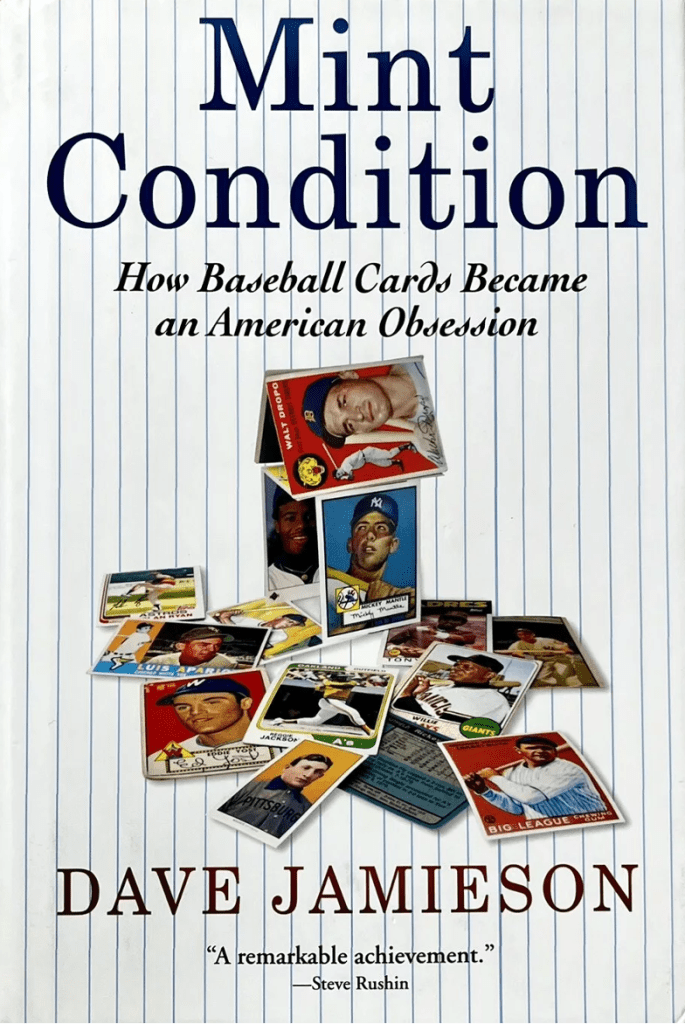

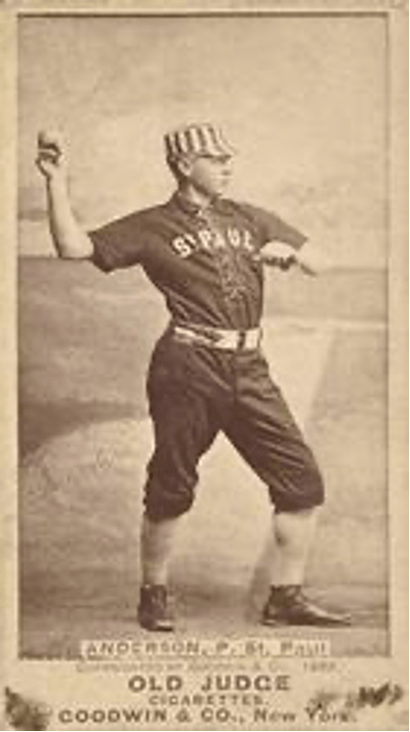
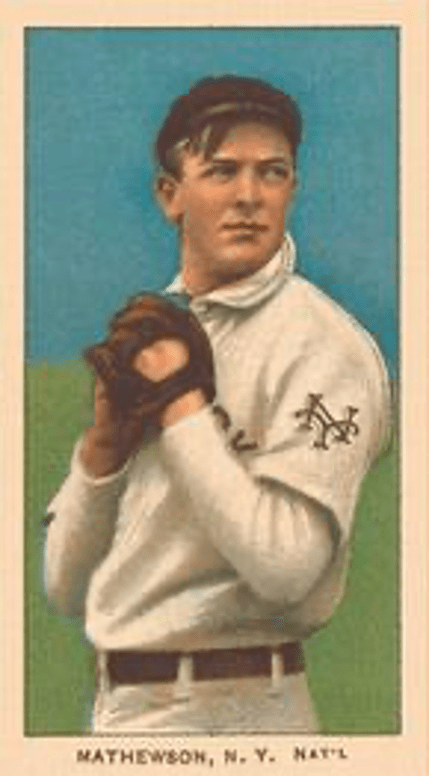
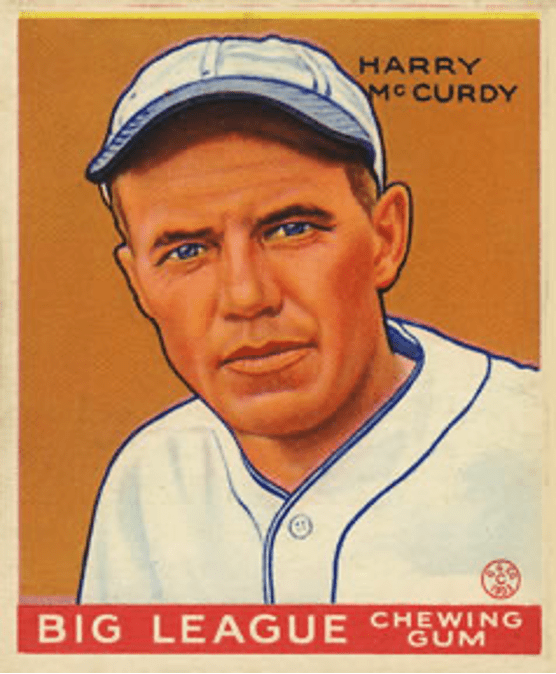
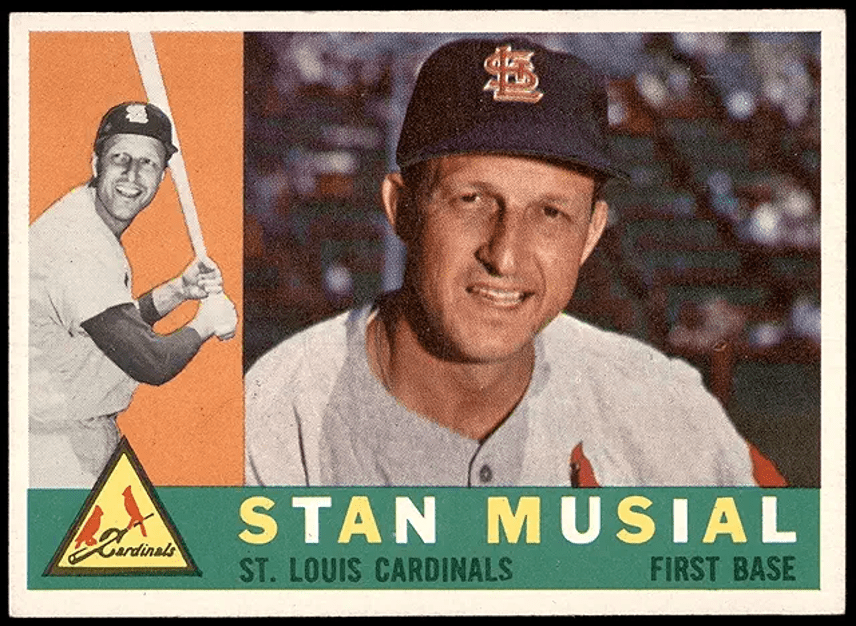
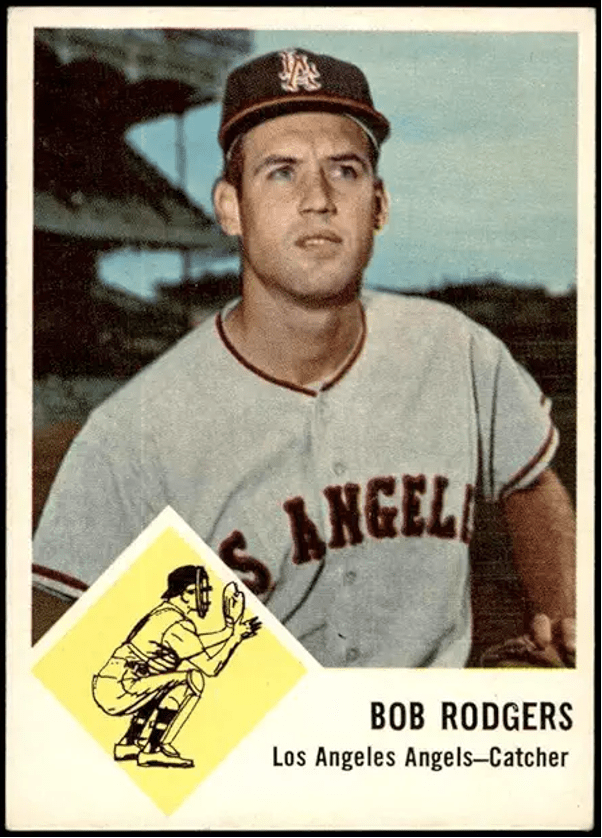
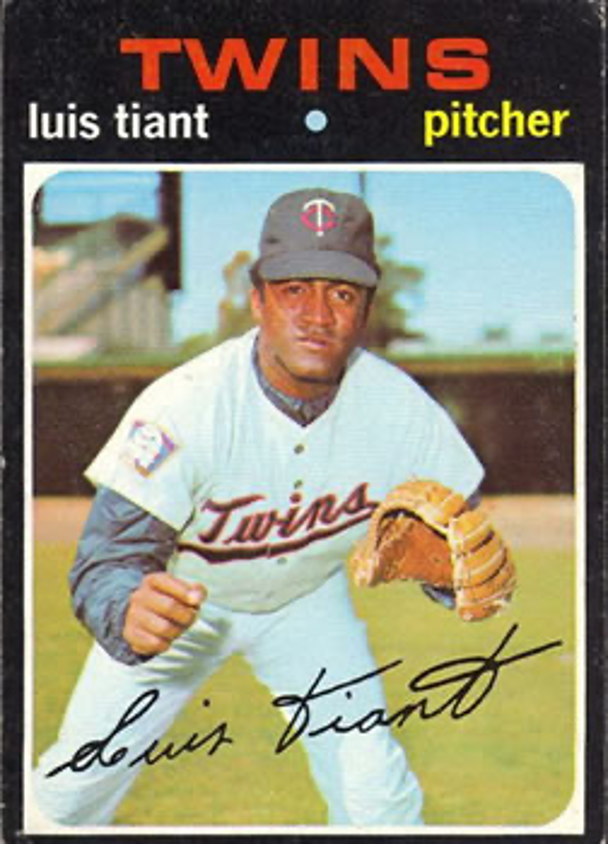
Over the course of 250 pages – divided into 12 chapters – the book covers card collecting from early tobacco issues in the 19th century (Old Judge cards, for example) into the early 20th century (think T-206 cards). It moves on to the gum issues of the 1930s (including Goudeys) and then to the emergence of Topps as a major player challenging the Bowman gum company in the early ’50s. It continues through ’60s, ’70s, ’80s and beyond when collecting baseball cards went from almost strictly a kids hobby to a near-insane emphasis on rookie cards and investment opportunities.
Along the way, we learn a great deal about Jefferson Burdick, the avid collecting pioneer who was the granddaddy of the modern hobby. He devoted years of his life to cataloging cards of all stripes and was among a relatively small number of adults who indulged in card collecting years before anyone ever heard of Topps, Bowman, Fleer, etc.
Then the focus moves to the two Topps visionaries, Sy Berger and Woody Gelman, who literally changed the hobby forever with the groundbreaking 1952 set. From that point on, Topps literally lived up to its name in the card business for decades to come. Along with the chapter on Burdick, the inside look at Topps was perhaps the most intriguing part of the book for me.
Yet there’s a lot more included in Mint Condition: Marvin Miller and the baseball union’s relationship with cards; Fleer’s attempts to break the Topps monopoly; the importance of the Beckett price guides; Upper Deck’s challenge to the existing card business in 1989; the introduction of certified/graded cards; and the hobby bust in the early ’90s.

Obviously, the card collecting hobby/business has not been all peaches and cream and Jamieson also touches on the seemier side of it all. In particular, he examines “card doctoring” – the deliberate alteration and repairing of cards to fool collectors/investors (and the grading services) by artificially boosting a card’s appearance and ultimately its grade and value.
The book covers the roller coaster ride of card collecting and the card business over a dozen decades in a very thorough and interesting way, with many details and tidbits thrown in for good measure.
In the end, since big-time speculation in cards basically went belly up in the early ’90s, Jamieson has a suggestion for Major League Baseball and Topps: Return cards to the status of what they once were: cheap playthings … just pieces of cardboard that you can enjoy and have fun with. (In my opinion, baseball cards could still be a big revenue-producer while possibly becoming more appealing to a new generation of kids – which is what baseball and the card collecting hobby desperately need to survive in the long run.)
If I were to use the traditional card grading scale from “poor” to “mint” – in other words, worst to best – this book would live up to its name and its grade would truly be: Mint condition.
• • • • • •
THIS ARTICLE WAS WRITTEN
EXCLUSIVELY FOR BaseballCardFun.com
• • •
Text Copyright © 2024 by BaseballCardFun.com / Mark A. Larson
No article appearing on this website may be reproduced without written consent of the Editor/Publisher
To keep up-to-date on additions to BaseballCardFun.com, subscribe below*
* Your email address will never be shared and is only used to announce new articles
 BaseballCardFun.com