
Henry Aaron and the Legend of
Eau Claire Baseball – by Jerry Poling (2002)
REVIEWED BY MARK A. LARSON
Editor & Publisher
Back on Jan. 22, 2021, when I first heard Henry Aaron had passed away at age 86, I was truly bummed. Later, when I finished reading “A Summer Up North,” I was truly thankful it had been written.
When I was growing up, I had two favorite ballplayers, the Twins’ Harmon Killebrew and the Braves’ Hank Aaron. Both were power-hitters (always my favorite) and both were quiet – not brash – superstars who spoke volumes … with their bats.
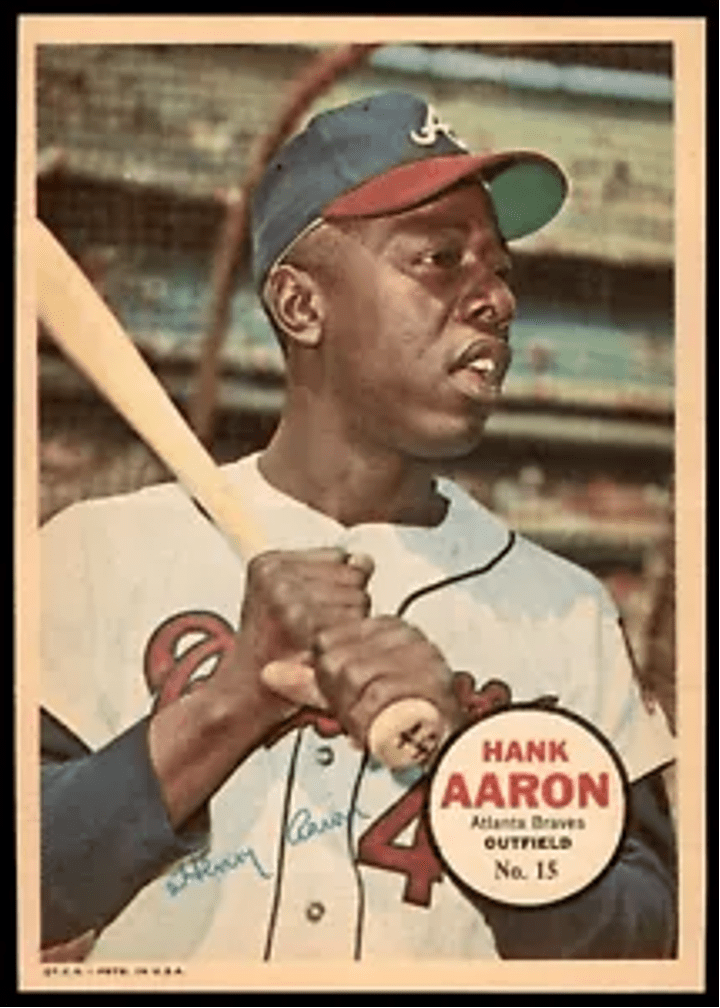
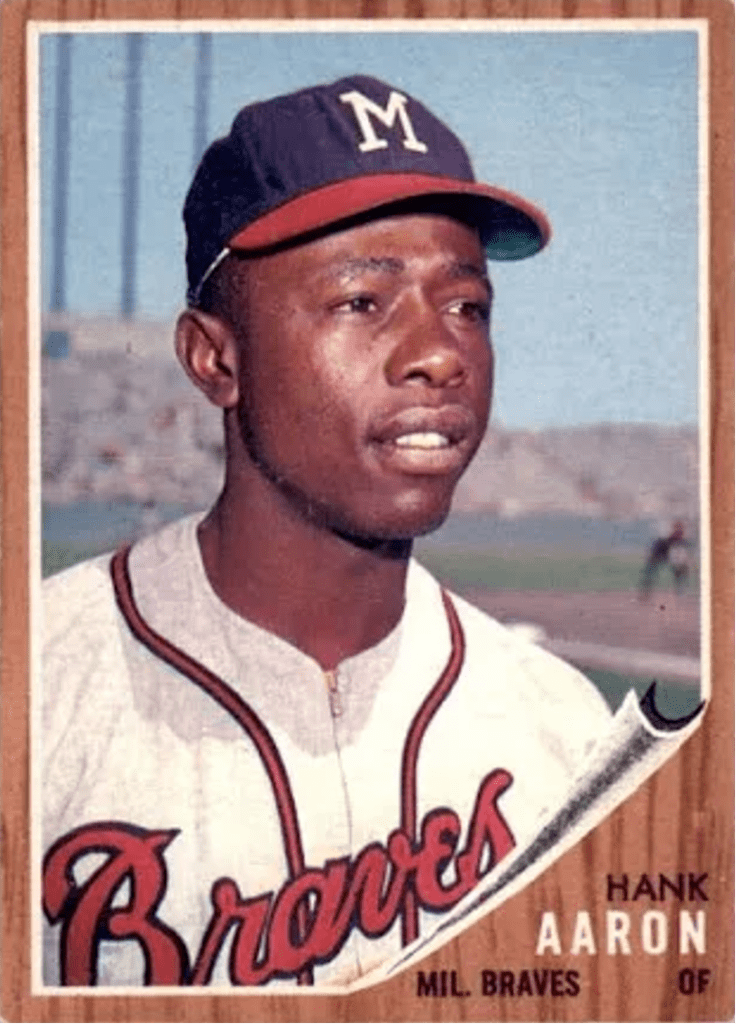
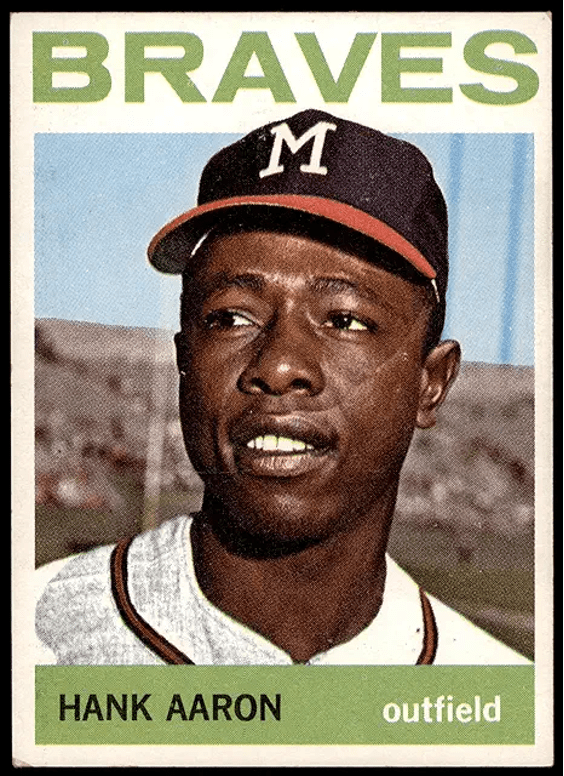
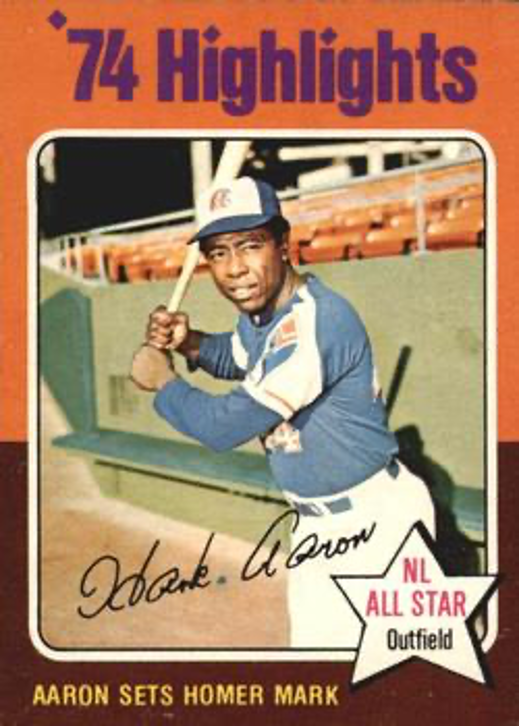
This was a time when Aaron was approaching Babe Ruth’s all-time home run record and the most prized part of my baseball card collection (and my younger brother Dan’s) were the Hank Aaron cards. Whenever we acquired cards together, we would throw dice to determine who got the first choice of any Aaron cards.
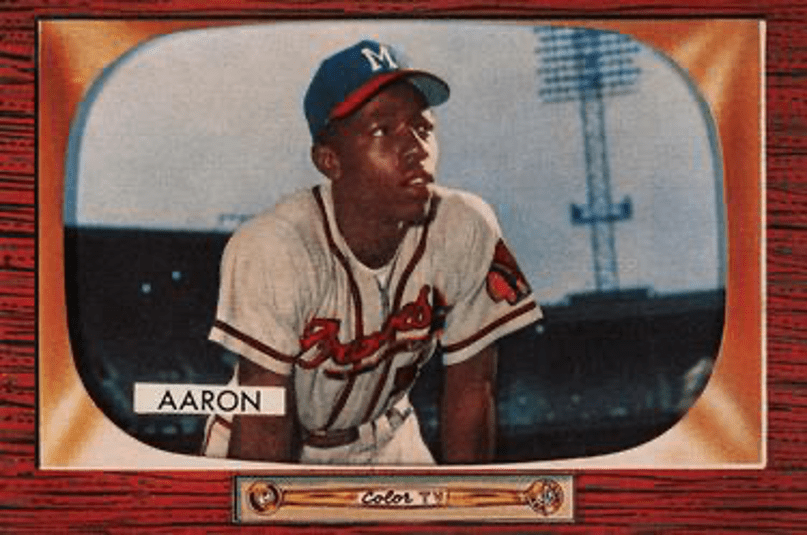
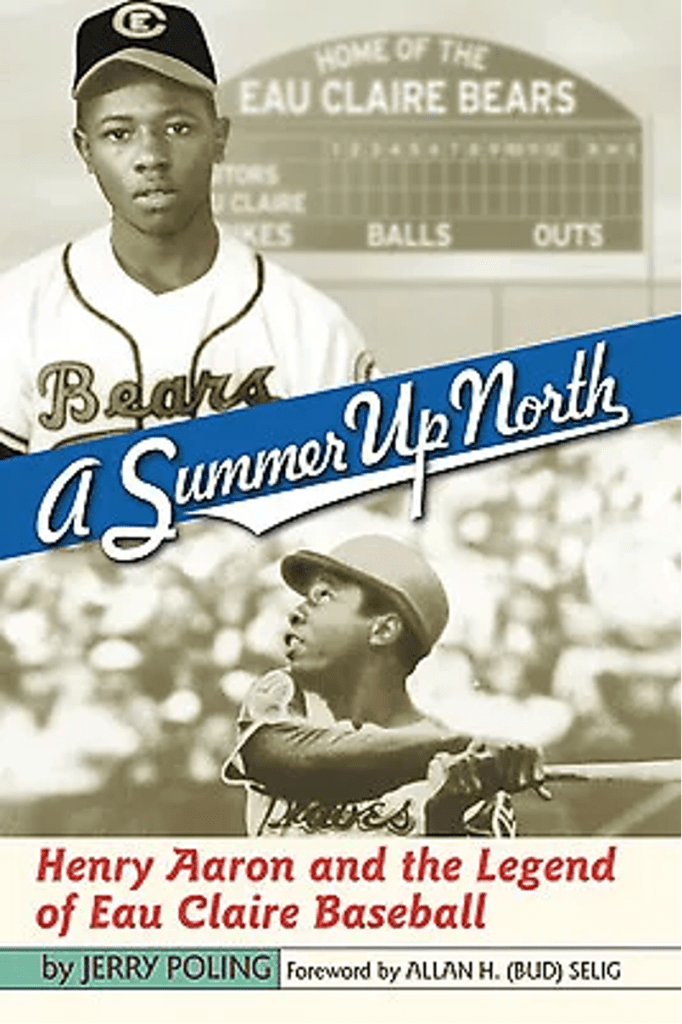
Eau Claire, Wisconsin was Aaron’s first stop in the minors in 1952 after signing his first contract with a major league club, the Boston Braves (they would soon relocate to Milwaukee the following year). The city currently has a population of about 70,000 (approximately twice the size as 70 years ago) and is located in west-central Wisconsin about 90 miles east of Minnesota’s Minneapolis/St. Paul metropolitan area. My wife and I relocated to Eau Claire from the Twin Cities in 2017.
On the day Aaron died, by chance I just happened to turn on the local evening newscast. The top story was his death and the connection he had to Eau Claire, which I was aware of, but knew no details. During the report, the book “A Summer Up North” by Jerry Poling (written in 2002) was mentioned. Had I not tuned in, I probably would have never discovered this book. I was intrigued and immediately ordered a copy online.
Words alone cannot describe how much I enjoyed the book. I was expecting the story of Aaron’s first year in the minors, but got so much more. (Just prior to his time in Eau Claire, Aaron spent a short period with the Negro League Indianapolis Clowns.)
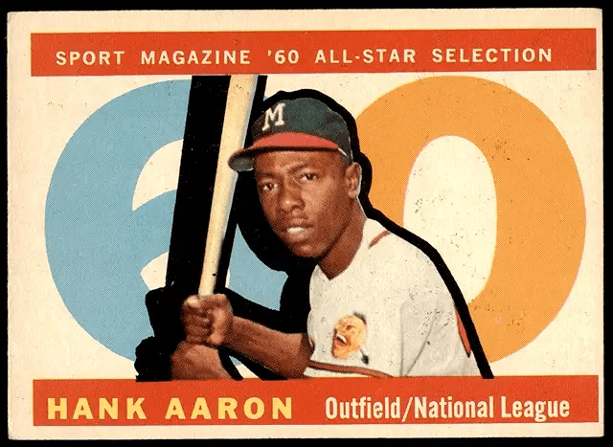

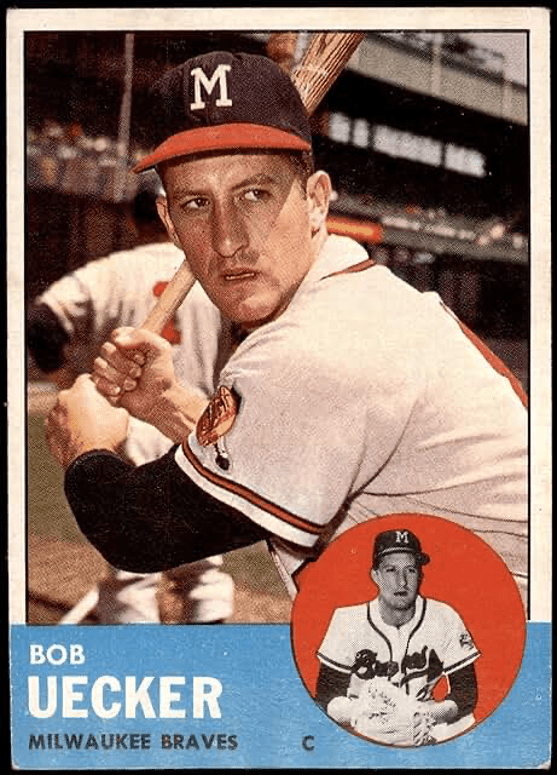
The book chronicles Aaron’s summer in Eau Claire with the Class C Bears. But it also covers the history of baseball in the city; the old Northern League (which folded in 1971 – nine years after Eau Claire’s team bit the dust); a road trip the author took with his son visiting the new 1990s version of the Northern League and its ballparks, plus museums of players who once played for Eau Claire, including Hall-of-Famer Burleigh Grimes; interviews with Joe Torre and Bob Uecker, who both spent time with the Eau Claire team; and finally Aaron’s triumphal return to Eau Claire in 1994 for a statue dedication ceremony at Carson Park, the stadium where he played – which is still used today by the Cavaliers (an amateur team) and The Express (part of the Northwoods League).
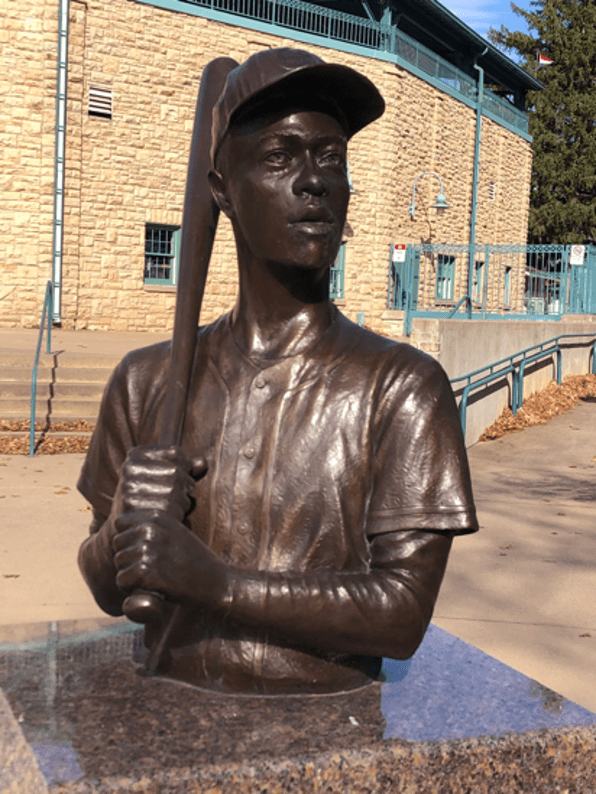
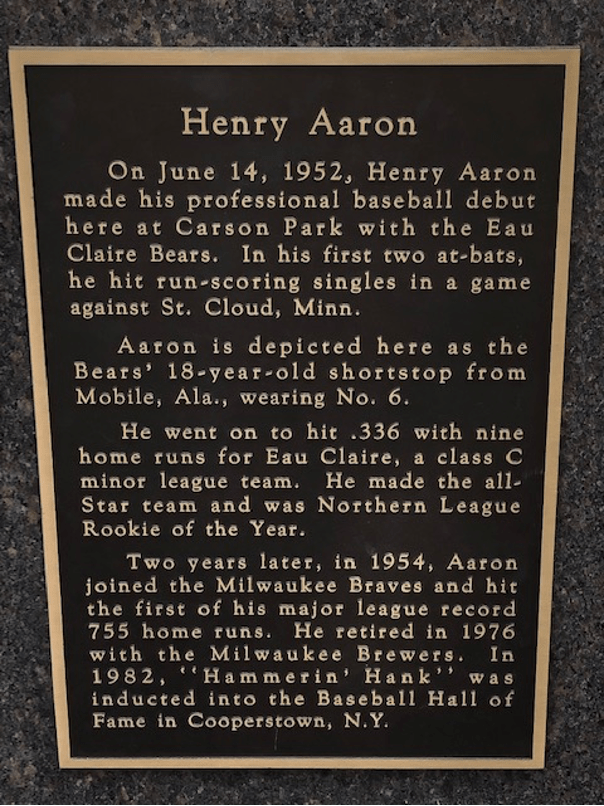
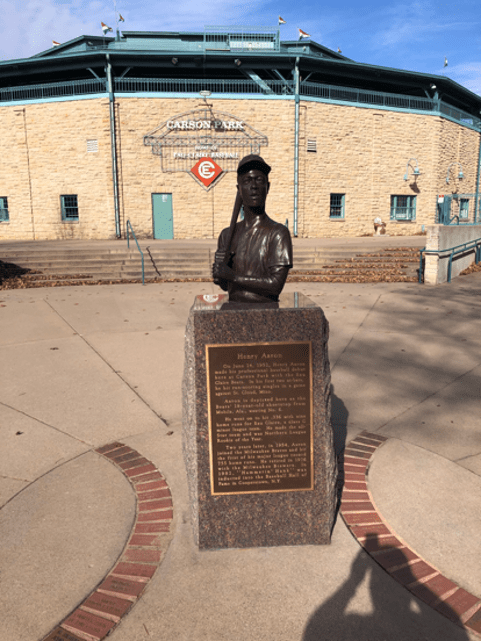
Hank Aaron returned to Eau Claire in 1994 for his statue dedication at Carson Park
When Aaron arrived in Eau Claire in June 1952, he was a shy 18-year old black man from totally segregated Mobile, Alabama. Eau Claire was – literally – 99.9 percent white. Can you imagine the difference? In fact, early on in the book, it describes Aaron’s first day in Eau Claire. He was picked up at the regional airport by a member of the press and they stopped at his house for lunch. It was the first time Aaron had ever been in a white person’s home.
As to be expected for the times, there was some resistance to black ballplayers coming to Eau Claire. However, the “color line” was broken on the Eau Claire team two years earlier by Billy Bruton (who played in Eau Claire for one season before moving up the minors’ ladder, and eventually enjoying a fine 12-year major league career). Aaron was one of three black players on the 1952 team, which included future Braves’ outfielder Wes Covington.
The subject of race is not glossed over in the book. In Eau Claire and throughout the Northern League, the black players were mostly a curiosity, with many people staring at them. And some accommodations still refused service. Although still wrong, it wasn’t as huge of a negative factor as it was the following year when Aaron was promoted to the Jacksonville, Florida minor league team where Jim Crow-style racism was harsh and rampant. In that sense, Eau Claire may have the perfect jumping off place for Aaron’s career. He has indicated he had mostly happy memories of his time in Eau Claire, as he interacted with white people as never before.
Aaron’s successful season in Eau Claire is captured in detail. And at first glance, if someone feels reading about Eau Claire’s baseball history (including that of the Northern League) would be of little interest, think again. It paralleled literally hundreds of similar towns and dozens of leagues throughout the country in the early 1950s when minor league baseball was at its peak … the type of baseball history that is now long gone.
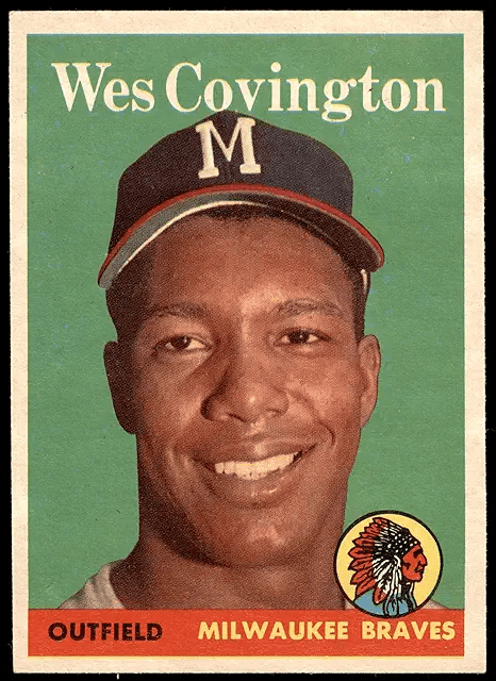
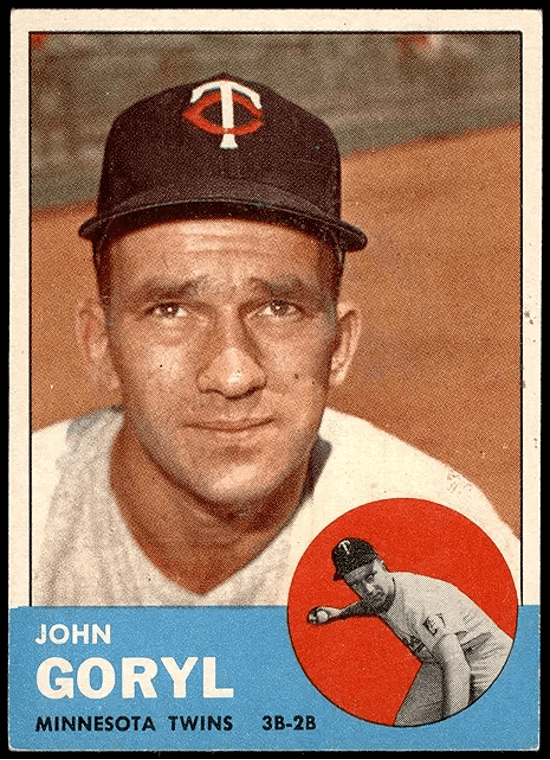
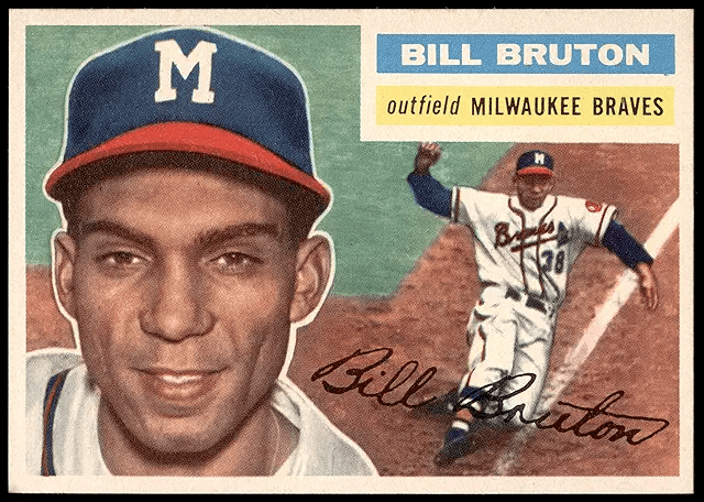
In addition to the aforementioned Burleigh Grimes, Billy Bruton, Wes Covington, Joe Torre and Bob Uecker, some other major leaguers who played for the Eau Claire Bears (renamed the Braves in 1954) over the years were: Andy Pakfo, Tommie Aaron (Hank’s younger brother), Tony Cloninger, Manny Jimenez, Rico Carty, Wes Westrum, Clint Hartung, and future Twins’ player, coach and manager, Johnny Goryl (a teammate of Aaron’s in 1952).
Aaron, of course, would eventually become the new All-time Home Run King. But it came with a gigantic price. From the time of his approach to Babe Ruth’s record in the early 1970s until the day he died, Aaron had to endure countless death threats from those who objected to a black man breaking a white man’s historic sports record. He faced it and became a leading proponent and spokesman for racial equality. Mohammed Ali once said of Aaron: “He’s the only man I idolize more than myself.” That’s no small compliment coming from Ali.
“A Summer Up North” is meticulously researched and very thorough. However, author Poling does a good job of keeping the book moving along by not allowing those details to bog down the narrative. At 174 pages of text, it’s easy to devour in a fairly short period of time (and includes 30 photos).
This is an excellent book that is a great – and fun — read for those who are interested in the early career of Henry Aaron, racial attitudes in 1952, as well as a glimpse into the bygone era of a city’s and region’s baseball history.
• • • • • •
THIS ARTICLE WAS WRITTEN
EXCLUSIVELY FOR BaseballCardFun.com
• • •
Text Copyright © 2024 by BaseballCardFun.com / Mark A. Larson
No article appearing on this website may be reproduced without written consent of the Editor/Publisher
To keep up-to-date on additions to BaseballCardFun.com, subscribe below*
* Your email address will never be shared and is only used to announce new articles
 BaseballCardFun.com