
BY MARK A. LARSON
Like Dorothy in the Wizard of Oz, at one time or another every sports collector comes to a fork in the road and isn’t sure which direction to take.
For some, it could be because their collections have become so big and unwieldy that they’re running out of space – and adding a room to their homes is not an option!
For others, money becomes an issue. Maybe they’re at a point in their lives where marital status, additional children or a change in jobs or retirement have cut into their hobby budgets. Or possibly, their hobby goals require too much cash to complete.


Time can also be a commodity that limits a hobbyist’s collecting pursuits, as family, career and other activities take up more hours of the day.
Whatever the reason, sometimes decisions have to be made on how to cut back or streamline sports collecting goals.
Several of these factors came into play during the past dozen years when I reached my own personal hobby fork-in-the-road and needed to refocus my collecting. But mostly, it was budget limitations.
For two decades, from the time I was eight years old in 1967 until I became a full-time dealer in 1987, I avidly collected baseball cards. I had nearly completed all the Topps sets from 1955 to 1987, plus I had several hundred pre-1955 Topps and Bowman cards and all the 1980s Fleer and Donruss sets.
After closing down my card business in 1992, my interest and participation in the hobby came to a halt. However, within a couple years, the lure of collecting baseball cards brought me back into the hobby. Yet, I knew I would have to place severe limits on what I would now collect.
I still owned 100,000 baseball cards from the 1950s on, with most from the 1970s and ’80s. I made two decisions almost immediately. First I realized going back and collecting all the complete Topps, Fleer, Donruss, Score and Upper Deck sets was out of the question. Second, even though at times I had dabbled in collecting basketball, football and hockey cards, I knew I would have to limit my collection to baseball.



– – – – – – 1 0 0 , 0 0 0 – – – – – –
Next, I decided to go through those 100,000 cards left from my business. What would I keep and what should I sell?
I decided to hang on to cards of players I liked, cards of Twins players, and cards that have nice photographs – whether they were commons or star cards. For instance, I dislike card photos that show the player without a cap or that show several players grouped together so that it’s difficult to pick out the player being depicted.
I began to focus only on the major basic sets of Topps, Fleer, Donruss, Score and Upper Deck. I would forgo inserts or “chase” cards, other sets issued by the major companies (Stadium Club, Collectors Choice, Ultra, etc.) and other minor or oddball sets. At most, I chose to keep a couple of hundred cards from each of the larger sets.
In addition, I decided to give up collecting any baseball cards issued before 1957. I was born just a year later and didn’t have much interest in most players before that time. Plus, that was the year card size became standardized at its current two and a half by three and a half inches format and that’s always been my favorite size for cards.
As part of my streamlining, I made two other decisions. First, because I collected the four Topps sets issued from 1967-1970 as a youngster, I would make an exception and try to complete those again. Second, crazy at it sounds, I would try to accumulate as many 1967 Topps cards of Cincinnati Reds first baseman Gordy Coleman as I could.
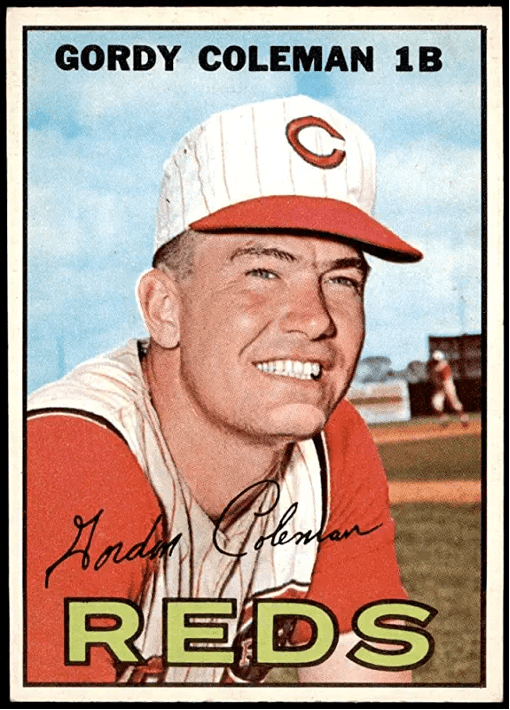
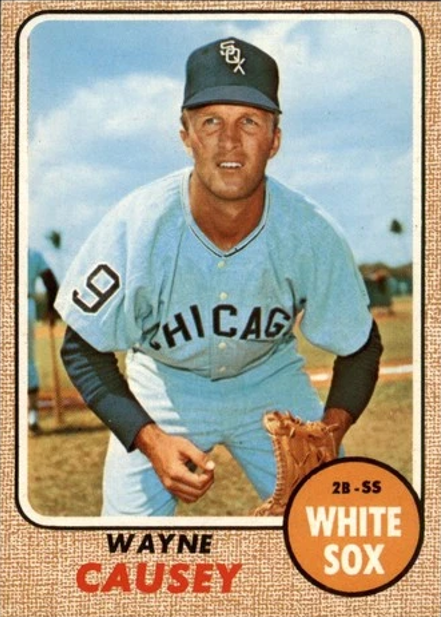
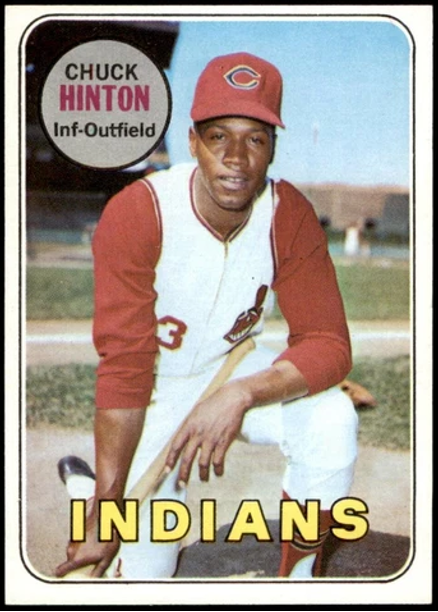
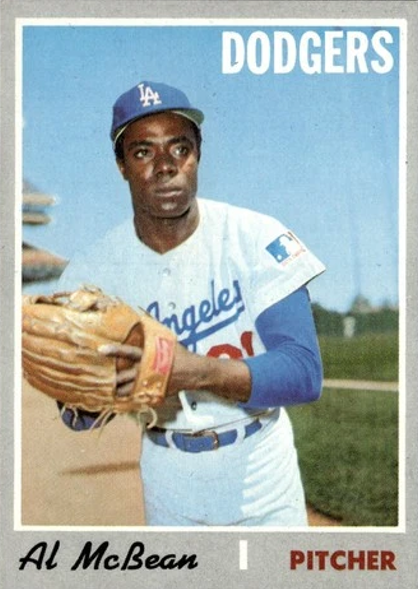
The 1967 Coleman card was the very first one I ever acquired and although it makes no sense whatsoever, I have about 100 of them. My pursuit of Coleman cards does sometimes raise eyebrows. A dealer at TwinsFest several years ago refused to sell me the three ’67 Colemans he had in stock because he thought there must have been some valuable error or variation that he was unaware of. (I was too embarrassed to tell him the truth – I was nuts.)
Even though the focus of my collection is much narrower than it once was, I still enjoy looking for older cards and adding a few hundred from the new sets every year. Yes, I’m buying back some of the cards that I once owned (and eventually sold as a dealer). But it’s a small price to pay for fun, nostalgia, and learning more about past and current baseball players.
Keep in mind, refocusing collecting goals doesn’t have to be negative. In fact, because the revised goals might be more realistic and attainable, your hobby enjoyment level could actually increase.
• • • • • •
• Originally Published in Apr. 2004 “Twin Times” •
THIS ARTICLE FROM THE “TWIN TIMES” NEWSLETTER – OFFICIAL PUBLICATION OF THE TWIN CITIES SPORTS COLLECTORS CLUB – IS REPRINTED WITH THE PERMISSION OF THE AUTHOR. IT HAS BEEN RETYPED, BUT NO CONTENT HAS BEEN CHANGED (EXCEPT FOR VERY MINOR ADJUSTMENTS, CORRECTIONS TO ANY TYPOGRAPHICAL ERRORS AND THE ADDITION OF GRAPHICS). COMMENTS OR INFORMATION IN THE ARTICLE MAY BE OUT-OF-DATE.
 BaseballCardFun.com