
BY MARK A. LARSON
Second-guessing, or “Monday morning quarterbacking,” is one of the favorite pastimes of sports fans everywhere.
And nowhere is this more likely to take place than when two baseball teams trade players. Who got the best deal? Why did you trade him? That’s all you got in return?
As they say, “Hindsight is 20/20 vision.” Keep in mind, it can take several years to make a final evaluation of a trade. For what sometimes looks great at first can turn disastrous over the long haul. Let’s look at some of the worst baseball transactions of all-time (in no particular order):
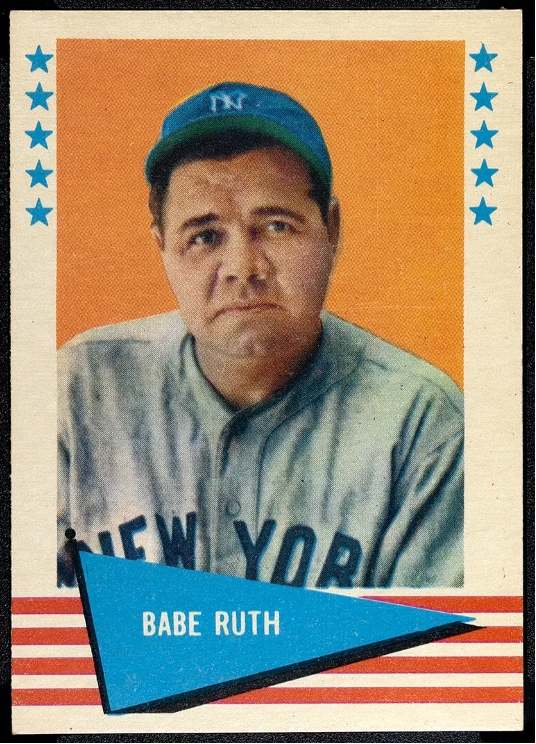

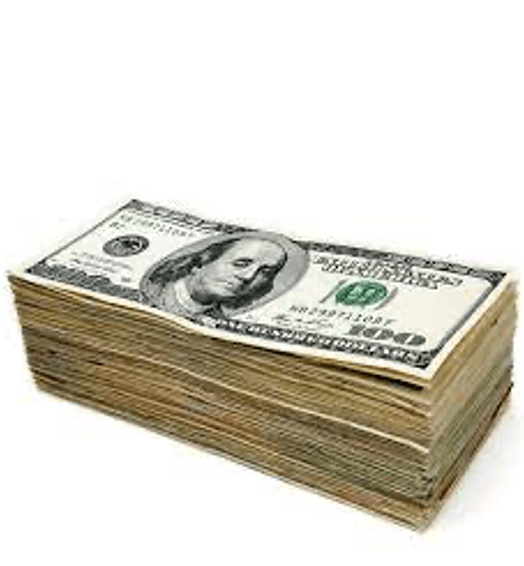
• Going back 80 years, there are still some in Boston who can’t believe the Red Sox sold Babe Ruth to the Yankees after the 1919 season. Boston owner Harry Frazee got $125,000 cash and a $300,000 loan for the Bambino. Not pocket change back then, but just think of what he might have been had Ruth stayed in Beantown.
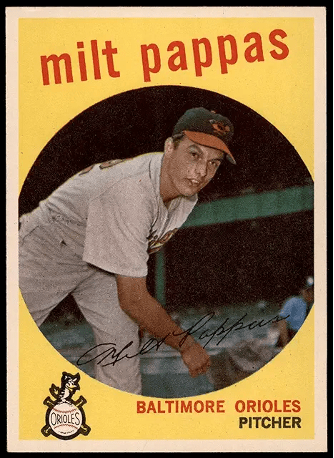
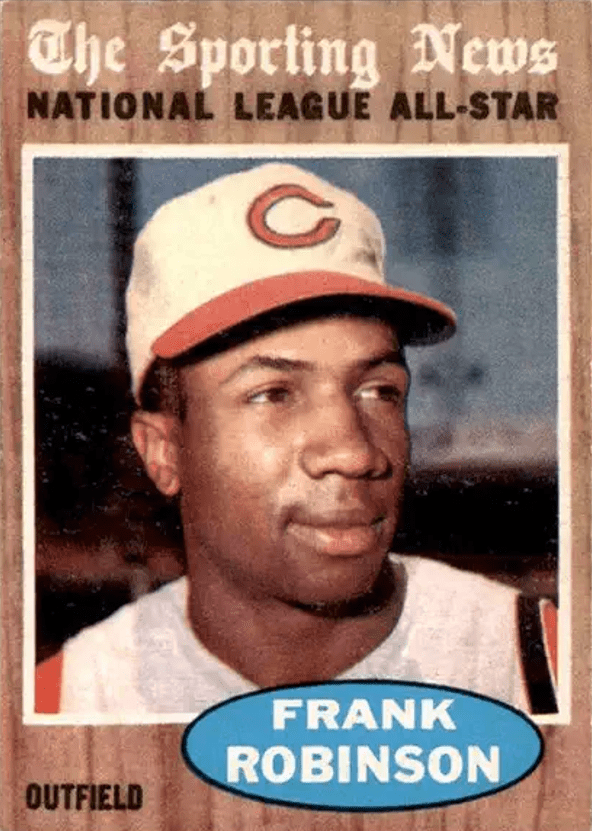
• In December 1965, the Cincinnati Reds traded outfielder Frank Robinson to the Baltimore Orioles for pitchers Milt Pappas and Jack Baldshun and outfielder Dick Simpson. Robinson promptly went out and had his best season ever, winning the Triple Crown and leading the O’s to a World Championship in 1966. Pappas won 12 games for the Reds in ’66, 16 the next year and then was traded. The other two players never made an impact.
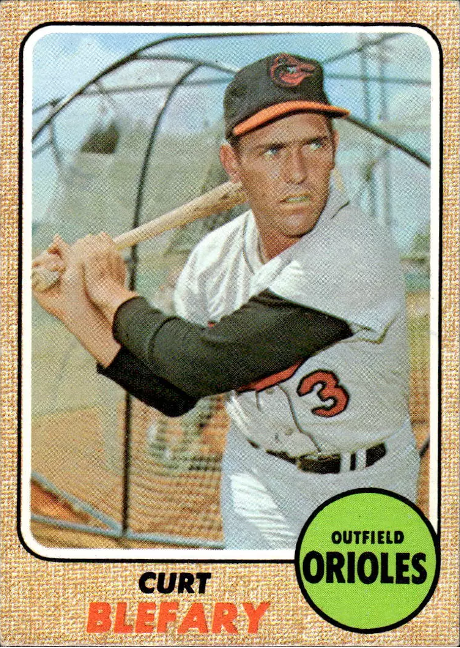
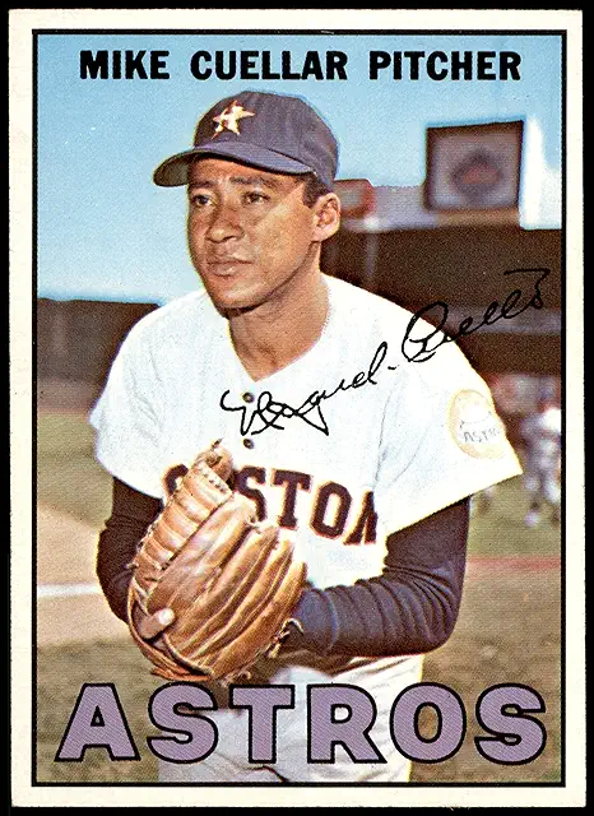
• Another Baltimore steal occurred three years later after the ’68 season. The Houston Astros dealt pitcher Mike Cuellar to the Birds for outfielder Curt Blefary (with some minor leaguers also involved). Blefary hit 12 homers and had 67 RBIs for Houston in 1969 and went downhill from there. Meanwhile, over the next seven seasons, Cuellar won 23, 24, 20, 18, 18, 22 and 14 games for the Orioles.
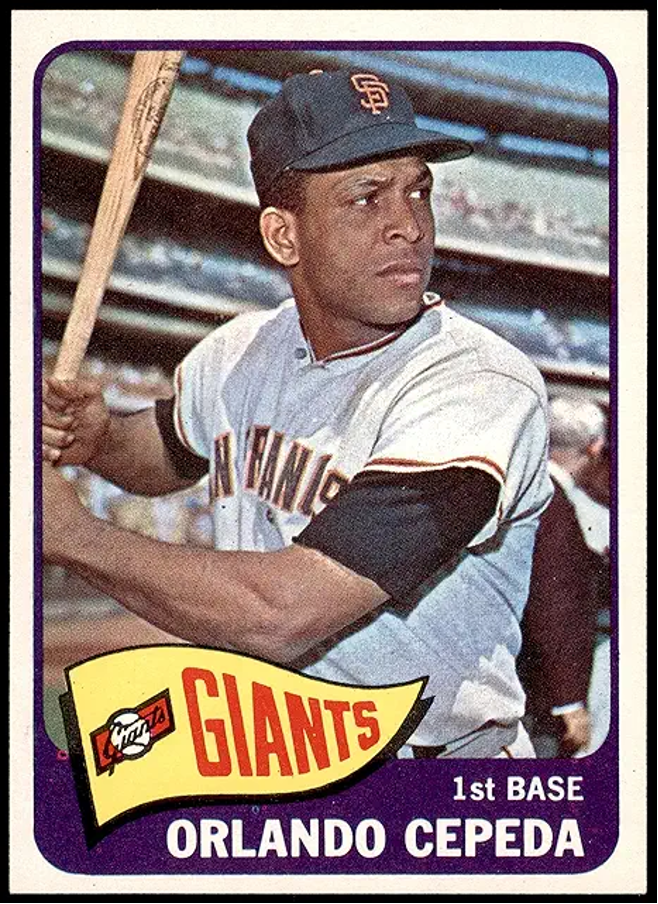
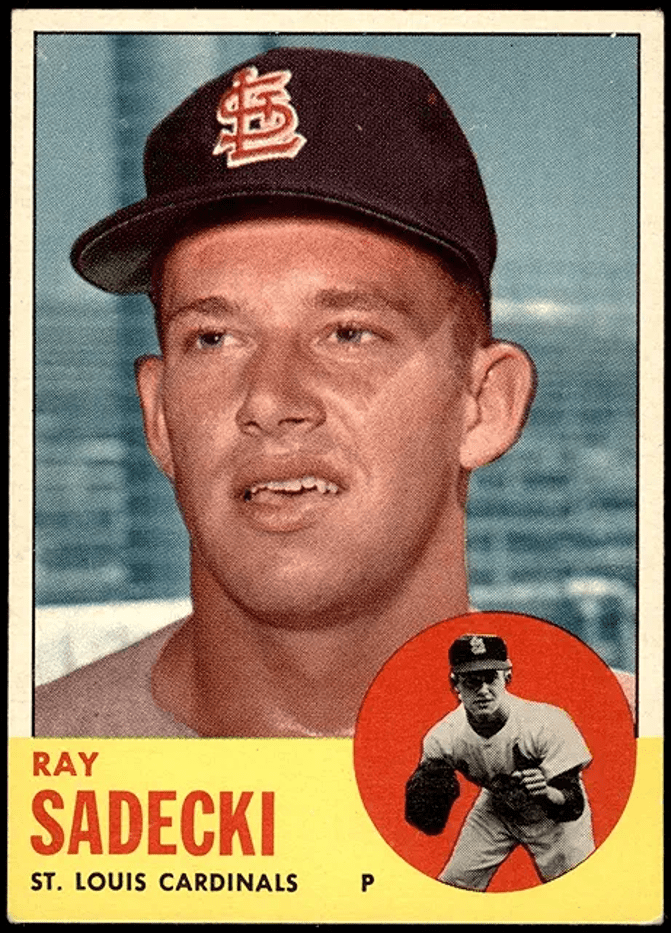
• On May 8, 1966, the San Francisco Giants sent slugger Orlando Cepeda to the St. Louis Cardinals for pitcher Ray Sadecki. Cepeda hit .303 for the rest of the ’66 season for the Cards. Then in 1967, he won the MVP award, while leading St. Louis to a World Championship. Sadecki didn’t fare as well, going 32-39 in three-plus seasons with the Giants.
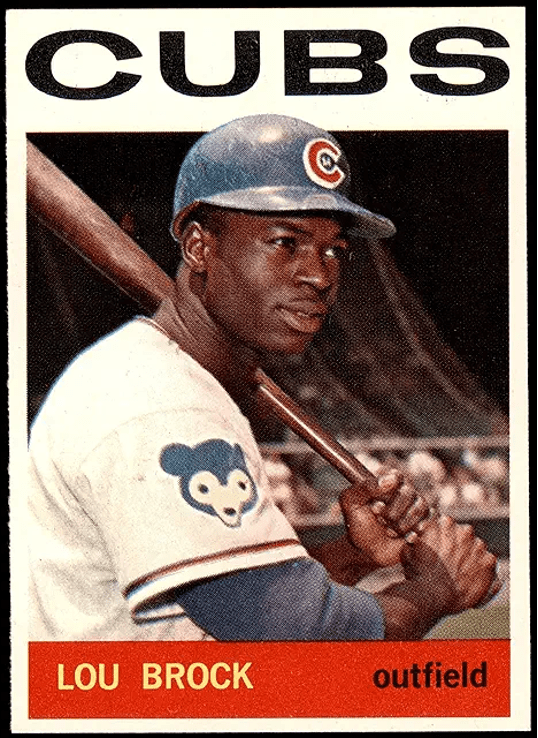
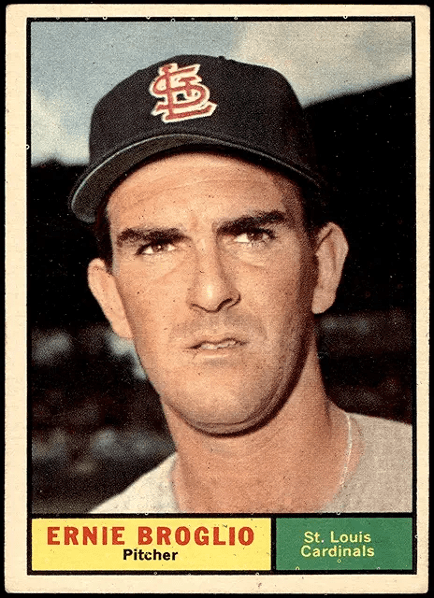
• The Cepeda trade followed another heist by St. Louis that took place two years earlier on June 15, 1964. This was the infamous Lou Brock trade with the Cubs. The Cardinals traded pitchers Ernie Broglio and Bobby Shantz and outfielder Doug Clemens to Chicago for Brock. What did Brock do? He promptly went on a tear, hitting .348 for the rest of the season as St. Louis won the World Championship. Needless to say, Brock continued his hitting and base-stealing all the way to Cooperstown. Broglio went 7-13 before his career ended, while Shantz went 1-2 before he called it quits. Clemens was a .229 lifetime hitter who faded away.
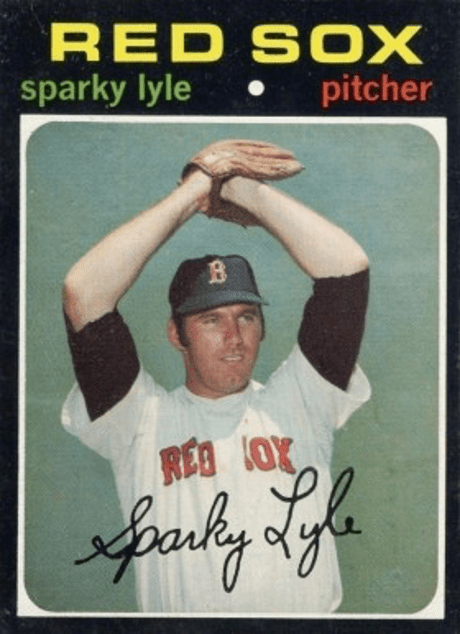
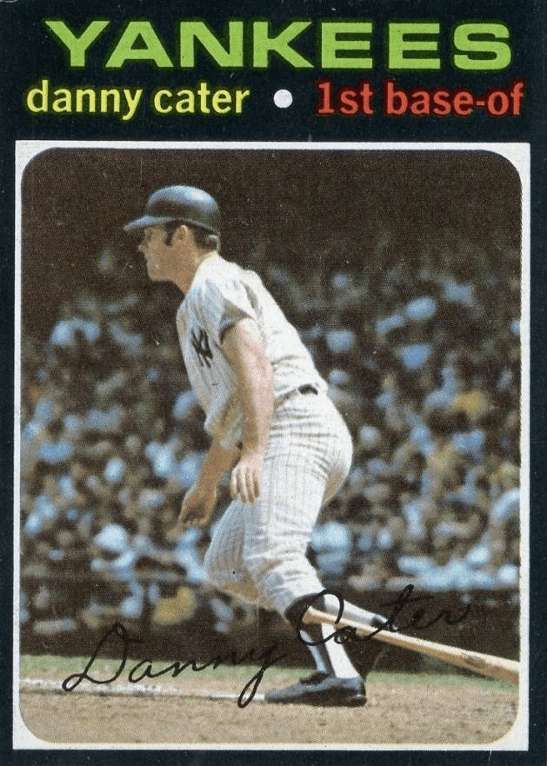
• Here’s a deal some fans may not remember. In March 1972, the Boston Red Sox traded reliever Sparky Lyle to the Yankees for outfielder Danny Cater. Lyle immediately went to town. That same year he led the American League in saves with 35, while posting a 1.91 ERA. He followed that with another five good years with the Bronx Bombers, again leading the league in saves in 1976. Cater, on the other hand, hit .237, with eight homers and 39 RBIs in 1972. And his career only deteriorated from there.
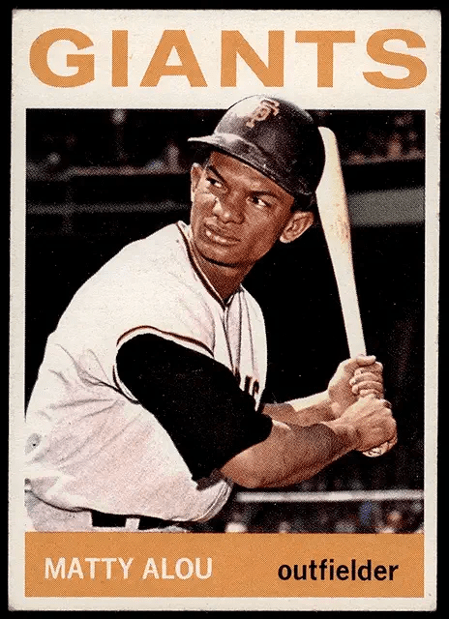
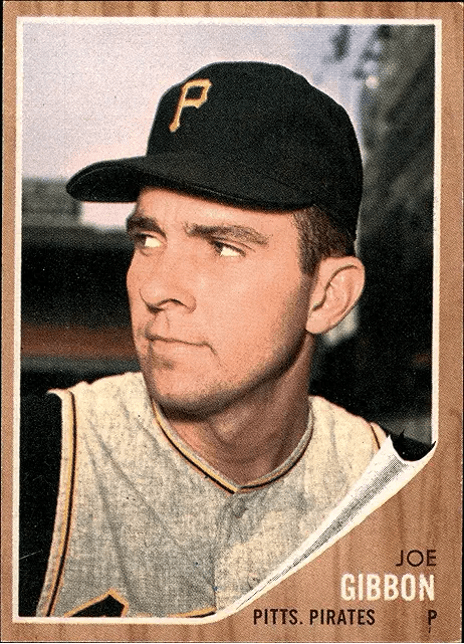
• Just a few days after the 1965 season ended, when they finished two games back in second place, the San Francisco Giants began to deal. They traded outfielder Matty Alou to the Pittsburgh Pirates for pitcher Joe Gibbon and infielder Ozzie Virgil. Gibbon, a relief pitcher, went 22-21, with 30 saves over the next seven seasons. Virgil hit .213 in 42 games for the Giants in 1966 and retired. How did Matty Alou fare? Over the next five seasons, Alou hit .342, .338, .332, .331 and .297 for the Pirates. He averaged 199 hits per year and won the National League batting title in 1966.


• The Giants blundered again on November 29, 1971 when they swapped pitchers with the Cleveland Indians. San Francisco sent Gaylord Perry to Cleveland in exchange for “Sudden” Sam McDowell. The change of scenery set well with Perry. He immediately went out and won the American League Cy Young Award for the Indians. Over the next three years, he won 24, 19 and 21 games per season en route to the Hall of Fame. Meanwhile, McDowell went just 19-25 over the next four years and “Sudden” Sam was suddenly out of baseball at age 33.
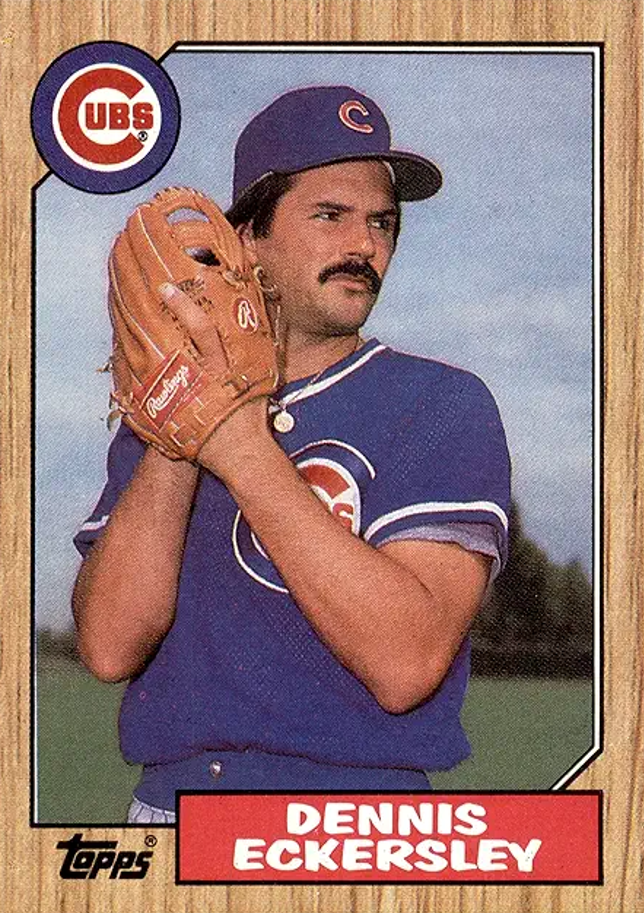

• In April 1987, the Chicago Cubs traded pitcher Dennis Eckersley to the Oakland A’s for three minor leaguers who never amounted to anything. Eckersley changed from a starter to reliever and for more than a half-dozen years was the Sandy Koufax of bullpen artists – helping Oakland reach the World Series three times during that period.
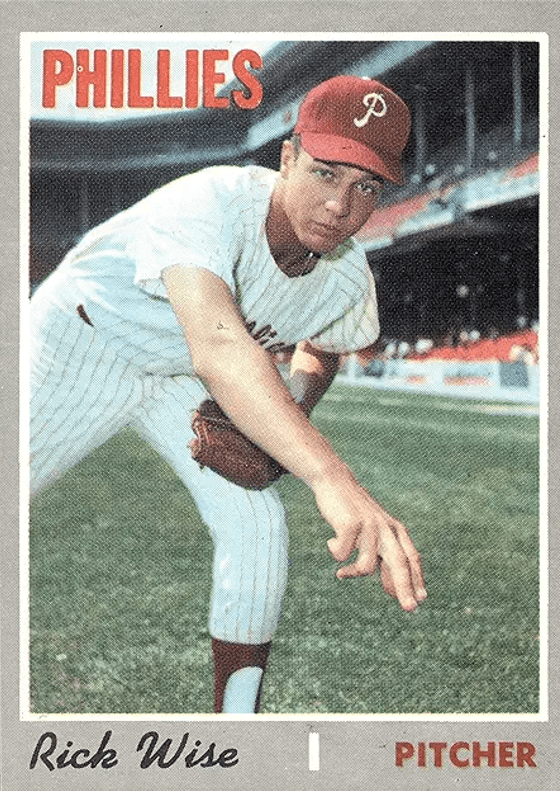
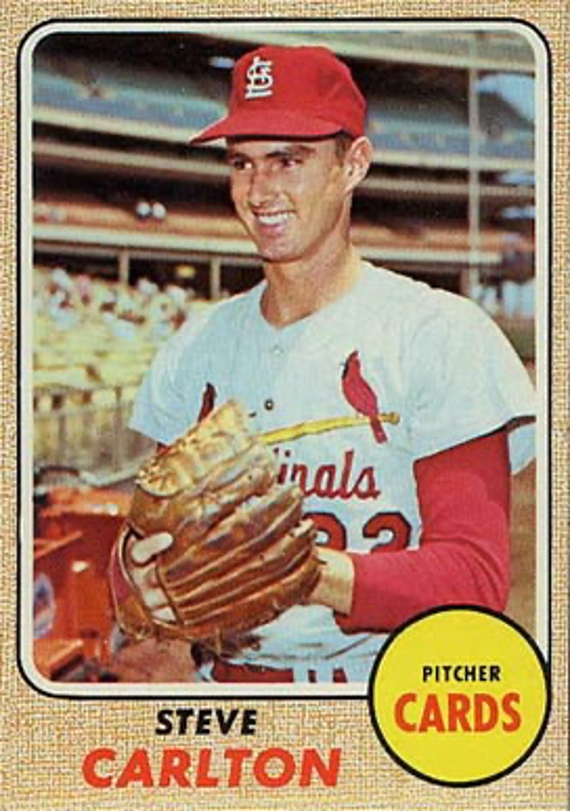
• The St. Louis Cardinals and Philadelphia Phillies exchanged pitchers on February 25, 1972. The Cards sent Steve Carlton to the Phils for Rick Wise. Wise went on to have an adequate pitching career. Carlton went on to become one of the best left-handers in history. During the remainder of his career, Wise won 15 or more games four times, including 16 twice for the Cards in 1972-73. On the other hand, Carlton went on to win 15 or more games 10 times. He went 27-10 in 1972, en route to the first of four Cy Young Awards. His 329 lifetime wins earned him a plaque in Cooperstown.
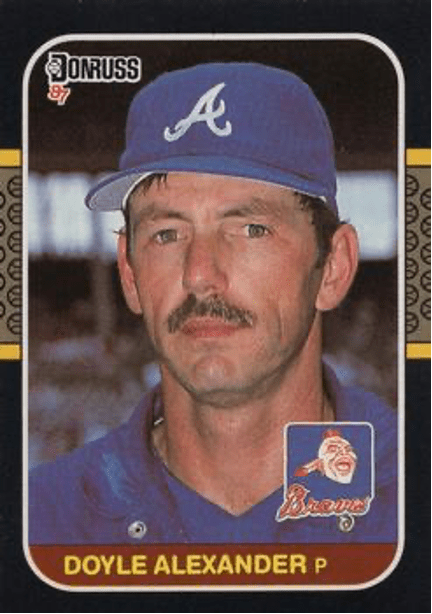

• Here’s a classic dilemma: To trade or not to trade for a short-term gain, but with potential for long-term negative consequences. On August 12, 1987, the Detroit Tigers faced such a situation. They were battling for the American League East title and needed pitching. Therefore, the Tigers traded a minor league pitcher named John Smoltz to the Atlanta Braves for veteran hurler Doyle Alexander. After arriving in Detroit, Alexander went 9-0 in 11 games, posting a 1.53 ERA and the Tigers won the East (only to lose to the Twins in the playoffs). Over the next two years, Alexander went 20-29, with a 4.38 ERA for Detroit and retired. Smoltz, on the other hand, has contributed over 150 wins in 11 full seasons to Braves’ teams that have finished first year after year. Did the Tigers do wrong? Tough call.
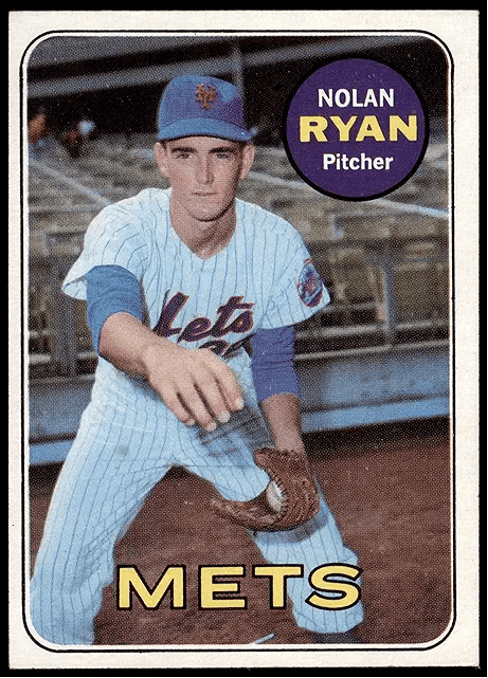
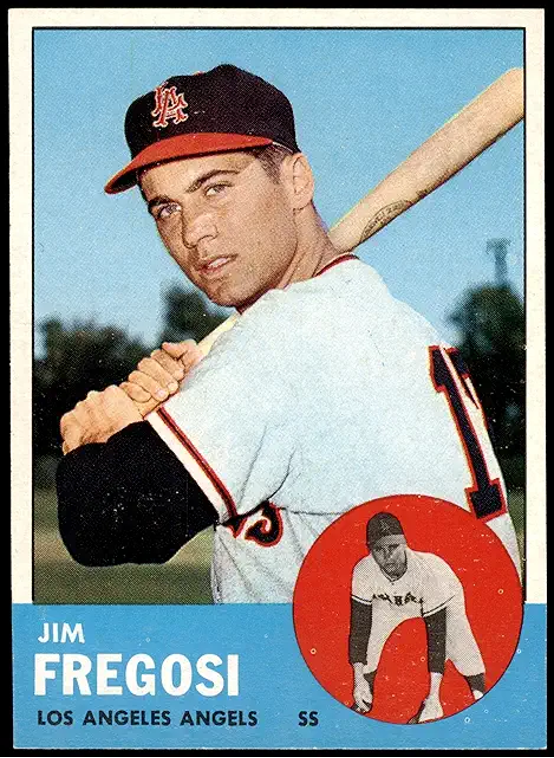
• What were the New York Mets thinking on December 10, 1971 when they traded Nolan Ryan and three others to the California Angels for shortstop Jim Fregosi? Granted, Ryan wasn’t “The Express” yet. He had gone 10-14 the previous year with a 3.97 ERA. But Fregosi? He was coming off a .233 season, with just 33 RBIs in 107 games. Yes, in previous years he was decent, but he would soon be 30 years old. Ryan would shortly turn 25. Perhaps the most surprising thing was the Mets threw in three other players along with Ryan. No way was Fregosi worth that. Ryan, of course, went on to a record-setting Hall of Fame career.

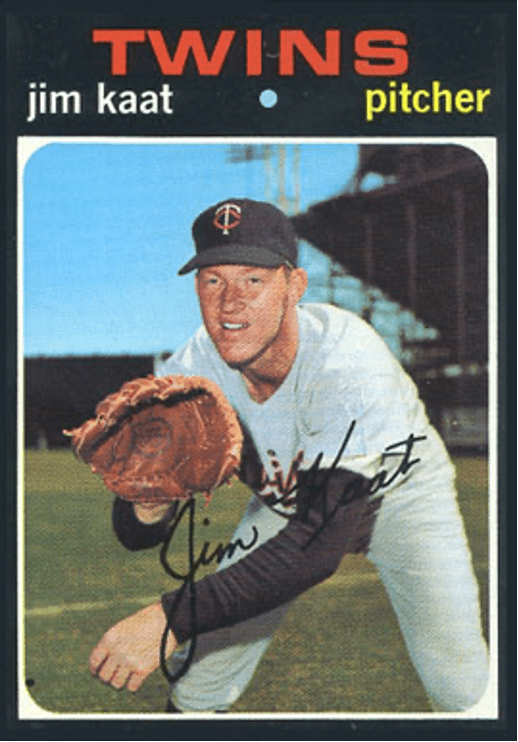
• Two Twins trades stand out. The first involved veteran southpaw pitcher Jim Kaat. Twins owner, the late Calvin Griffith, decided in August 1973 that he needed cash and, therefore, sold Kaat to the Chicago White Sox. Never mind that Kaat was the anchor of the Twins staff since the early 1960s. At least Griffith could have gotten something more than cash. In his first two seasons with Chicago, Kaat posted records of 21-13 and 20-14, with ERAs of 2.92 and 3.11. He spent another 10 years in the majors.
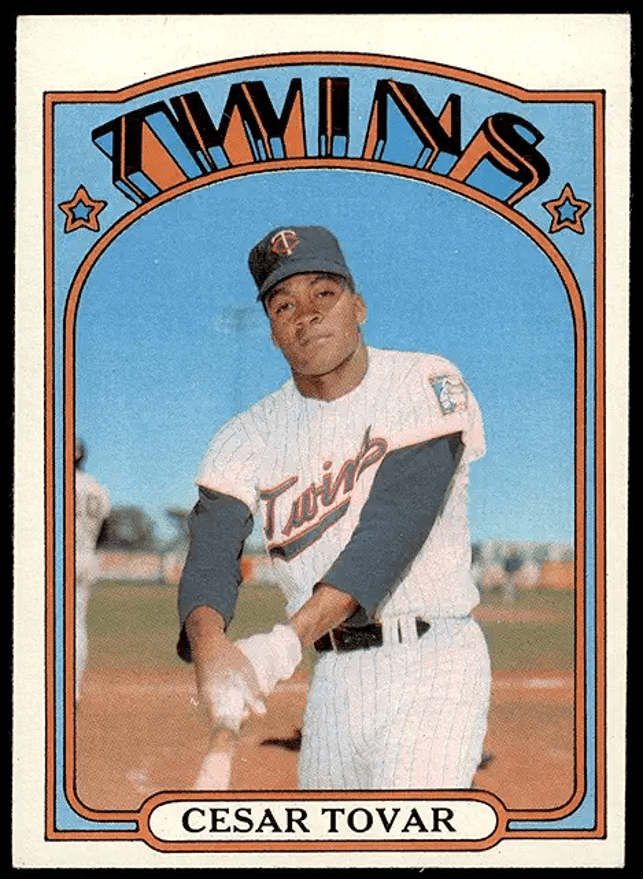
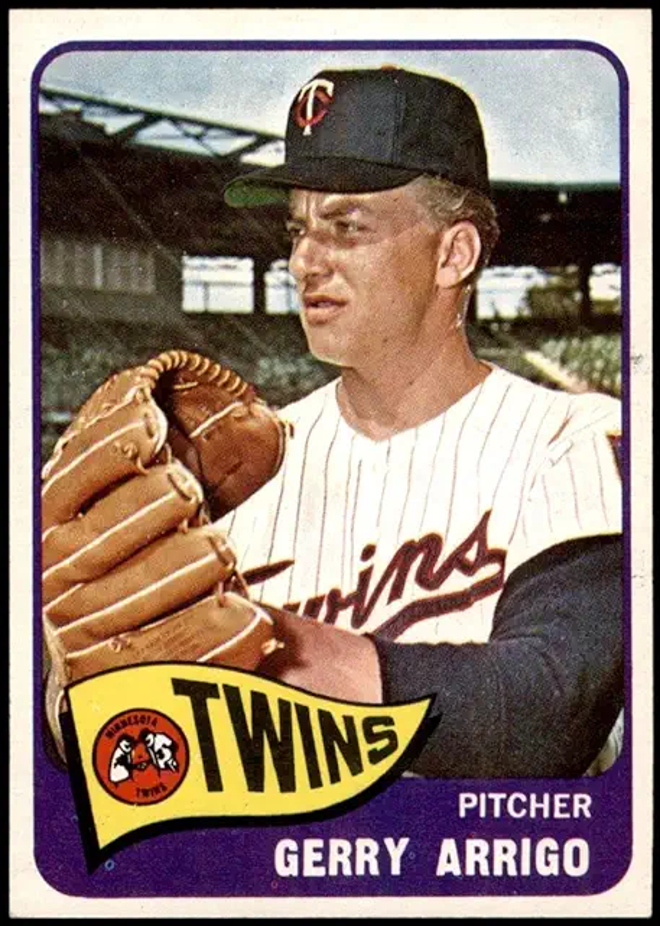
• The second Twins trade is on a brighter note. In fact, Calvin Griffith once said this was the best deal he ever made. On December 4, 1964, the Twins dealt relief pitcher Jerry Arrigo to the Cincinnati Reds for minor league infielder Cesar Tovar. Although Tovar didn’t become a regular until 1966, he proved to be an invaluable asset. He could play second base, shortstop, third base and the outfield. (In fact, as a stunt he once played all nine positions in one game.) But he was more than a utility man. He was an offensive sparkplug. From 1967-71, Tovar averaged 159 games and 621 at-bats per season. At varying times, he led the league in at-bats, hits, doubles and triples. Arrigo ended up playing parts of 10 seasons, going 35-40, with a 4.14 ERA.
Like the old song says, “You gotta know when to hold ’em and know when to fold ’em.”
• • • • • •
• Originally Published in Nov. 1999 “Twin Times” •
THIS ARTICLE FROM THE “TWIN TIMES” NEWSLETTER – OFFICIAL PUBLICATION OF THE TWIN CITIES SPORTS COLLECTORS CLUB – IS REPRINTED WITH THE PERMISSION OF THE AUTHOR. IT HAS BEEN RETYPED, BUT NO CONTENT HAS BEEN CHANGED (EXCEPT FOR VERY MINOR ADJUSTMENTS, CORRECTIONS TO ANY TYPOGRAPHICAL ERRORS AND THE ADDITION OF GRAPHICS). COMMENTS OR INFORMATION IN THE ARTICLE MAY BE OUT-OF-DATE.
To keep up-to-date on additions to BaseballCardFun.com, subscribe below*
* Your email address will never be shared and is only used to announce new articles
 BaseballCardFun.com