


BY TROY KIRK


Some of the most interesting baseball card sets consist of cut-out cards. Cut-out cards are those that are designed to be cut from a product package with a pair of scissors.
There have been a lot of sets issued in this way, with probably the most popular ones being the Post cereal sets from 1961 to 1963 and the Hostess snack cake sets from 1975 to 1979.
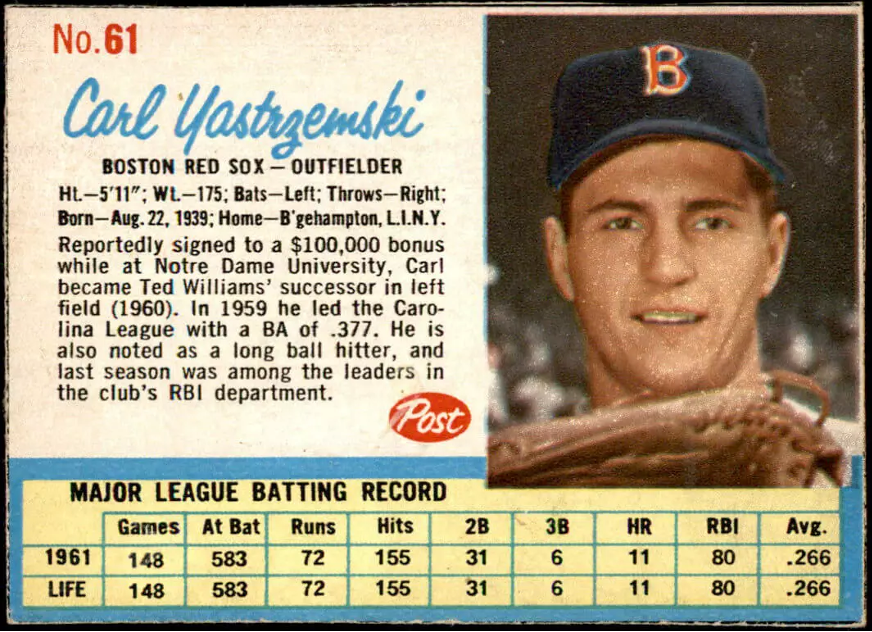
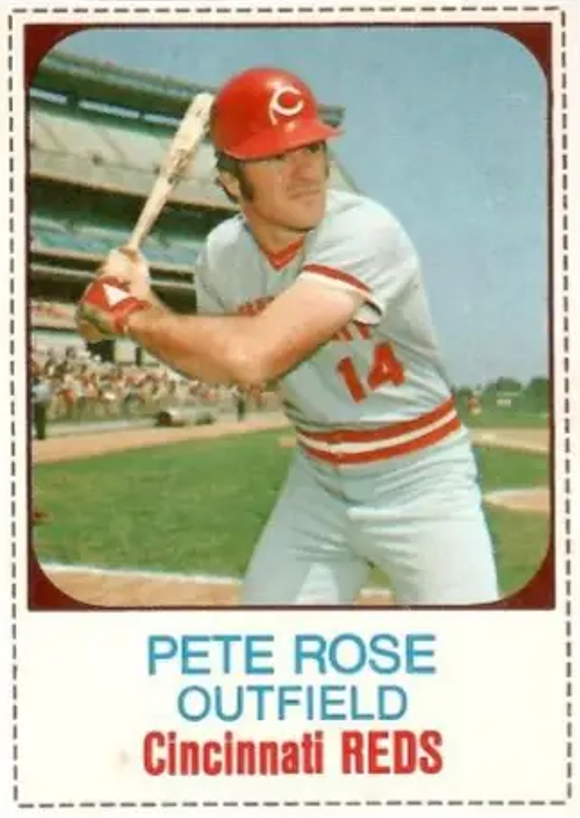

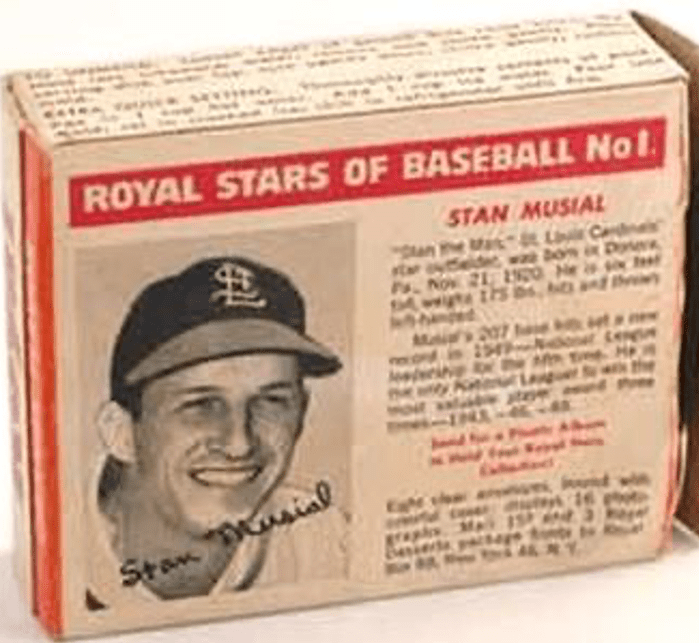
Cut-out card sets have been around for a long time. The Darby chocolate set from the 1910 era consists of baseball player pictures on the fronts and backs of candy boxes.
Wheaties cereal included complete back panels of baseball player photos in the 1930s and issued more traditional-sized baseball cards to be cut off their boxes in 1951 and 1952.
From 1949 through 1951, cards were printed on the backs of boxes containing Royal Desserts.
A few other early sets also had to be cut off boxes, but the sets that really put cut-out cards on the map were the Post cereal sets of the early 1960s.
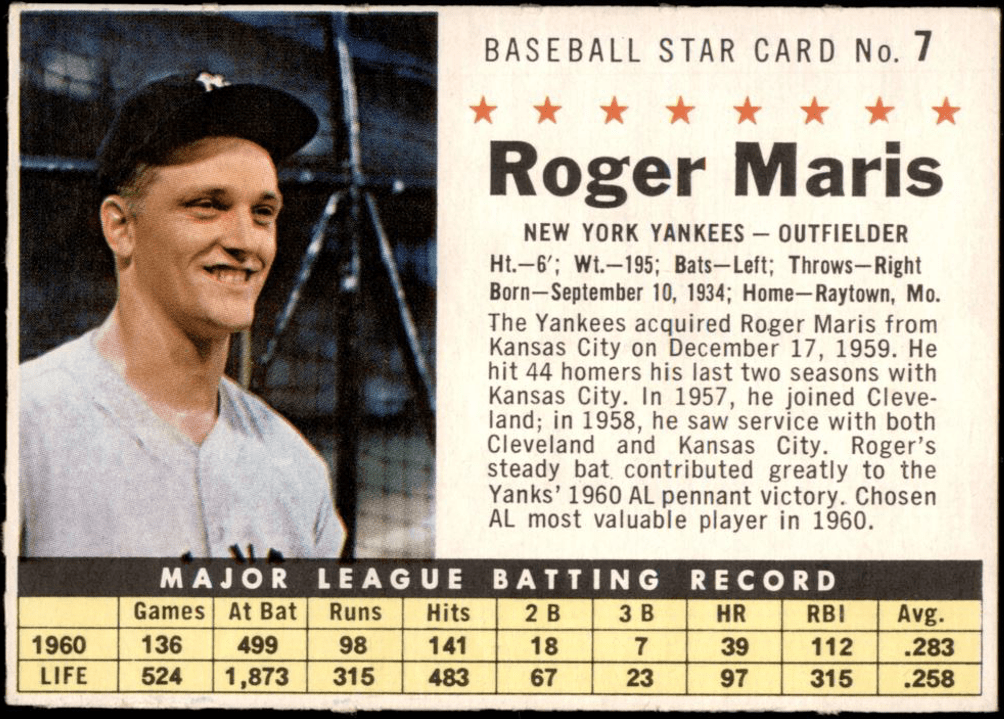
After issuing a small set of large-size cards on their box backs in 1960, Post issued a 200-card set of baseball cards on the backs of their cereal boxes in 1961. This was a very ambitious offering, and was widely accepted and collected at the time of issue.
Post issued new 200-card sets in 1962 and 1963 which were also popular. One of the reasons for the popularity of the Post sets is that they were the largest baseball card sets issued by somebody other than Topps from 1956 to 1980.
In 1962 and 1963, Jell-O issued cards on its boxes that were similar, if not almost identical to the Post cereal cards.

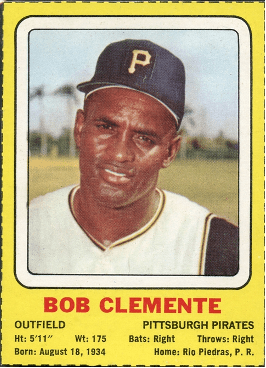
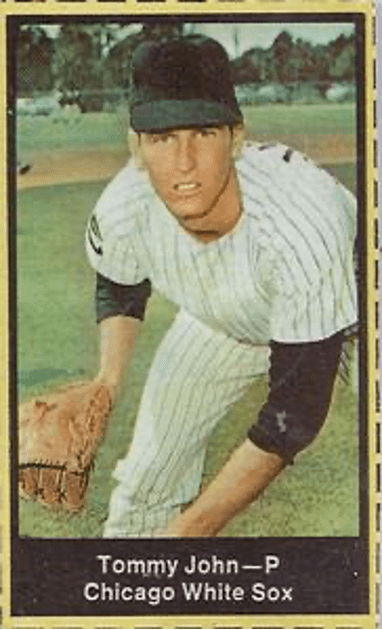
Some other cut-out card sets were issued from the late 1950s through the early 1970s, including most of the Bazooka sets from 1959 through 1971, the Transogram sets from 1969 to 1971, the Nabisco set from 1969, and the Milk Duds set of 1971. Cards from these sets are fairly difficult to find today.
The next big cut-out sets to come along were the Hostess sets from 1975 to 1979. These sets each contained 150 cards and were popular with collectors, though not as popular as the Post cereal cards of the 1960s. The Hostess sets were notable in that they were the first cut-out cards to contain writing on the back. The earlier cut-out cards were all blank-backed, though they sometimes contained statistics and biographical text on the fronts.
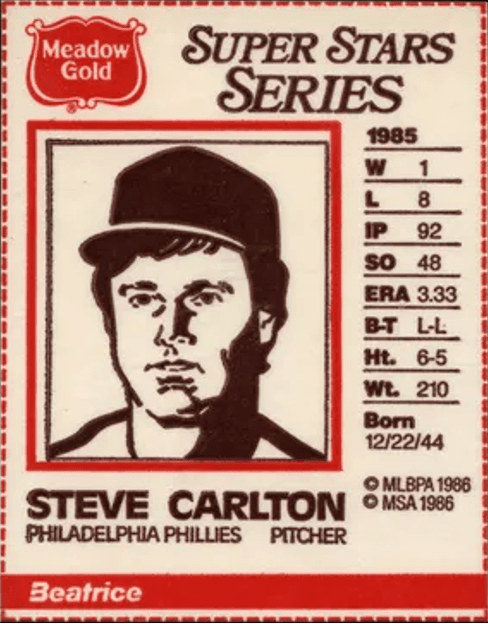
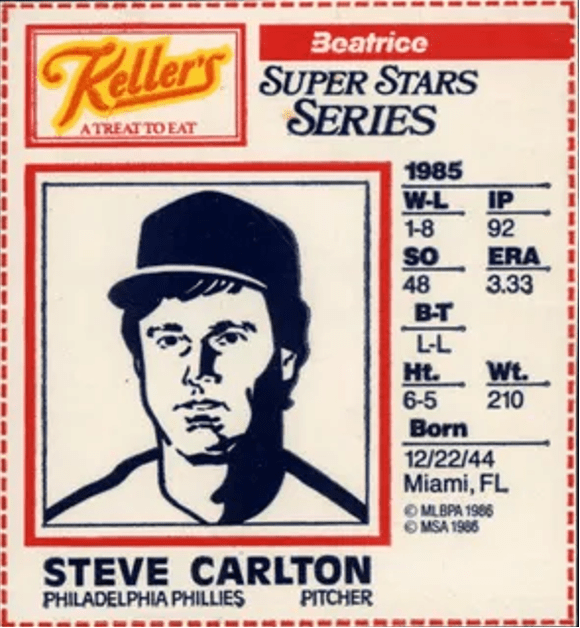
Cut-out cards issued during the 1980s include Drake’s cakes sets from 1986 to 1988 (but not the Drake’s sets from 1981 to 1985), the Nalley’s potato chips Mariners set of 1983, the Meadow Gold Milk set of 1986, the Keller’s butter Phillies set from 1986, the Kraft macaroni set of 1987, and the many baseball card box bottoms from Donruss, Topps, Fleer and Score that have appeared from 1985 to the present.

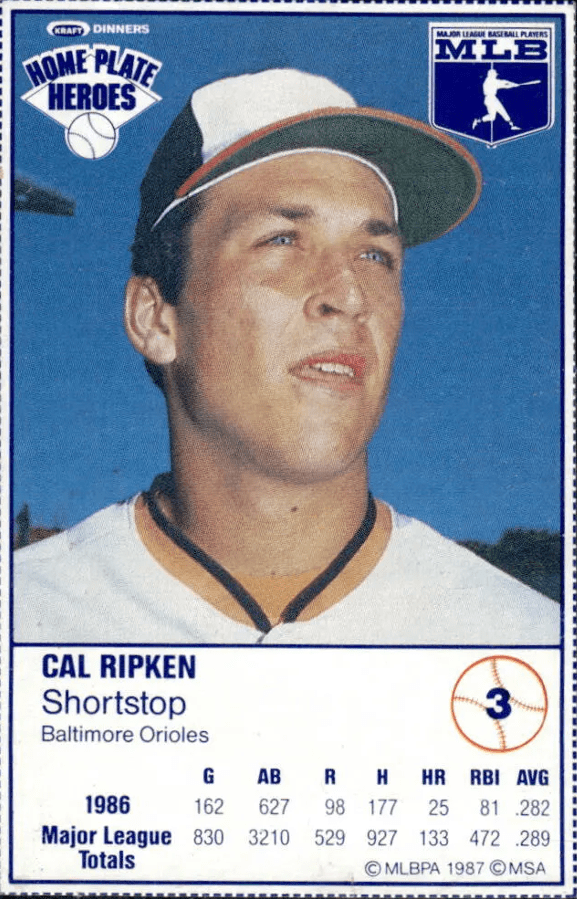
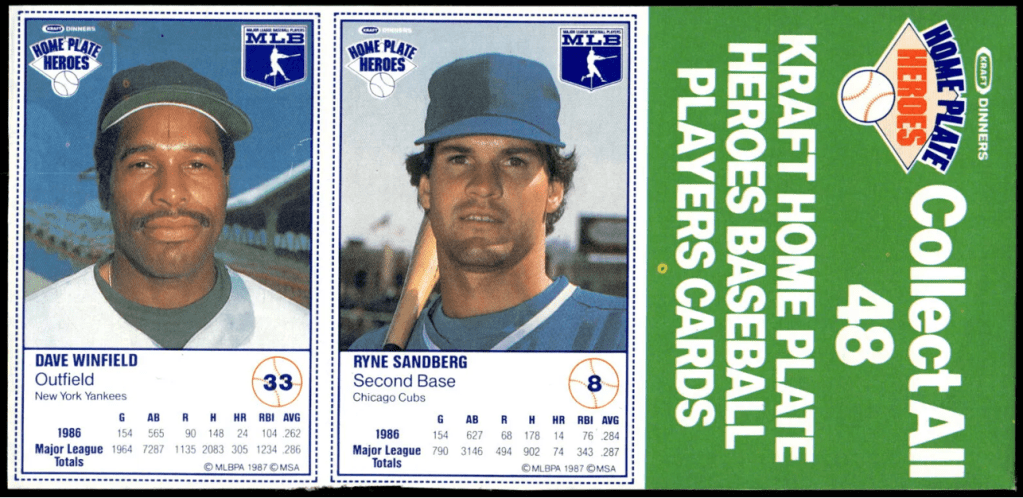
Cut-out cards have always survived in smaller quantities than other cards issued in the same years. There are several reasons for this. One is that the cards are issued as part of the packaging for a product. People buying the product often throw out the packaging unless they have a specific interest in the cards, thereby lowering the quantity of surviving cards. It is also a pain to have to cut them off a box. Some people who would save cards inserted into a product package would not bother cutting them off a box.
Another reason for the scarcity of cut-out cards is that card collectors have never been able to accumulate as many cut-out cards as packaged cards because of the cost. The price of a package of Hostess snack cakes containing three cards in the 1970s was about a dollar, meaning it cost about 33 cents per Hostess card at the time of issue. At the same time, Topps baseball cards could be purchased for about a penny each.
Even if collectors were willing to pay 33 cents a card for the Hostess cards, there was still the psychological factor of having to deal with mountains of Hostess Twinkies, Ding Dongs, Ho Ho’s, and other snack cakes. It was difficult to throw away these cakes, and equally difficult to find the storage space for them. Eating them was another option, but after consuming 50 boxes of snack cakes to get a complete set of cards in 1975, few collectors could stomach the effort to get complete sets for the next four years.
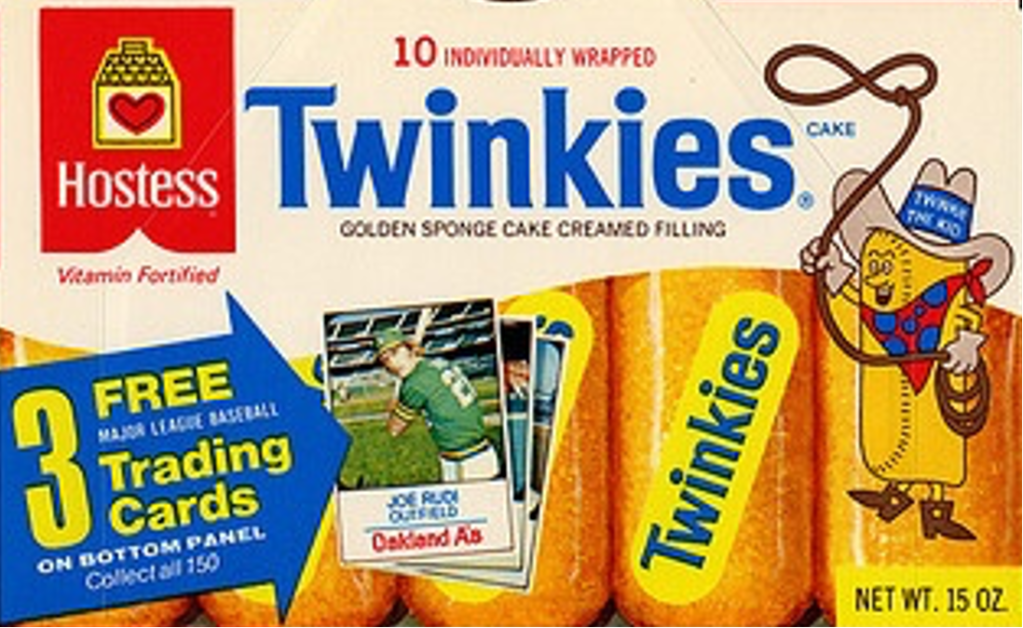
Still another reason for the scarcity of cut-out cards is that they have not found their way into the hands of card dealers in very large quantities. The previously mentioned scarcity factors contributed to this, but the main reason is that the companies that have issued cut-out cards have not usually dumped off remaining card stock to dealers at the end of the promotions.
When baseball cards are issued with various products, the issuing company usually orders a large batch of baseball cards from another company specializing in cards. If this large batch of cards is not all used up during the baseball card promotion, the company often sells the remaining cards to baseball card dealers, causing the available quantities of the cards to rise dramatically.
Cut-out cards are different from most card promotions, since they are a part of the product packaging. In most cases, the company issuing the cut-out cards has used the packaging exclusively for the promotion, and has not sold unused packaging separately to baseball card dealers.
It is very difficult to find cut-out cards in top condition. Most cut-out cards are found on the bottom or back of a product’s packaging. When products are shipped and placed on a store shelf, the boxes tend to rub against each other and against the shelf. This causes many cards to become scuffed or scratched even before they are sold.
Other boxes are creased or cut, causing more damage to the cards. Careful collectors who search to find the best packages can still get burned by careless checkout clerks. Some collectors do not let checkout clerks handle their precious boxes, but this is becoming more difficult as the clerks at most stores must pull the boxes through a UPC code scanner to ring up the price.
Assuming a box has survived in good shape from the manufacturing plant to the store to somebody’s home, there’s still the problem of cutting the cards off the box. Cards can easily be creased or miscut during this process, and the cards are often positioned near the box edges to make things more difficult.

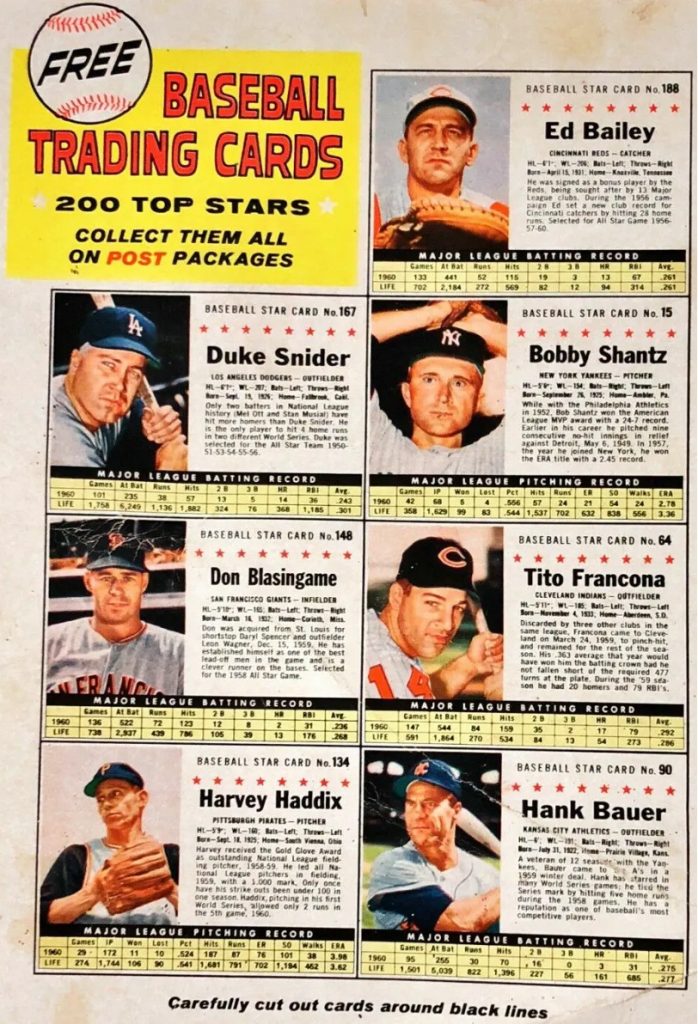
Front & Back of 1961 Post Cereal box
Some cards have been positioned directly beside the next card, making it very hard to cut them apart cleanly. The 1961 Post cards were positioned in this way so that one bad cut would result in two damaged cards. Even though a little care can usually produce well-cut cards, many of the cutters have not taken the time to cut very carefully. A lot of cards show evidence that a hurried mother cut the cards off the box for her son, or a child who hadn’t mastered the art of cutting a straight line had performed the cutting.
There has been some controversy about whether the cards should even be cut off the boxes. Complete boxes that have survived usually command a significantly higher price than the sum of the cards when cut off the box.
Collectors of Hostess cards were advised by the hobby papers at the time of issue to cut the cards in panels instead of individually. The reason for this is still unclear to me, though Hostess cards in panels are probably as easy or easier to find today than those cut into individual cards, as they were meant to be cut.
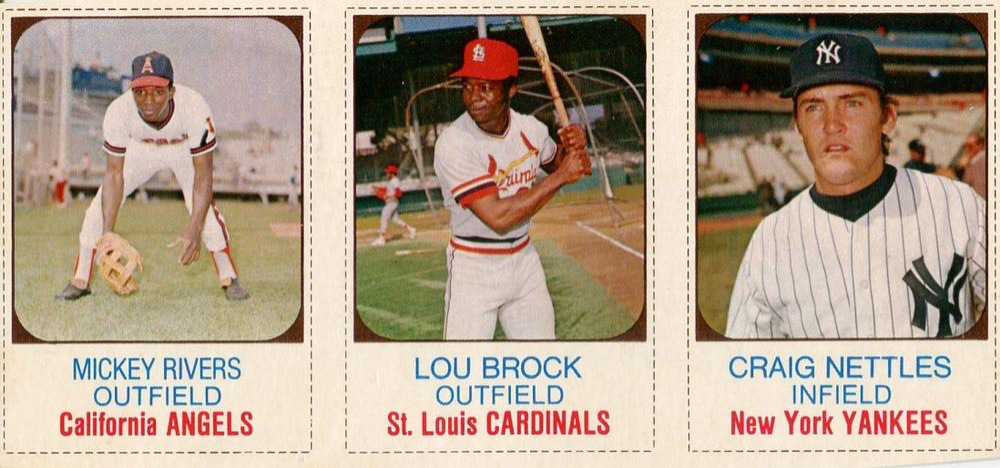
1975 Hostess complete panel (on box bottom)
Cut-out cards have been shunned for the most part by investors, because of their general scarcity and the difficulty of finding large lots in mint condition. For this reason, prices have remained relatively low for these cards in relation to their scarcity. For example, a 1975 Hostess card of Robin Yount is listed at $30 in the 1992 Sport Americana Baseball Card Price Guide while a 1975 Topps Yount is listed at $195. The Topps card is many times more common than the Hostess card, but the Topps price is higher because of investor interest.
For a fun and still somewhat affordable segment of card collecting, consider collecting cut-out cards. But be prepared to have to search for them, because accumulating a large collection is a lot of work. You might have to assemble a collection a few cards at a time, but if you have some patience, you will be rewarded with an interesting and uncommon collection.


• • • • • •
• Originally Published in Sep. 1992 “Baseball Hobby News” •
THIS ARTICLE FROM “BASEBALL HOBBY NEWS” MAGAZINE IS REPRINTED WITH THE PERMISSION OF BOTH THE EDITOR/PUBLISHER AND THE AUTHOR. IT HAS BEEN RETYPED, BUT NO CONTENT HAS BEEN CHANGED (EXCEPT FOR VERY MINOR ADJUSTMENTS, CORRECTIONS TO TYPOGRAPHICAL ERRORS AND CHANGES TO GRAPHICS). COMMENTS OR INFORMATION IN THE ARTICLE MAY BE OUT-OF-DATE.
To keep up-to-date on additions to BaseballCardFun.com, subscribe below*
* Your email address will never be shared and is only used to announce new articles
 BaseballCardFun.com