
BY MARK A. LARSON
January 1, 1980.
Jimmy Carter was President. American hostages were being held captive in Iran. The Russians had just invaded Afghanistan. M*A*S*H was still near the top of the weekly Nielsen TV ratings. The No. 1 song in the nation was “Escape (The Pina Colada Song)” by Rupert Holmes. The Pittsburgh Pirates were the World Champions of baseball. And Topps Chewing Gum was the only major manufacturer of baseball cards.
The 1990s are here and our hobby hardly resembles what it looked like 10 years ago. Just think back a minute. There were no Fleer, Donruss, Score or Upper Deck baseball cards. No National Convention had ever been held. Price guides were just coming on the scene. Baseball Hobby News wasn’t even a year old. There were virtually no card shops. Shows were far and few between. And hardly anyone gave a rip about a player’s rookie card.
1980s
The 1980s firmly established sports memorabilia collecting, particularly baseball cards, as the fastest-growing hobby in America. But what were the major influences and events that led to the widespread (mainstream) acceptance of the hobby? After all, when the ’80s began, adult collectors of baseball cards were still “kooks” reliving their childhood. Now, it’s almost become the “in” thing to do.
Here, in no particular order, is a review of the major things that helped shape the hobby during the 1980s:

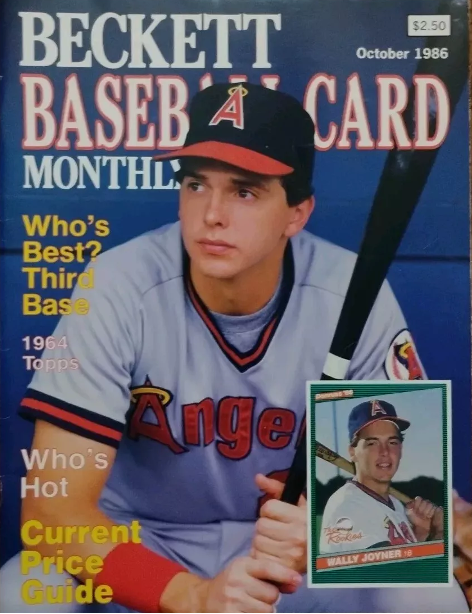
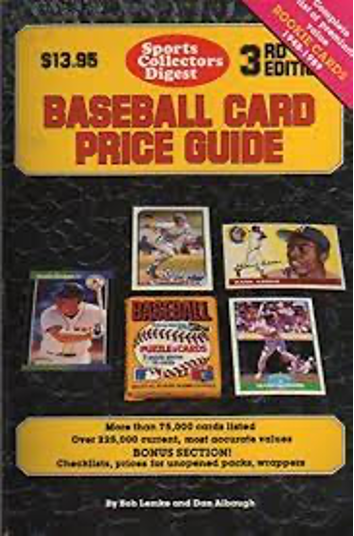
• PRICE GUIDES: With the establishment of price guides, the financial foundation of the sports memorabilia hobby was set. What this meant was, baseball cards now had a widely-accepted, standard (except possibly for some regional differences) “value.” It took much of the guesswork out of establishing a price; made trades of “equal value for equal value” easier; and maybe most importantly, let the world know that sports memorabilia collecting was becoming a legitimate pastime.





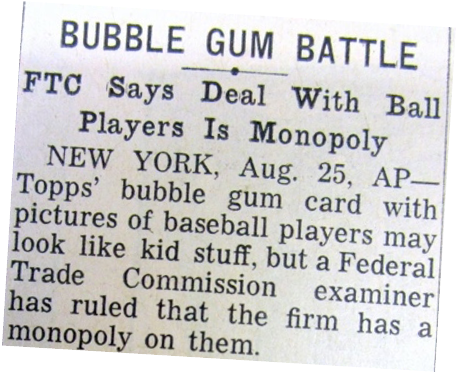
• TOPPS’ MONOPOLY: The court decision in 1980 that ended Topps’ baseball card monopoly created obvious immediate, and profound, changes in the hobby. The spring of 1981 saw the emergence of Fleer and Donruss as big-time competitors to Topps. Eventually, the increased competition would force all card manufacturers to improve their products and the diversity in cards would attract numerous new collectors. That court case 10 years ago, is still being felt today with the entrance of Score and Upper Deck into the field.
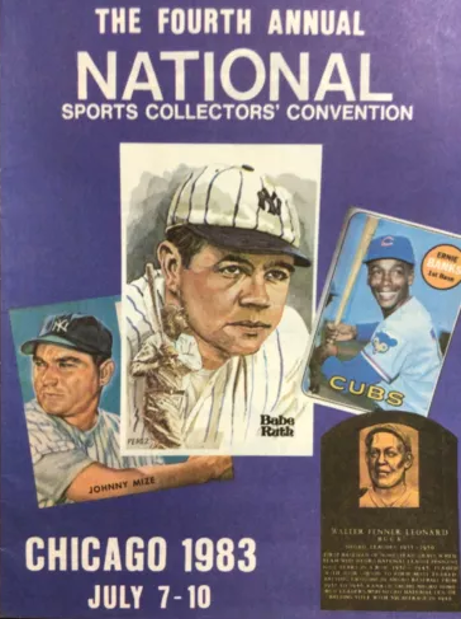

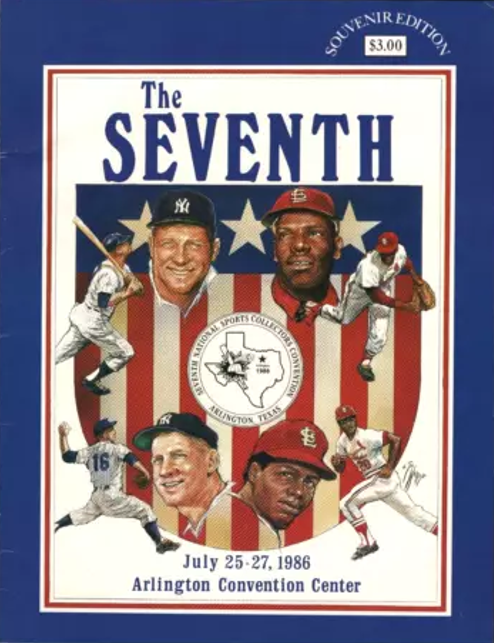
• NATIONAL CONVENTION: The first National was held in the summer of 1980 in the Los Angeles area. The importance of the National Convention cannot be overstated. During the 1980s, the National has helped focus attention on sports memorabilia collecting. The National has generated coverage by the mass media and brought corporate America into the hobby. Corporate sponsorship of the National, including participation by some of the major card companies, has transformed collecting from a “fringe” activity to mainstream.

• MEDIA COVERAGE: In addition to the media coverage of the National Convention, television, radio, magazine and newspaper stories about baseball cards have steadily increased every year throughout the country. Like the old snowball effect, each news story brings new people into the hobby, and more people in the hobby generates increased news coverage.
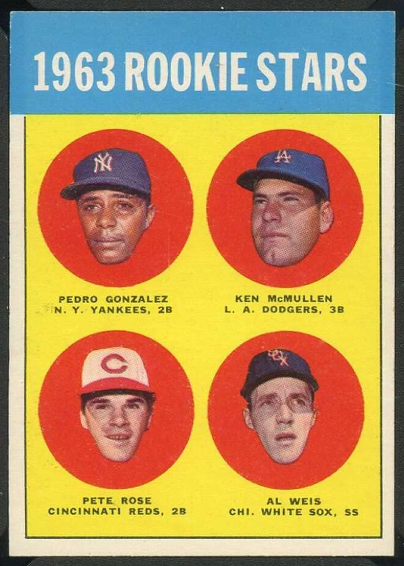
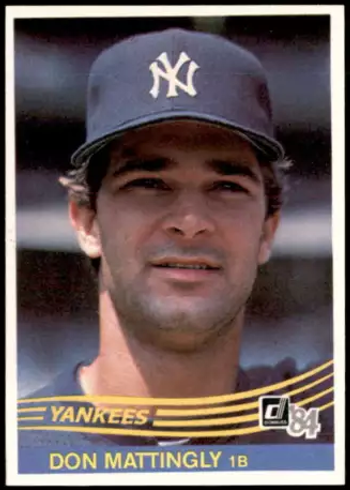
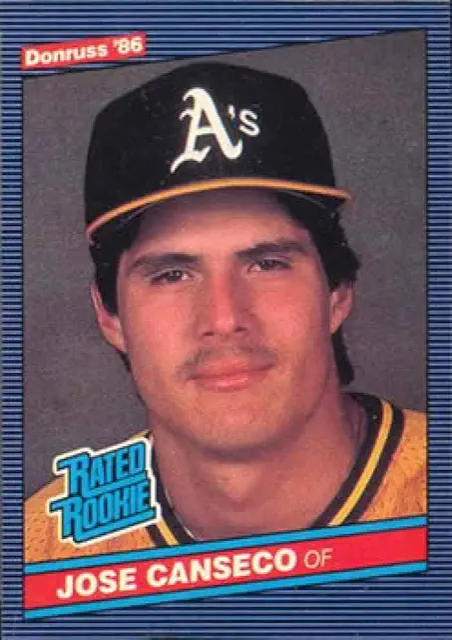
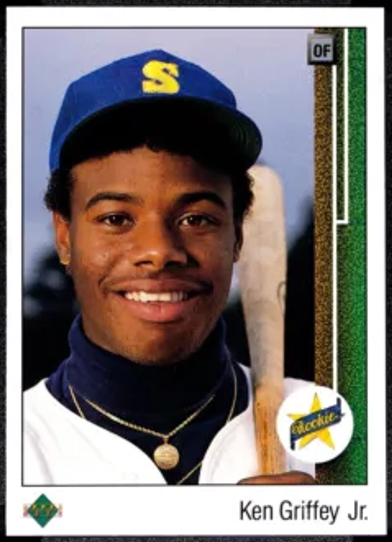
• ROOKIE CARD MANIA: Like it, or not, the over-emphasis on rookie cards has fueled hobby growth. Maybe the rookie card fanatics aren’t the same as the old-time set collectors. But they have played a key role in keeping interest alive in sets and players that might otherwise have waned. And, we can’t forget the lure of possibly striking it rich when a 5-cent card suddenly jumps to $1, $5, $10 or more because of its status as that player’s “rookie card.”
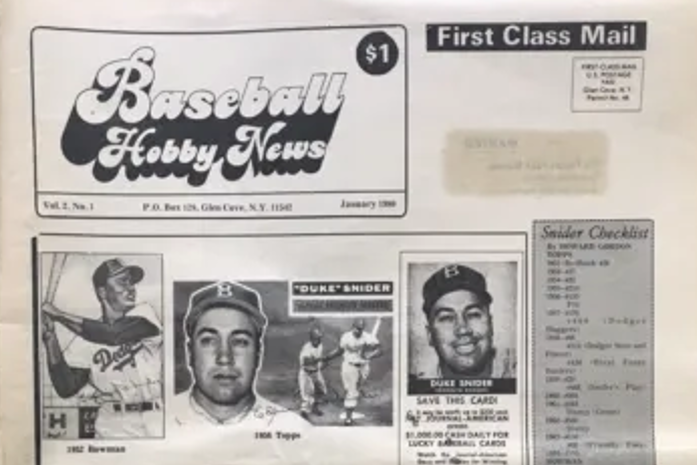
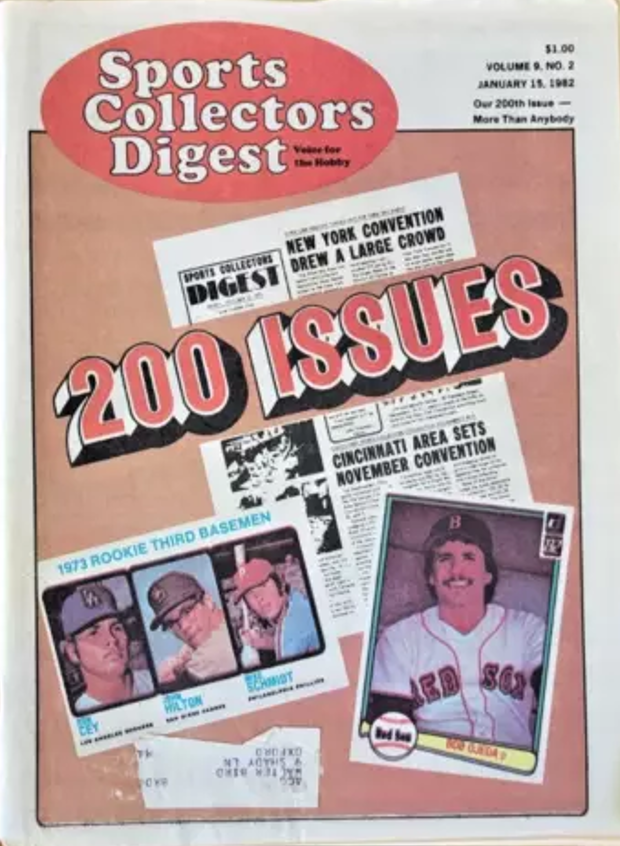
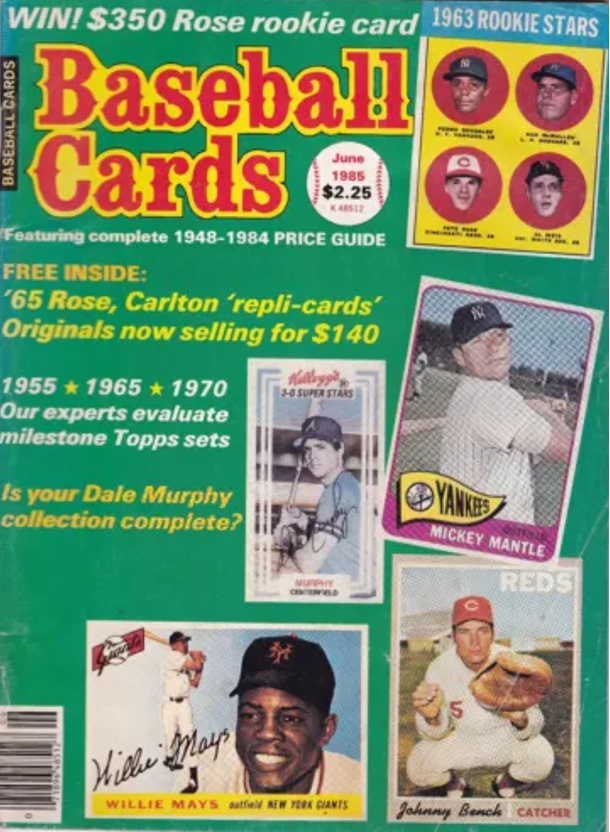
• PROFESSIONAL PUBLICATIONS: The 1980s have brought professionalism to sports collecting publications. During most of the pre-1980 era, hobby magazines were generally part-time ventures by collectors. Yet, during the past decade, Baseball Hobby News, Krause Publications and others have become high-quality periodicals that continually keep hobbyists’ interest in collecting at a high point. Circulations have shot up, and the appearance of many card-collecting magazines on general newsstands has spurred interest with the non-collecting public.


• MORE STORES/SHOWS/DEALERS: A sports memorabilia store? In early 1980, there was hardly a handful of stores nationwide. Now, nearly every town of any significant population has one. Ditto with shows, dealers who work out of their homes, mail-order businesses, etc. Ten years ago, there might have been two or three shows annually in a large city. Today, there might be two or three on the same weekend, and not just in metropolitan areas. Again, as with other evolutionary factors in the hobby’s growth during the 1980s, each new store and/or show introduces new people to the hobby and fuels its growth.
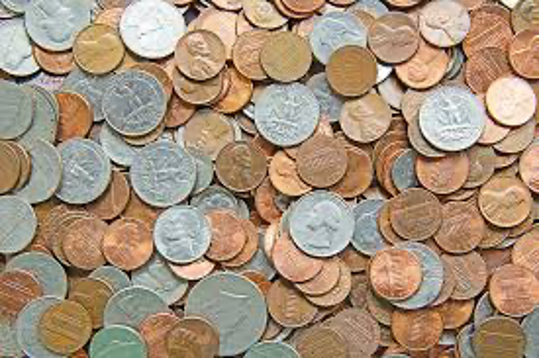

• ENTRANCE OF COIN DEALERS: The influx of coin-dealers-turned-card-dealers has generated some controversy. It has brought a lot of new money into the hobby, which can be good or bad, depending on your perspective. But perhaps the biggest influence of those involved in the coin hobby is yet to come: changing or standardizing the card grading system (including an increase in grading services).

• STOCK MARKET CRASH: The October 1987 stock market crash hurt some investors badly. But many, including a lot of so-called “yuppie” investors, simply took their losses, licked their wounds and moved thousands of dollars into baseball cards. This infusion of cash breathed additional life into the hobby and helped continue the upward movement in prices. It was unprecedented and may never take place again.
That’s what happened in the 1980s. What about the hobby in the 1990s?
I’m often asked: Is the hobby just a fad? Will prices crash, etc.? I gave up crystal ball gazing a long time ago, but some things are obvious.
Sports memorabilia collecting is different from other traditional hobbies such as coin or stamp collecting. Ours is based on the love of sports, particularly baseball. Baseball has been around for 150 years and it is more popular than ever.
1990s?
Strikes, salary disputes, gambling controversies, drug abuse and so on has not diminished interest in baseball. That great attachment to the National Pastime forms a solid foundation for the hobby. As long as there are baseball fans, there will be a solid baseball-related hobby.
As for card prices, the market will be the ultimate determining factor. I’ve always maintained the strength of the hobby follows national economic trends. When there are good times, disposable income gets spent on “unnecessary” items such as sports memorabilia. This has happened over the past seven years or so. In the early ’80s, the country was in a recession and so was the hobby.
We may eventually see a leveling off of card prices, but it is highly doubtful – with older cards anyway – that we’ll see a “crash.”
Sports collecting is like any other thing where market forces are at work: There will always be ups and downs.
Over the long haul, however, we’re bound to see steady – if not necessarily spectacular – growth.
See you on January 1, 2000 …
• • • • • •
• Originally Published in Jan. 1990 “Baseball Hobby News” •
THIS ARTICLE FROM “BASEBALL HOBBY NEWS” MAGAZINE IS REPRINTED WITH THE PERMISSION OF BOTH THE EDITOR/PUBLISHER AND THE AUTHOR. IT HAS BEEN RETYPED, BUT NO CONTENT HAS BEEN CHANGED (EXCEPT FOR VERY MINOR ADJUSTMENTS, CORRECTIONS TO TYPOGRAPHICAL ERRORS AND CHANGES TO GRAPHICS). COMMENTS OR INFORMATION IN THE ARTICLE MAY BE OUT-OF-DATE.
To keep up-to-date on additions to BaseballCardFun.com, subscribe below*
* Your email address will never be shared and is only used to announce new articles
 BaseballCardFun.com