
BY MARK A. LARSON
Our hobby has taken many unusual twists and turns over the pasts few years … skyrocketing prices, thousands of new collectibles, mass media coverage, shows almost everywhere. Perhaps, some hobbyists are becoming bored with their card collections or feel high prices have left them with nothing affordable to collect.
Yet as others have mentioned before, there are as many ways to collect baseball cards and other sports memorabilia as there are collectors.
If boredom has set in or you feel priced out of the market, consider spicing up your hobby fun with some of the following 15 baseball collecting ideas. I’ll wager that after reading this article, you’ll come up with several creative possibilities of your own.
— 1 —
— 2 —
— 3 —
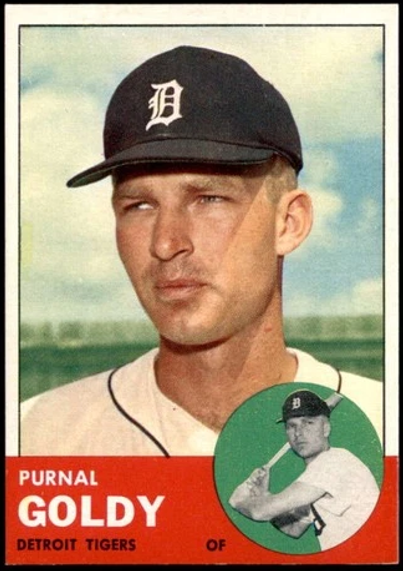
1. How about collecting cards of players who appeared on only one Topps card ever? Immortal names such as Mickey Micelotta (1954 Topps #212), Purnal Goldy (1963 Topps #516), and Win Remmerswaal (1981 #38) immediately spring to mind, right? An excellent reference for this endeavor (and others to be mentioned) is The Sport Americana Baseball Card Alphabetical Checklist by Jim Beckett.
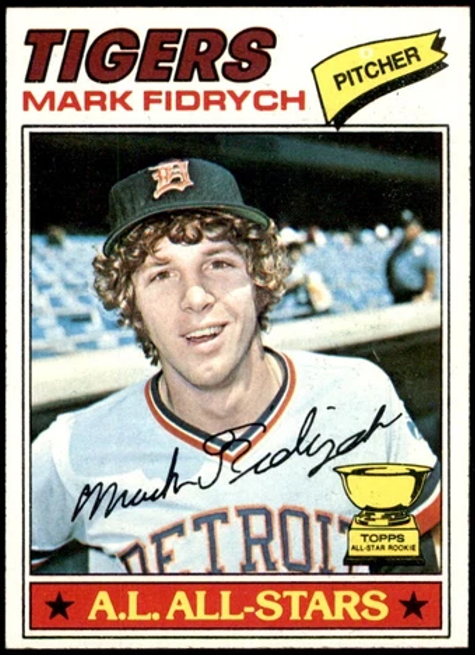
2. You could collect cards of players with your first name. In my case, this would include Mark Fidrych, Mark Lemongello (one of my favorite baseball names by the way) and Mark Salas. However, if your name happens to be Mickey, this type of collection could be expensive.
3. If you’re on a very strict budget, but want to collect cards going back many years, why not just collect “commons” (in a little lower grade). Some of these common players are more interesting than baseball’s greats. You could set a limit of 25 cents, 50 cents, or a dollar. If a card costs more, you can just pass it up.
— 4 —
— 5 —
— 6 —
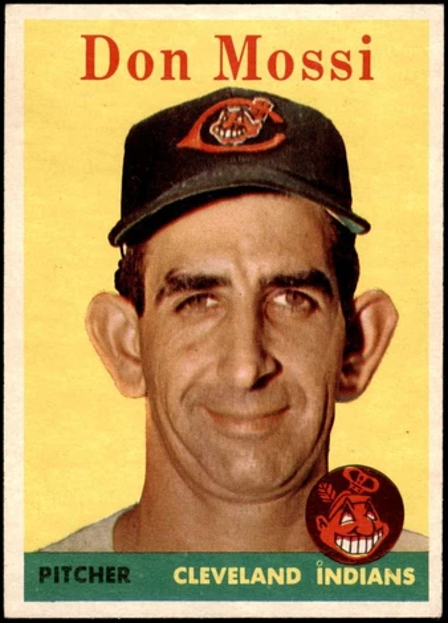
4. Try accumulating odd or goofy-looking cards. We all know about Don Mossi and the unusually large appendages attached to his head, Glenn Hubbard and his fondness for reptiles (1984 Fleer #182) and Jay Johnstone’s taste in headgear (1984 Fleer #495). Still, don’t forget about Tim Flannery’s surfin’ safari (1988 Fleer #582) or Kurt Bevacqua, the “Bubble Gum Blowing Champ” (1976 Topps #564).
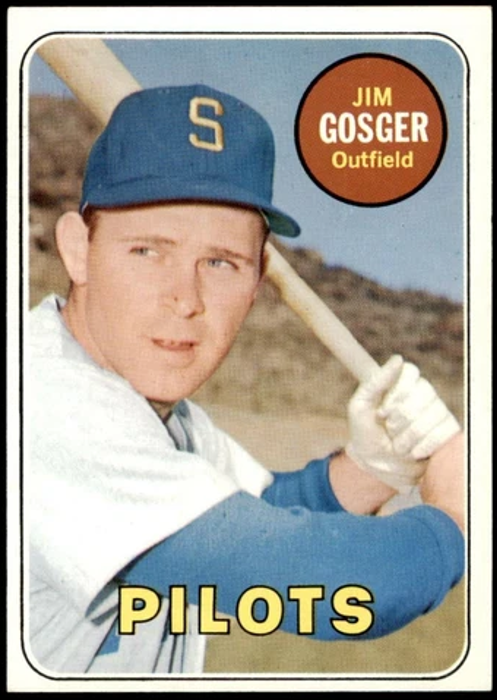
5. Collect cards of players on defunct teams such as the Kansas City A’s, Washington Senators, Brooklyn Dodgers, New York Giants, St. Louis Browns, Seattle Pilots, etc.
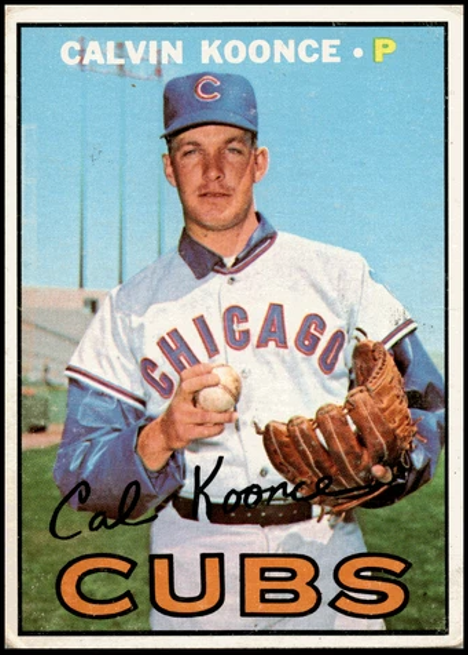
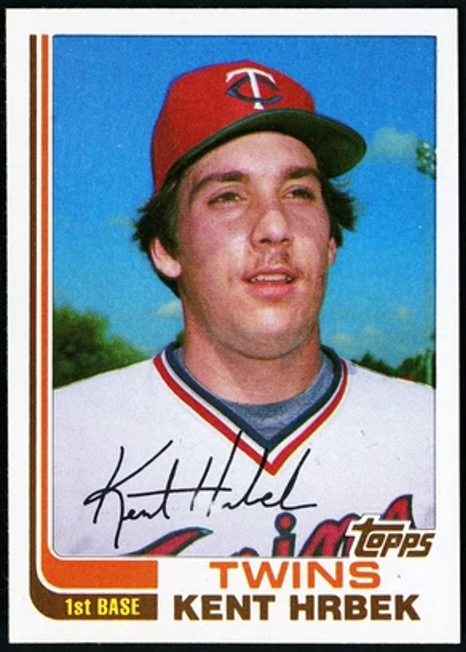
6. Collecting cards of players born in your home state can be interesting. Being a Minnesotan, if I were to collect in this way, I would have to include Hall-of-Fame pitcher “Chief” Bender, 200-game winner Jerry Koosman, Oakland A’s catcher Terry Steinbach, and Twins first-baseman Kent Hrbek. The Baseball Encyclopedia and The Sporting News Baseball Register are good references to use.
— 7 —
— 8 —
— 9 —
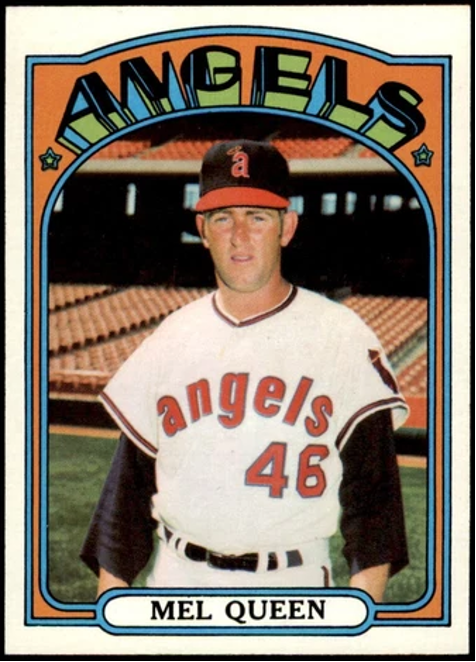
7. This may be a bit off-the-wall, but you could collect players whose names start with an obscure letter of the alphabet like Q, X or Z. This group would include guys like Mel Queen and Geoff Zahn.
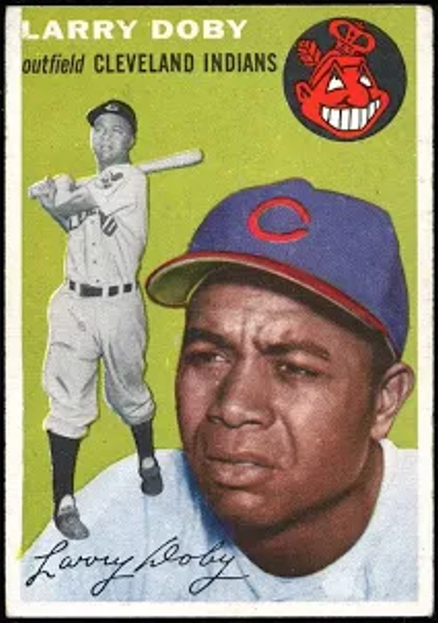
8. Cards of a certain minority group or nationality can be a challenge to collect. One hobbyist I know collects cards of the early black major leaguers … Satchell Paige, Monte Irvin, Jackie Robinson, Larry Doby, etc. There’s a West Coast collector who specializes in players from his homeland, Cuba.
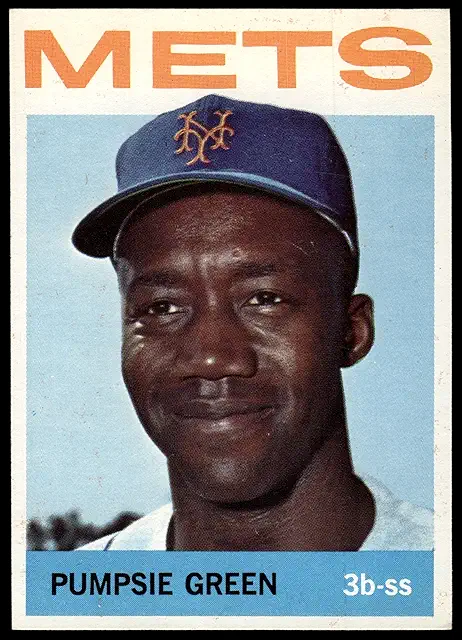
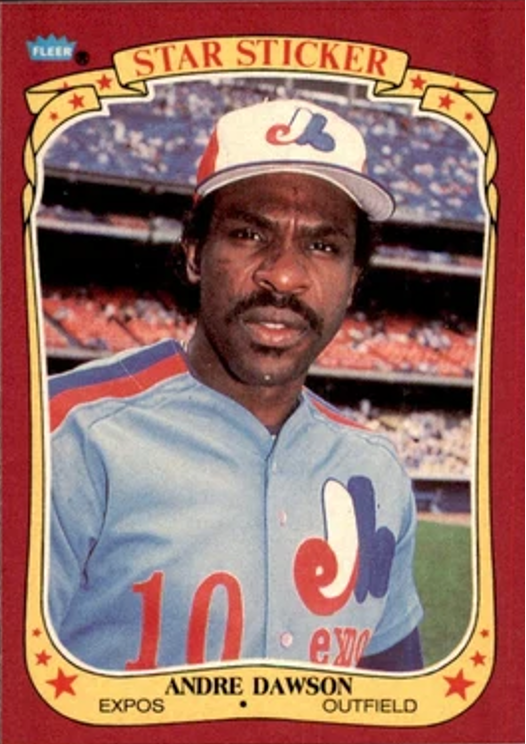
9. Nicknames can form the basis for a collection. If a player’s nickname is used on the card it would qualify. You know, like Choo Choo Coleman, Pumpsie Green, Whitey Ford, or Oil Can Boyd.
— 10 —
— 11 —
— 12 —
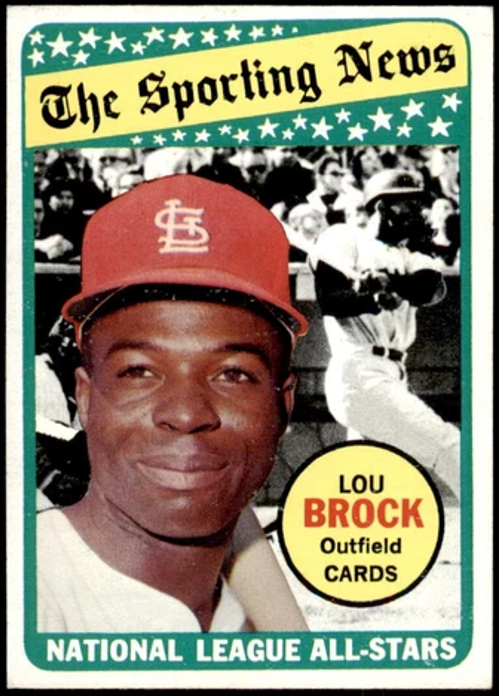
10. Again, using the baseball encyclopedia, collect cards of only those players who have appeared in at least one All-Star or World Series game.
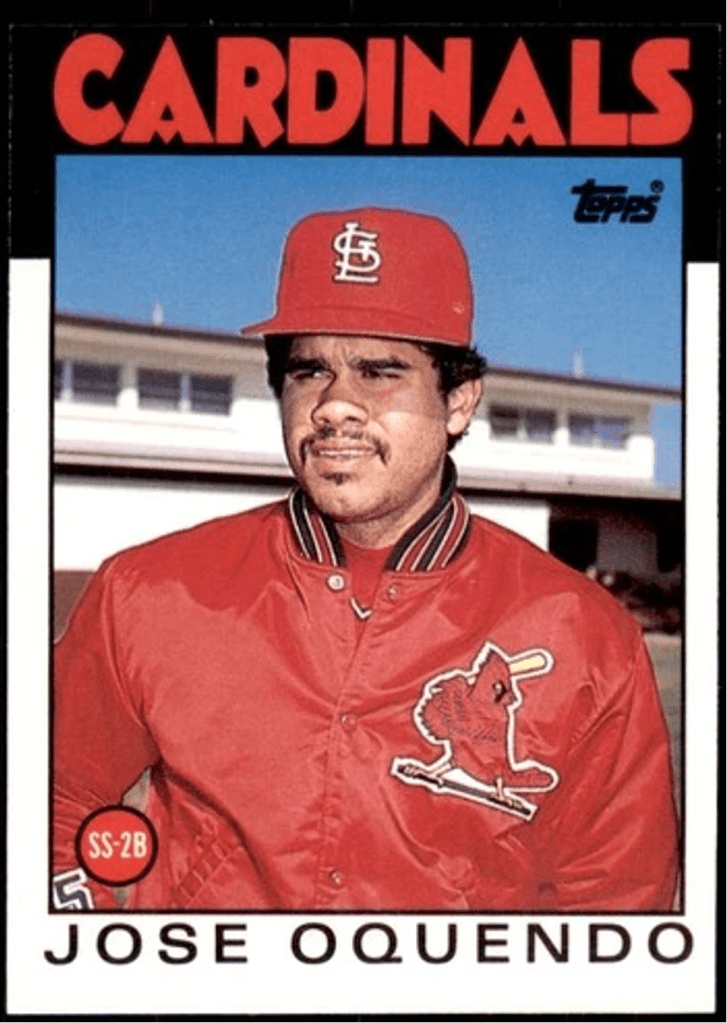
11. So you like shortstops? Just collect shortstops – or whatever position you like. Utilitymen would make for an interesting collection. Or you could collect guys who played at least five positions. Pete Rose, Jose Oquendo, Bert Campaneris and Cesar Tovar come to mind.
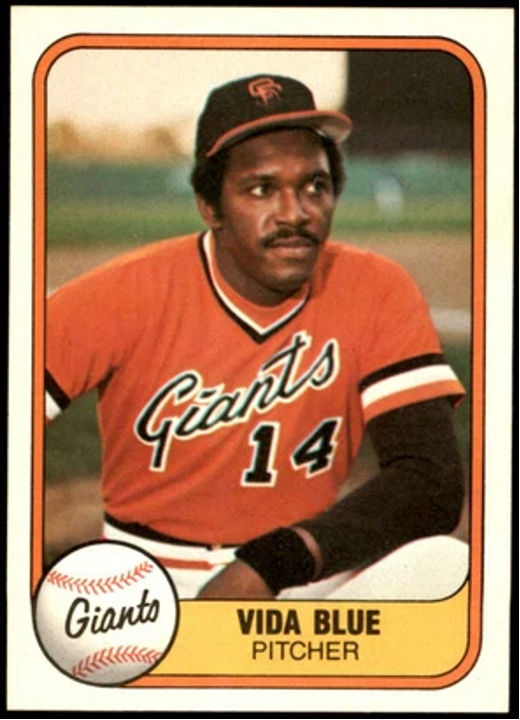
12. Assemble your cards in categories based on something unusual about the player’s name. For instance, start an animal collection: Rob Deer, Ray Katt, Nellie Fox, etc. Or a rainbow collection: Dick Green, Bud Black, Vida Blue, etc. Or an anatomy collection: Roy Face, Bill Hands, Rollie Fingers, etc. Or a financial portfolio: Barry Bonds, Wes Stock, Norm Cash, etc.
— 13 —
— 14 —
— 15 —
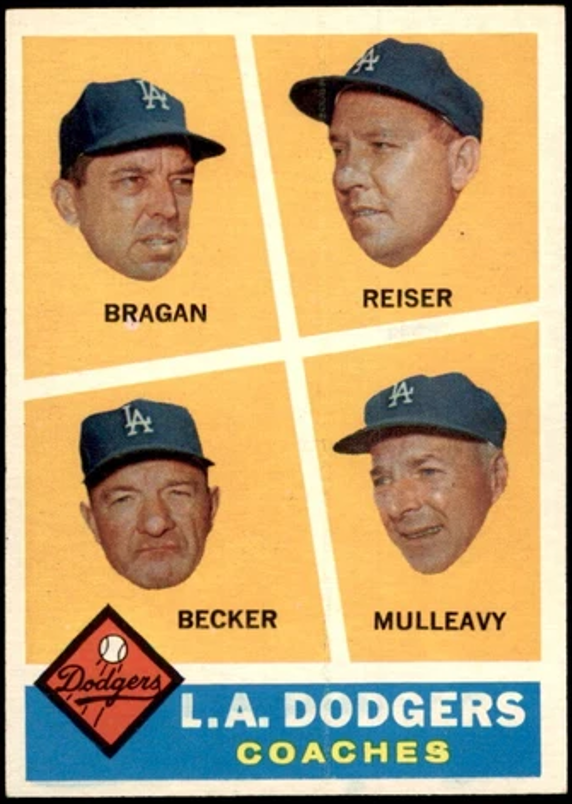
13. Non-players could be the focus of your collection. This would include manager and/or coaches cards, umpires, league presidents, The San Diego Chicken, and Diamond Kings artist Dick Perez (1983 Donruss checklist card).
14. Try collecting by statistical category. Here the ideas can be limitless. Some examples: a collection based on 300 or more home runs; 200 wins; 2,000 strikeouts; 1,000 RBIs; 2,000 hits.
Another idea would be to collect cards of those who led in a certain statistical category at least one year. It could be something obvious like doubles or triples, or something ridiculous like hit-by-pitches or wild pitches.
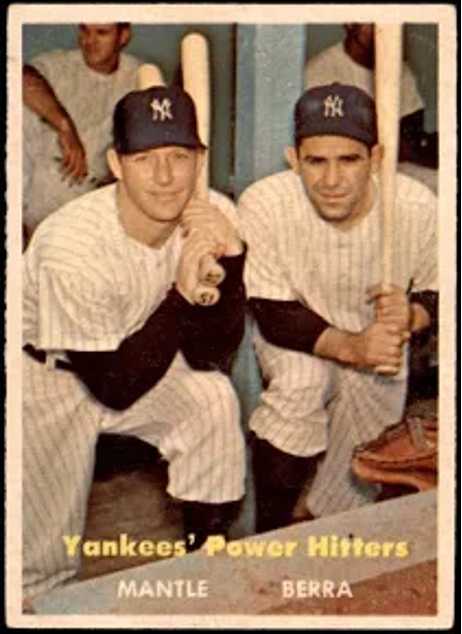
15. There are hundreds of multi-player cards to specialize in. These would include cards like “Pride of the N.L.” (1963 Topps #138) with Willie Mays and Stan Musial, “Yankees Power Hitters” (1957 Topps #407) with Mickey Mantle and Yogi Berra, and more recently “Slugging Sophomores” (1988 Fleer #622) with Wally Joyner and Cory Snyder.
In addition, there are multiple-player rookie cards, league leader cards, team cards, father/son cards and other specials.
The possibilities are endless.
• • • • • •
• Originally Published in Dec. 1988 “Baseball Hobby News” •
THIS ARTICLE FROM “BASEBALL HOBBY NEWS” MAGAZINE IS REPRINTED WITH THE PERMISSION OF BOTH THE EDITOR/PUBLISHER AND THE AUTHOR. IT HAS BEEN RETYPED, BUT NO CONTENT HAS BEEN CHANGED (EXCEPT FOR VERY MINOR ADJUSTMENTS, CORRECTIONS TO TYPOGRAPHICAL ERRORS AND CHANGES TO GRAPHICS). COMMENTS OR INFORMATION IN THE ARTICLE MAY BE OUT-OF-DATE.
 BaseballCardFun.com