



BY MARK A. LARSON
The number 13. For most people, visions of the unlucky – or even doom – immediately come to mind. You know, Friday the 13th, and so on. Some people tend to be very superstitious, including some sports memorabilia collectors and ballplayers.
For three and a half decades now, someone in Topps’ annual baseball card set has had to appear on card No. 13. Has this “curse” been unlucky, a blessing in disguise or indifferent for the 34 men and one whole team that have occupied card No. 13 between 1952-86?
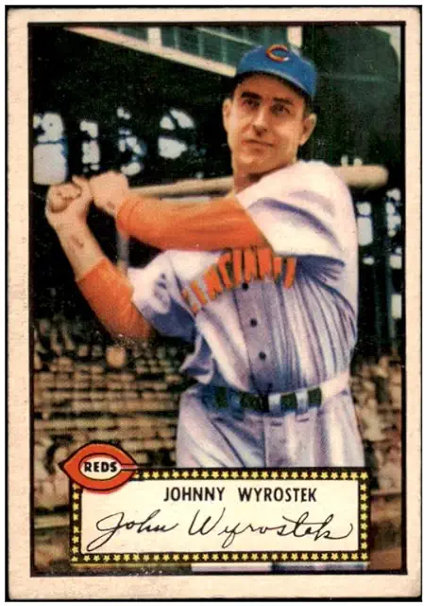
Cincinnati Reds outfielder Johnny Wyrostek was the first player to appear on card No. 13 in a major Topps set back in 1952. Johnny hit a career-high .311 in 1951, but fell to .265 in ’52. On the surface at least, Wyrostek seemed to have been jinxed, but he was 33 years old and near the end of his playing days.
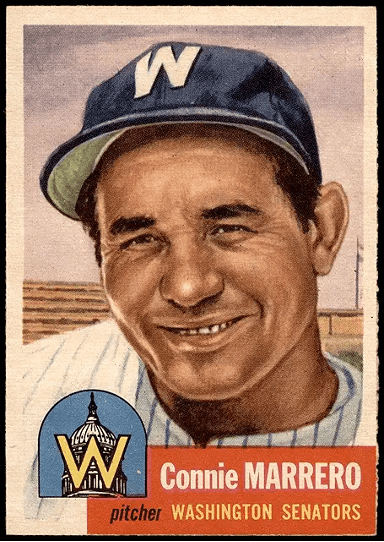
Cuban-born pitcher Connie Marrero was stuck with card No. 13 in 1953. His five-year career in the majors was over by 1955. Yet, he was approaching social security too – being 36 in 1953.
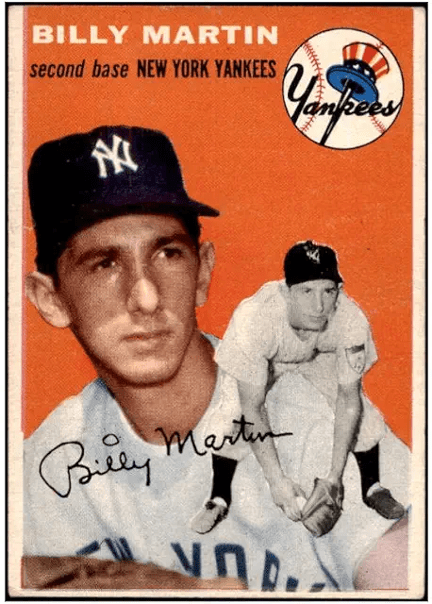

Topps No. 13 in 1954 may have been the company’s best choice of all. It was Billy “George, Please Let Me Manage Again” Martin. Billy’s presence has always been a jinx to someone (usually the opposing team or a bar patron), or even himself.
The 1955 set’s No. 13 was Fred Marsh, a weak-hitting infielder who lasted seven years with the Indians, Browns, Senators, White Sox and Orioles (formerly the Browns). He hit just .218 in 1955 and .125 in 1956 and it was on to oblivion. Jinxed, or just lousy?
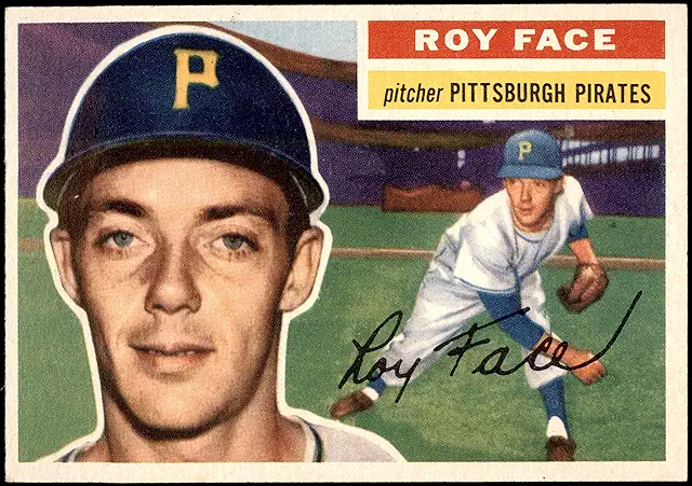
Roy Face was Topps card No. 13 in 1956. For him it turned out to be a good omen, as he blossomed into the top relief pitcher in the National League in the late 1950s and early 1960s.
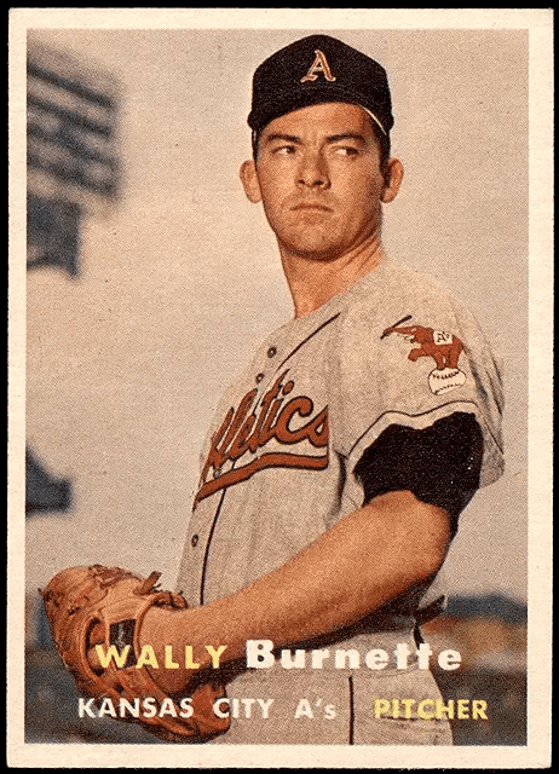
Wally Burnette, 1957 Topps No. 13, was a different story. His short-lived pitching career covered just three seasons and was over within a year of his No. 13 appearance. His career stats? … 14 wins, 21 losses, and a 3.56 ERA. What a shame. It was his rookie card, too.
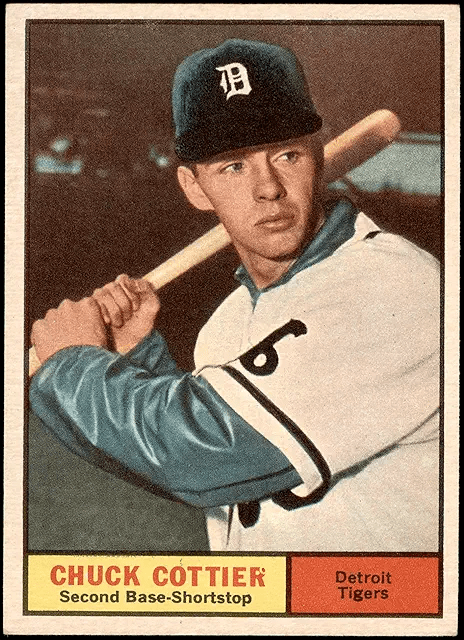
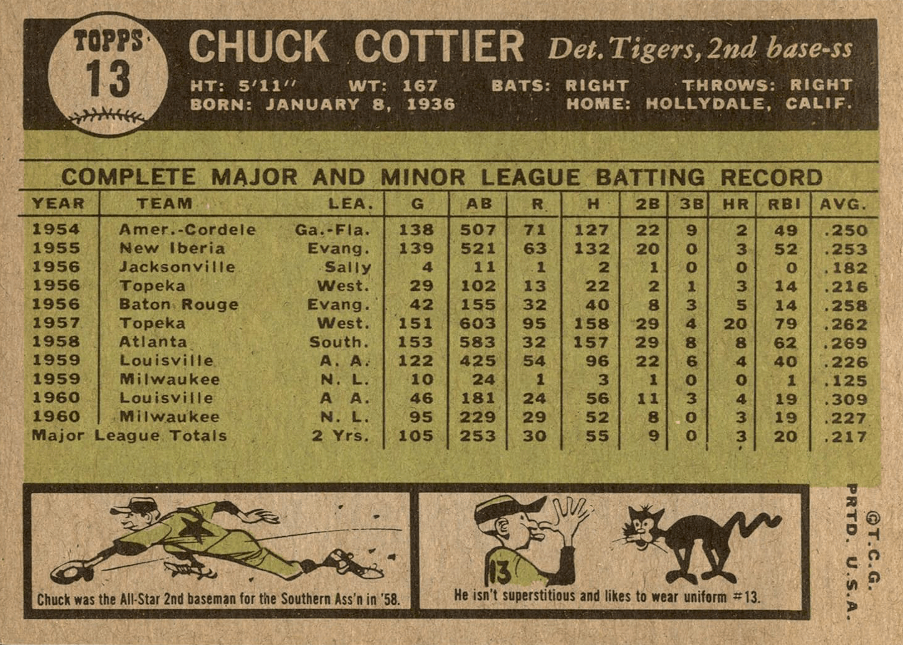
– 1961 No. 13 – FRONT & BACK –
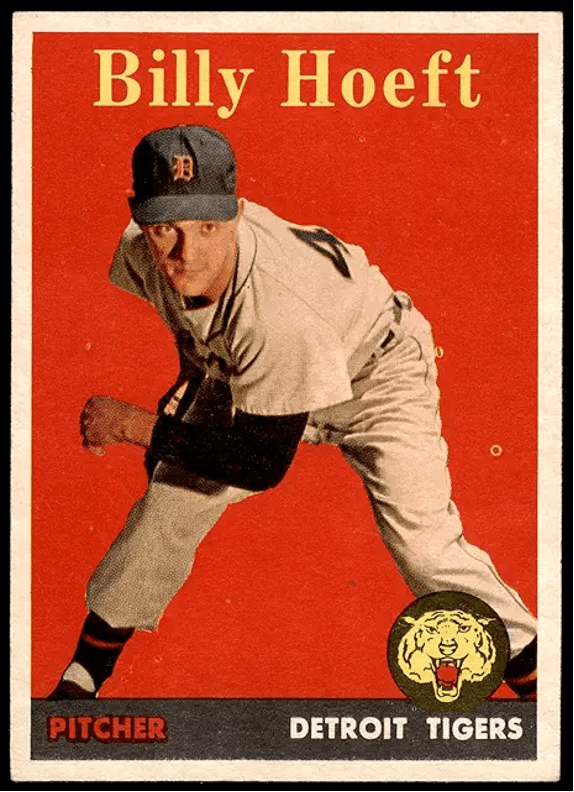
By the time Billy Hoeft appeared on the 1958 Topps No. 13, his best years were already behind him. He was a 20-game winner in 1956, but from the time he graced card No. 13, his career definitely took a turn downhill.
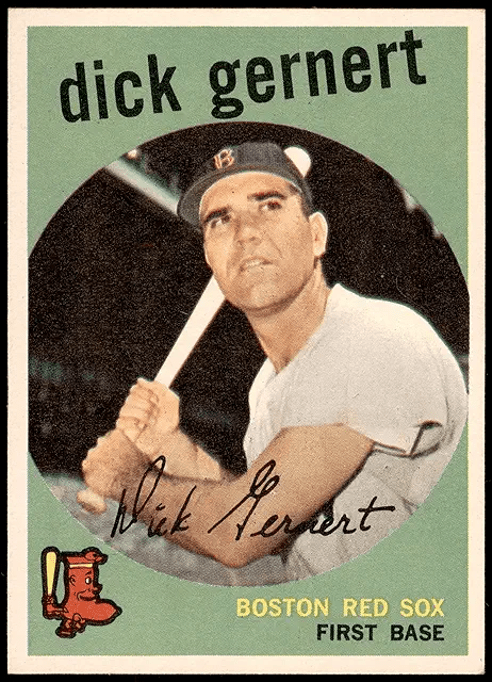
Between the time Dick Gernert appeared on his 1959 card (No. 13, of course) and the end of his career with the expansion Houston Colt .45s in 1962, he played for five different teams. If changing uniforms frequently is considered unlucky, Dick was haunted by No. 13.
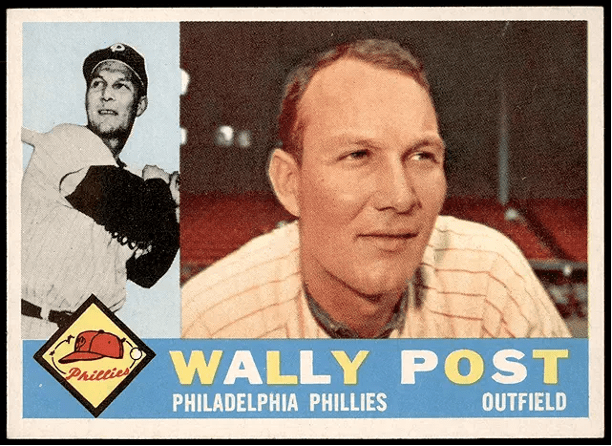
In 1960, Topps bestowed card No. 13 on Wally Post, who had already had a fine career.
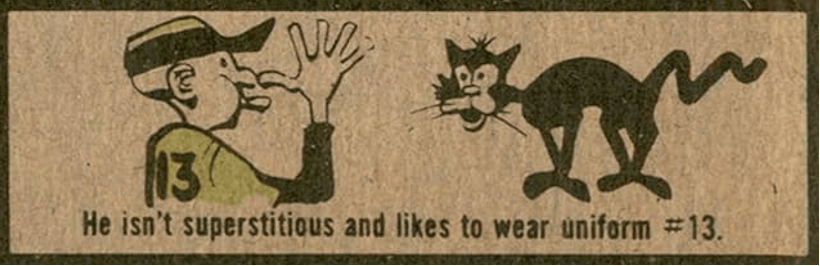
Then Topps got cute in 1961. On the back of Chuck Cottier’s card, the cartoon showed him giving the razzberry to a black cat with the caption: “He isn’t superstitious and likes to wear uniform No. 13.” So what did Topps do? They gave him card No. 13!
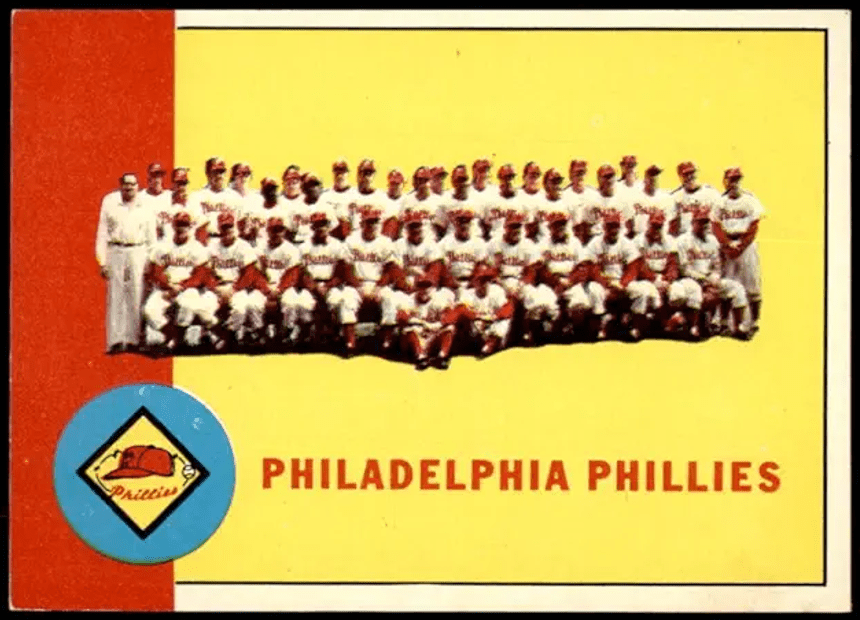
Dick Howser was Topps choice for card No. 13 in 1962 and was a solid infielder who has become a respected manager. The next year, the entire Phillies team was shown on card No. 13. Could their pennant collapse in 1964 – a year later – have been related to this appearance? Don’t ask manager Gene Mauch, if you value your life.
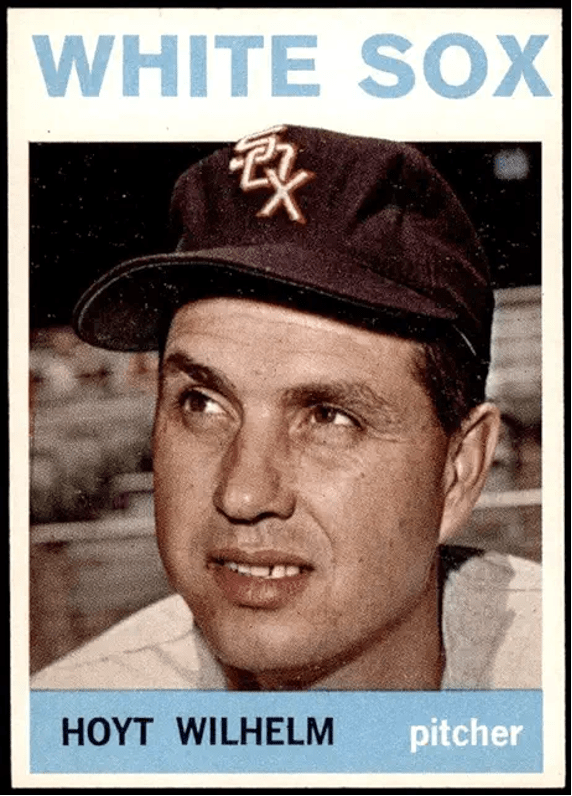
Hoyt Wilhelm is the only Hall-of-Famer to make it onto card No. 13. This happened in 1964 and it was good luck for Hoyt. Between 1964-68, he enjoyed his best years, always having an ERA under 2.00.


The 1965 Topps set featured pitcher Pedro Ramos on card No. 13. Poor Pedro was pretty much washed up by then anyhow, so the unlucky number probably had little additional effect.
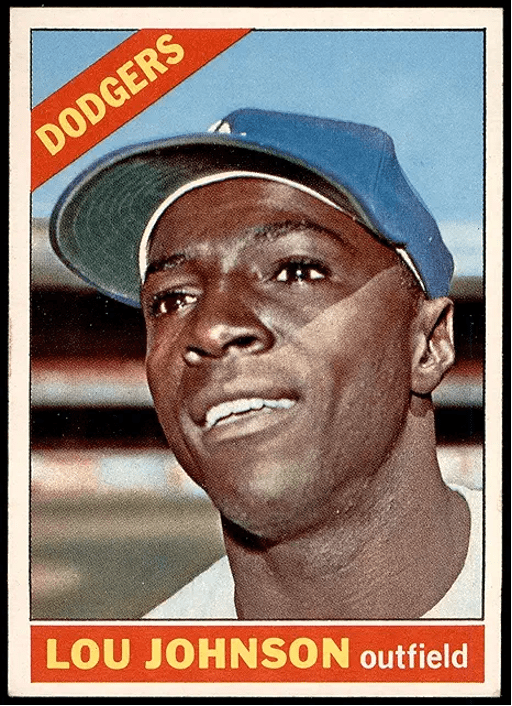
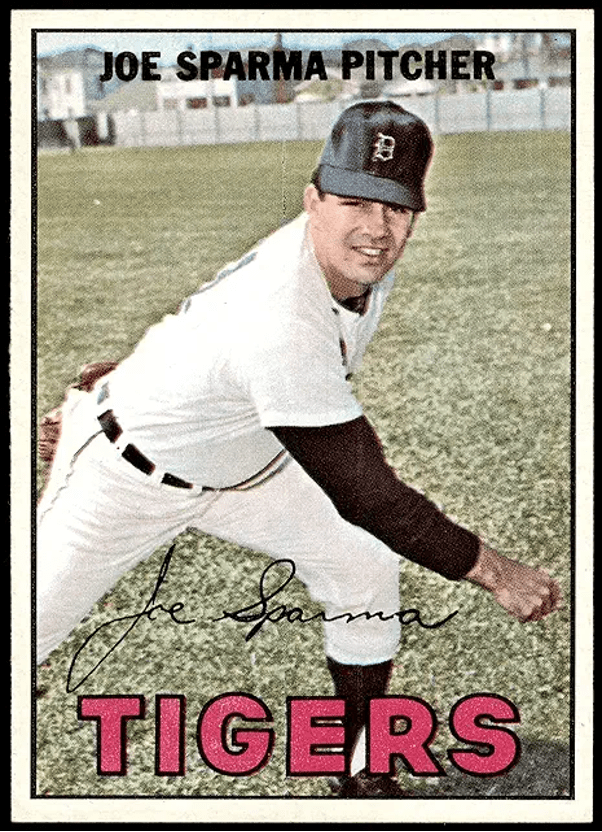
Outfielder Lou Johnson and pitcher Joe Sparma occupied card No. 13 in 1966 and 1967 respectively. They both had the best seasons of their careers in the years they were No. 13.
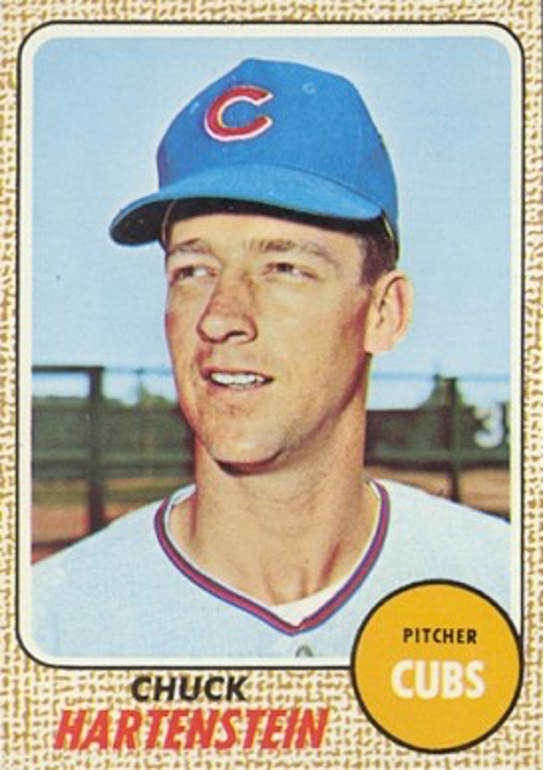
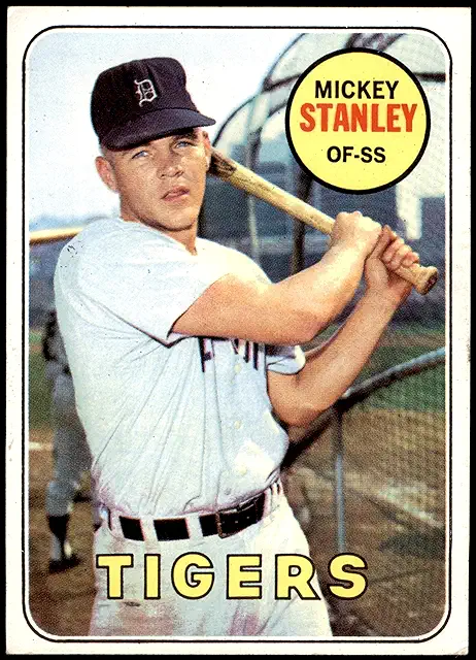
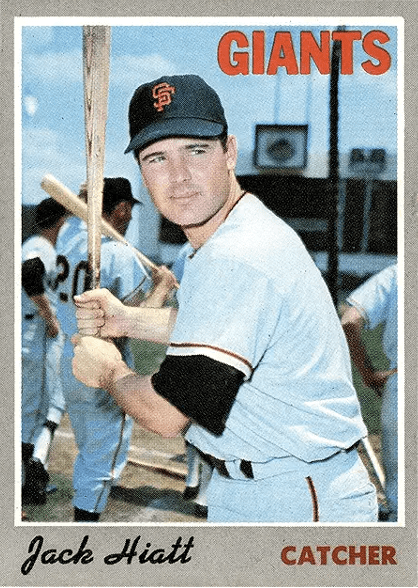
Pitcher Chuck Hartenstein in 1968 (his rookie card), outfielder-shortstop Mickey Stanley in 1969 and catcher Jack Hiatt in 1970 all were No. 13. Their careers ranged from mediocre to average, with no apparent hindrance from unlucky 13.
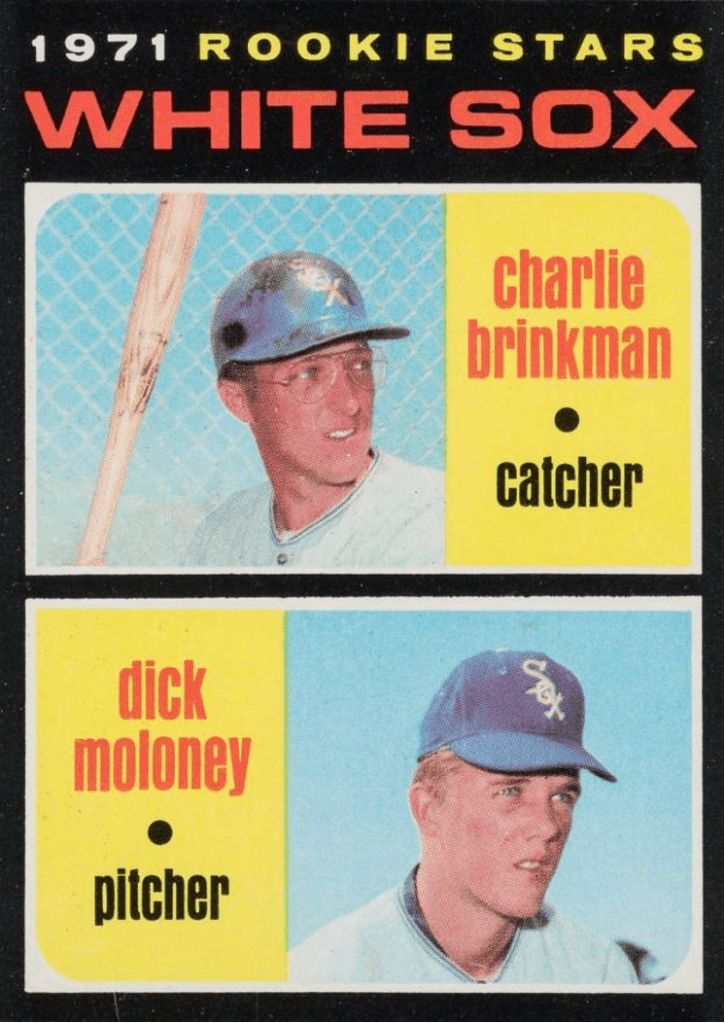
In 1971, two players appeared on card No. 13 “White Sox Rookies” … catcher Charlie Brinkman and pitcher Dick Moloney. Brinkman, younger brother of shortstop Eddie, had a lifetime batting average of .172, with one homer. Not much luck there.
Card No. 13 was also unlucky for Moloney. His only big league appearance was in one game for the White Sox the year before. He pitched one inning, gave up two hits and struck out one. By 1971 it was all over.

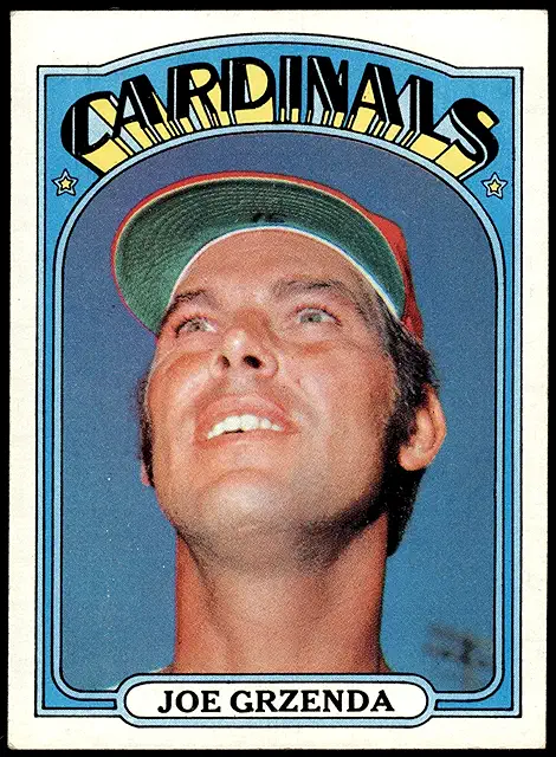
Topps 1972 No. 13 was also unlucky. It was the end of the road for pitcher Joe Grzenda. And a long road it was.
Beginning in 1955, Grzenda pitched for Jamestown, Valdosta, Durham, Birmingham, Charleston, Victoria, Birmingham again, Detroit, Birmingham again, Denver, Syracuse, Oklahoma City, Denver again, Birmingham yet again, Kansas City, Vancouver, Oklahoma City again, Mobile, Kansas City again, Birmingham for the fifth time, the Mets, Denver again, Minnesota, Washington and St. Louis.
On the other hand, maybe Joe was lucky his career finally was over.

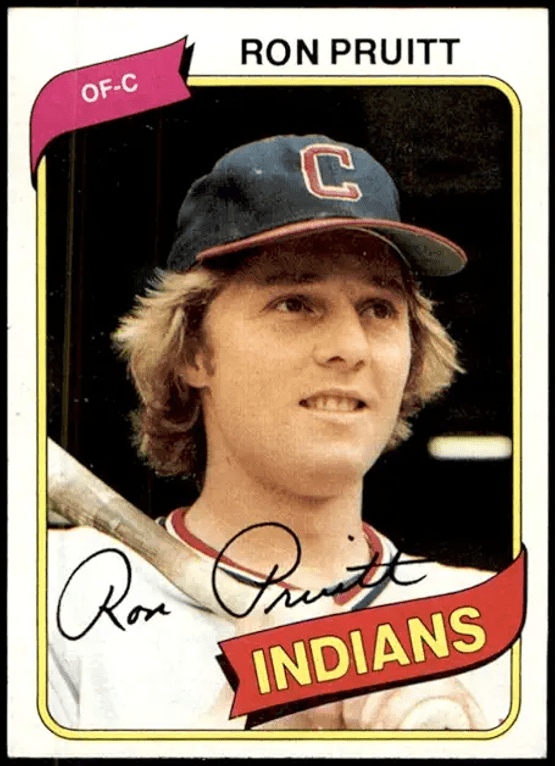
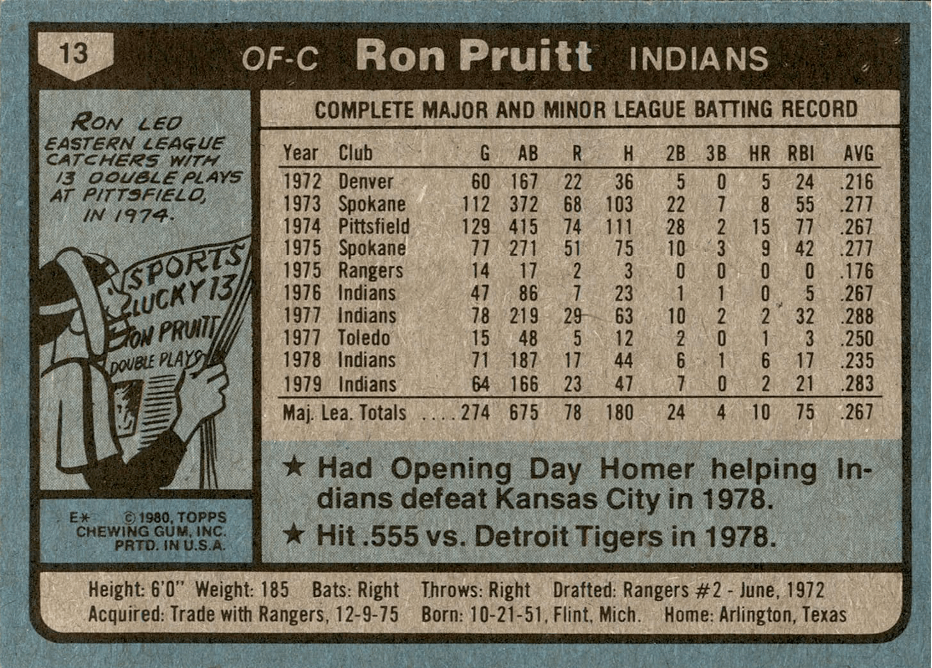
– 1980 No. 13 – FRONT & BACK –
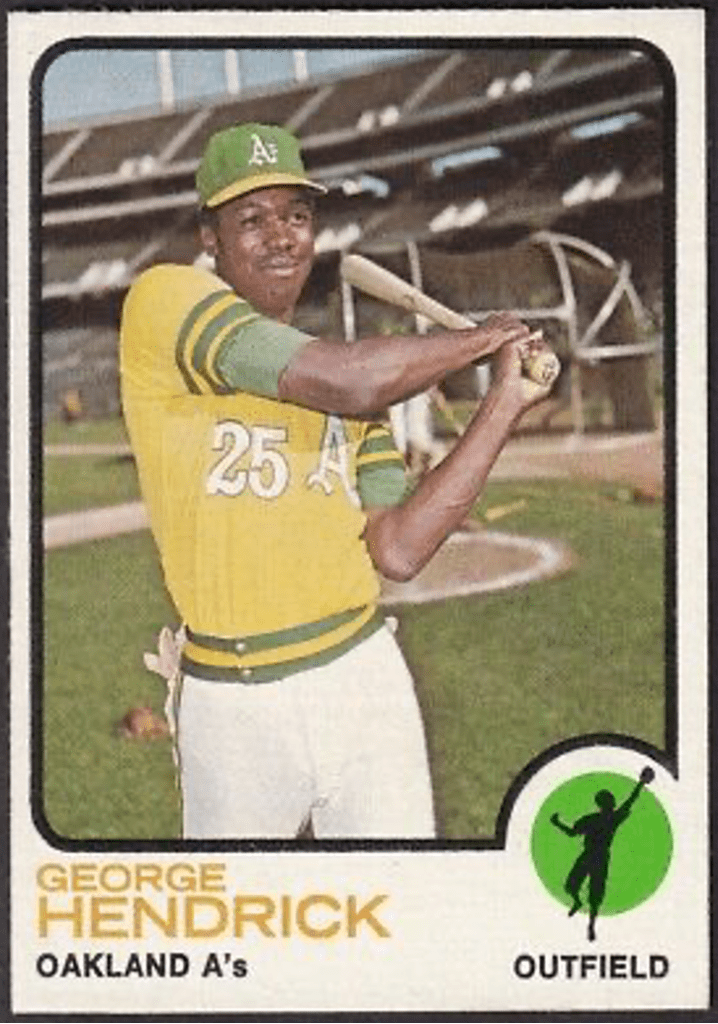
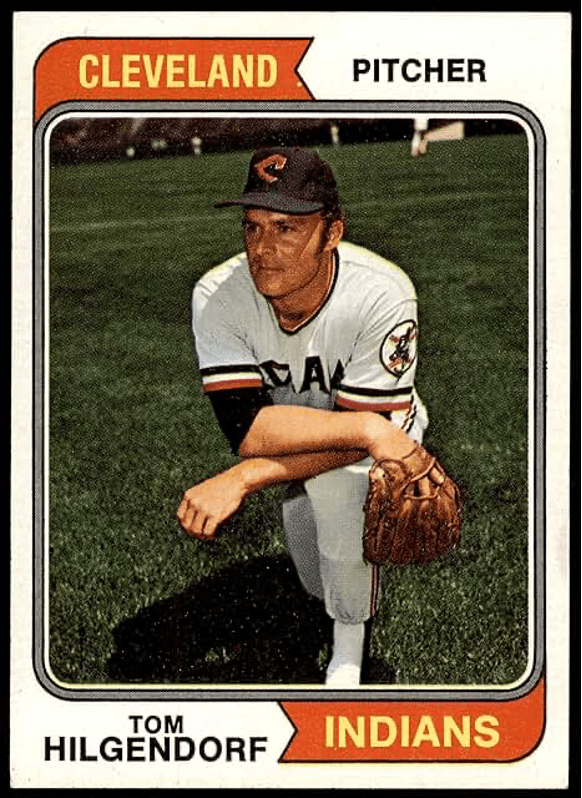
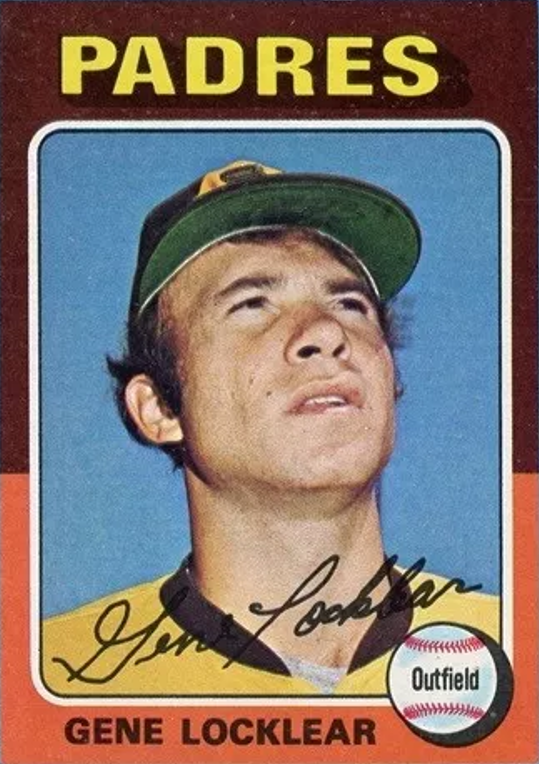
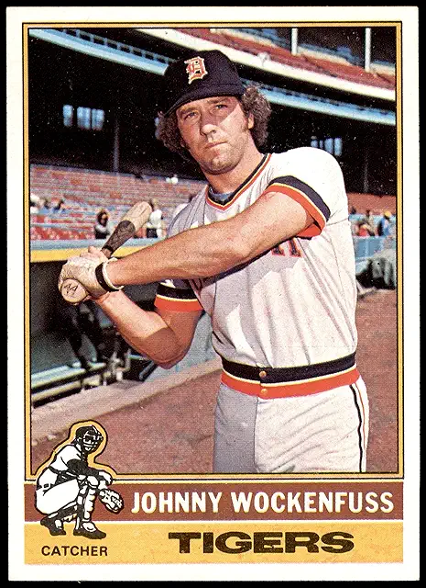
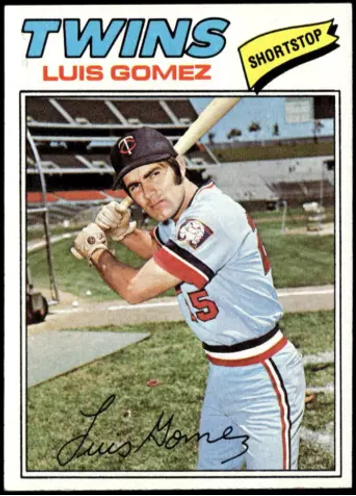
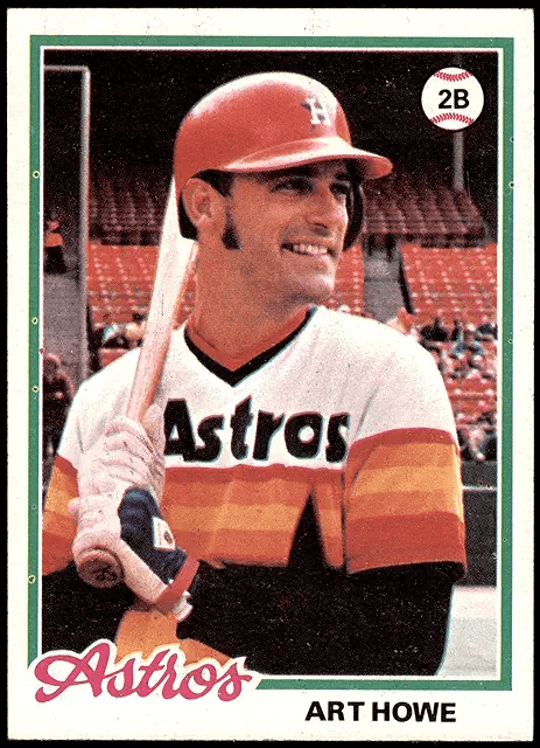
Between 1973-79, outfielder George Hendrick, pitcher Tom Hilgendorf, outfielder Gene Locklear (rookie card), catcher-first baseman John Wockenfuss (rookie), shortstop Luis Gomez (rookie), infielder Art Howe (rookie), and outfielder-third baseman Paul Dade were all assigned to card No. 13 with varying degrees of success.
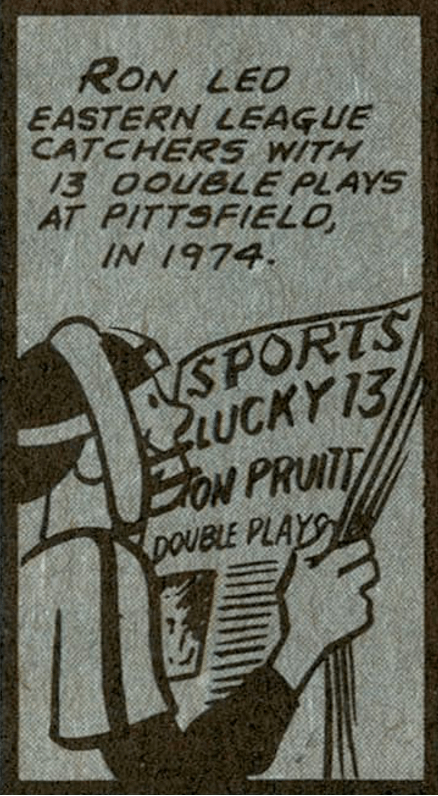
In 1980, Indians catcher-outfielder Ron Pruitt made his appearance on Topps card No. 13. The interesting thing about Pruitt’s card is, like Chuck Cottier’s in 1961, the cartoon. It says: “Ron led Eastern League catchers with 13 double plays at Pittsfield in 1974.” The cartoon shows Ron in catcher’s mask reading a newspaper with the headline “Lucky 13, Ron Pruitt.”
We’ll skip the 1981 Topps No. 13 for now, and return to it later.
First baseman Lamar Johnson, outfielder Larry Herndon, pitcher Scott Holman, pitcher Tim Lollar and catcher Bob Kearney were assigned No. 13 between 1982-86. This group was a mixed bag of both good and bad luck.
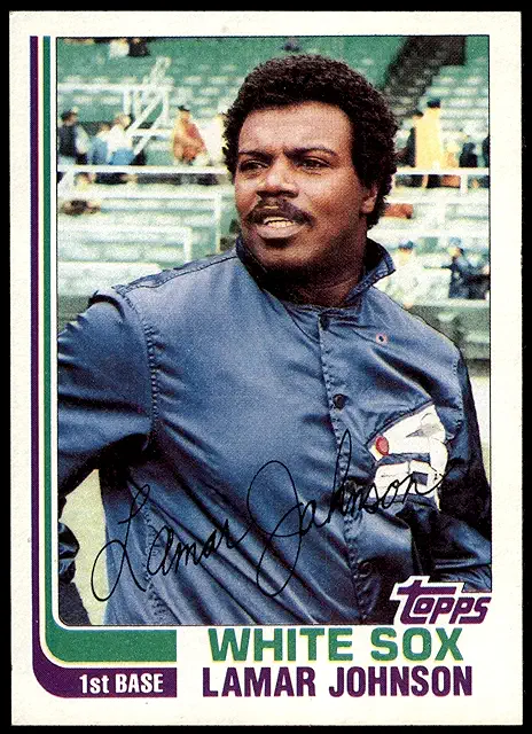
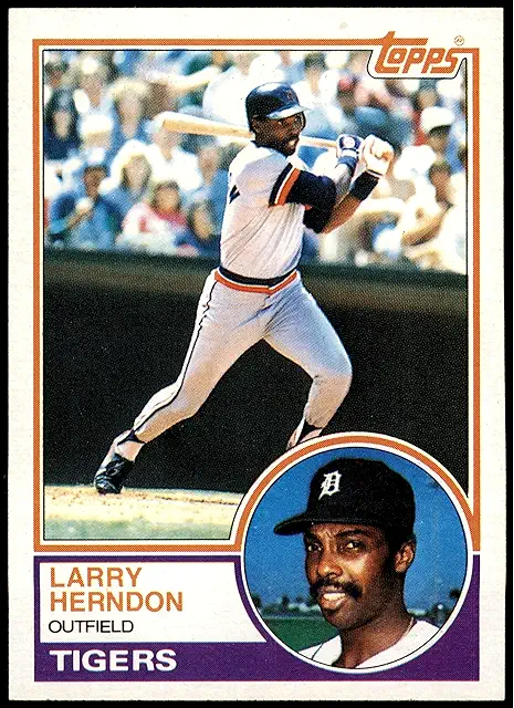
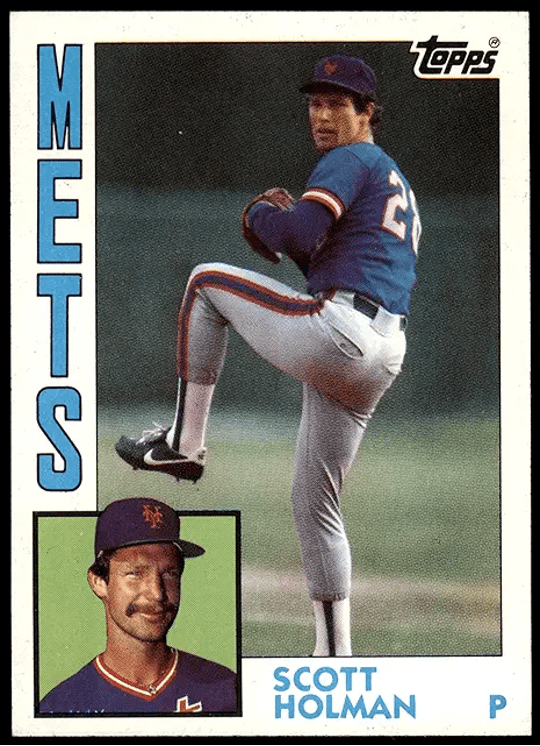
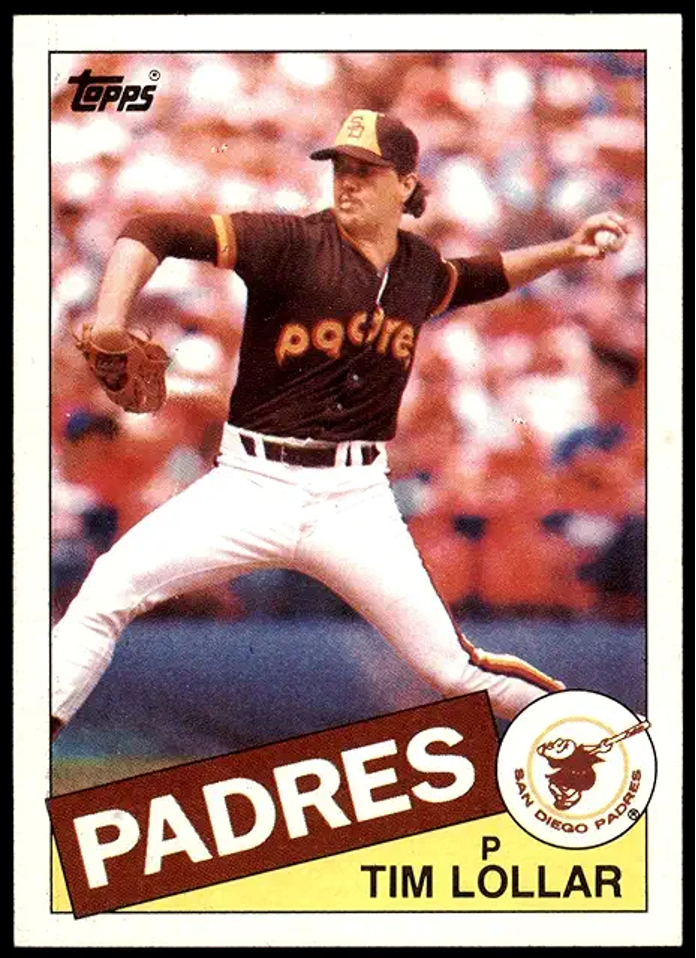
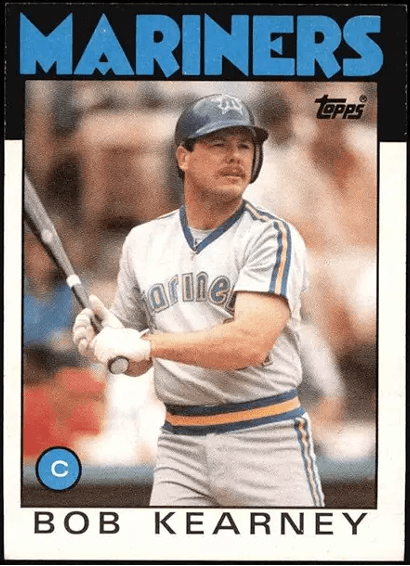

On the one hand, Larry Herndon (No. 13 in 1983) enjoyed the best season of his career that year. Meanwhile, Scott Holman’s (1984 No. 13) major league career was already over. The rest fell somewhere in between.
This year, Nick Esasky has been assigned the No. 13 slot by Topps. We’ll have to wait to see what the 1987 season has in store for him.
Now back to 1981.
The 1981 Topps No. 13 was none other than Joe Charboneau’s rookie card. Charboneau, the Indians’ outfielder-DH, had an excellent rookie campaign in 1980. He hit 23 homers, drove in 87 runs and batted .289.
However, in his sophomore year – the year he appeared on card No. 13 – he was one of the biggest flops in recent memory. In 1981, Charboneau hit four home runs, had just 18 RBIs and hit a pathetic .210.
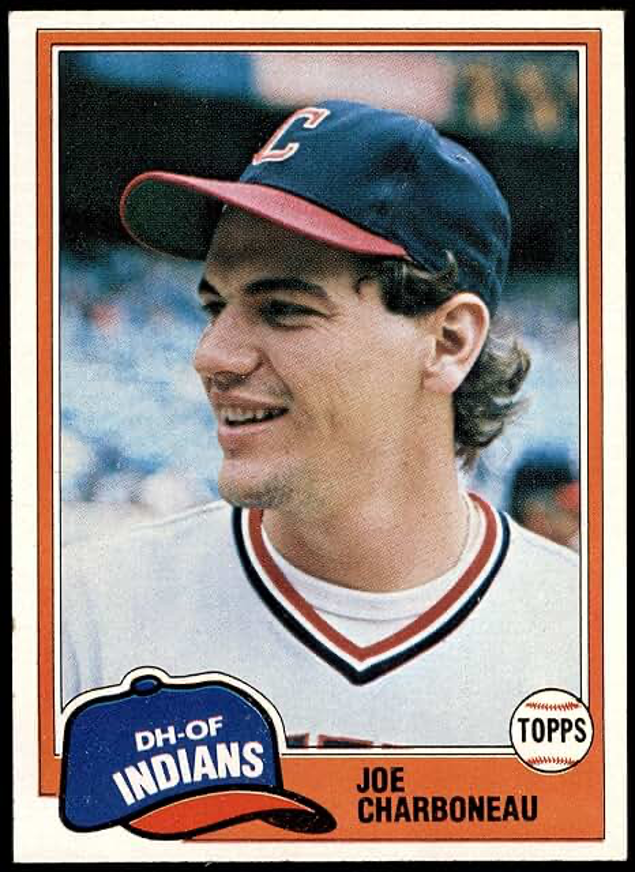
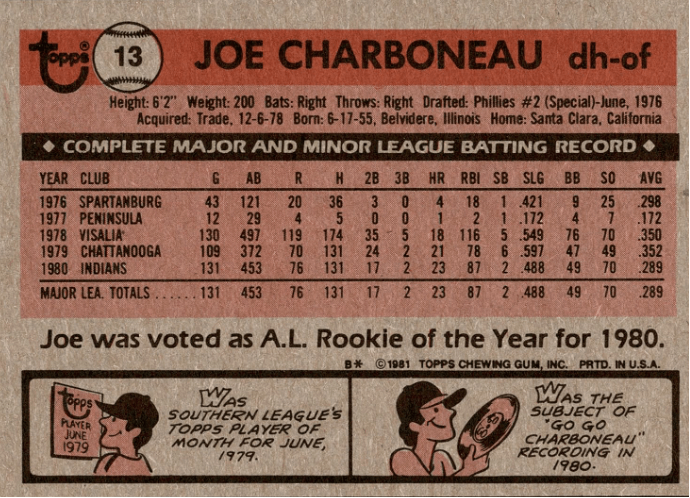
– 1981 No. 13 – FRONT & BACK –
On the back of Charboneau’s 1981 Topps card, the cartoon states that Joe “was the subject of ‘Go Go Charboneau’ recording in 1980.” Well, not only did Joe “Go Go,” he went went down down real real fast fast.
Eventually, he slid all the way back to Class A ball and ended up as an extra in Robert Redford’s film, “The Natural.” For rookie card hoarders, Joe Charboneau was one of the biggest disappointments of all time. This once future superstar’s 1981 Topps card now lists for about 12 cents.
For Joe Charboneau, at least, appearing on Topps card No. 13 proved to be about as unlucky as one could possibly imagine.
Most of the others who appeared on card No. 13 over the past 35 years, never amounted to much and probably wouldn’t have – regardless of whether card No. 13 put a hex on them. Others such as Billy Martin, Roy Face, Dick Howser, George Hendrick and Hoyt Wilhelm went on to have excellent careers. So the debate will still go on … does appearing on Topps baseball card No. 13 spell instant doom? At least for Chuck Cottier in 1961, it probably made his day.
• Originally Published in May 1987 “Baseball Hobby News” •
THIS ARTICLE FROM “BASEBALL HOBBY NEWS” MAGAZINE IS REPRINTED WITH THE PERMISSION OF BOTH THE EDITOR/PUBLISHER AND THE AUTHOR. IT HAS BEEN RETYPED, BUT NO CONTENT HAS BEEN CHANGED (EXCEPT FOR VERY MINOR ADJUSTMENTS, CORRECTIONS TO TYPOGRAPHICAL ERRORS AND CHANGES TO GRAPHICS). COMMENTS OR INFORMATION IN THE ARTICLE MAY BE OUT-OF-DATE.
To keep up-to-date on additions to BaseballCardFun.com, subscribe below*
* Your email address will never be shared and is only used to announce new articles
 BaseballCardFun.com